


Best Vibe Coding Books for Engineers and Senior Developers
Most "best vibe coding books" lists are written for people who have never opened a terminal. That's a problem if you're an engineer: you don't need someone to explain what a variable is, you need a book that treats AI-assisted development as a serious change to how production software gets built, with the same rigor you'd expect from any engineering book. The five below are the ones actually worth an experienced developer's time, in the order I'd read them.
I'm Mahmoud Zalt, an AI systems architect running Sistava, where autonomous agents do real business work in production, not demos. I read this category the way I'd evaluate any tool going into a production system: what does it actually get right, and where does it fall short.
1. Vibe Coding with Confidence
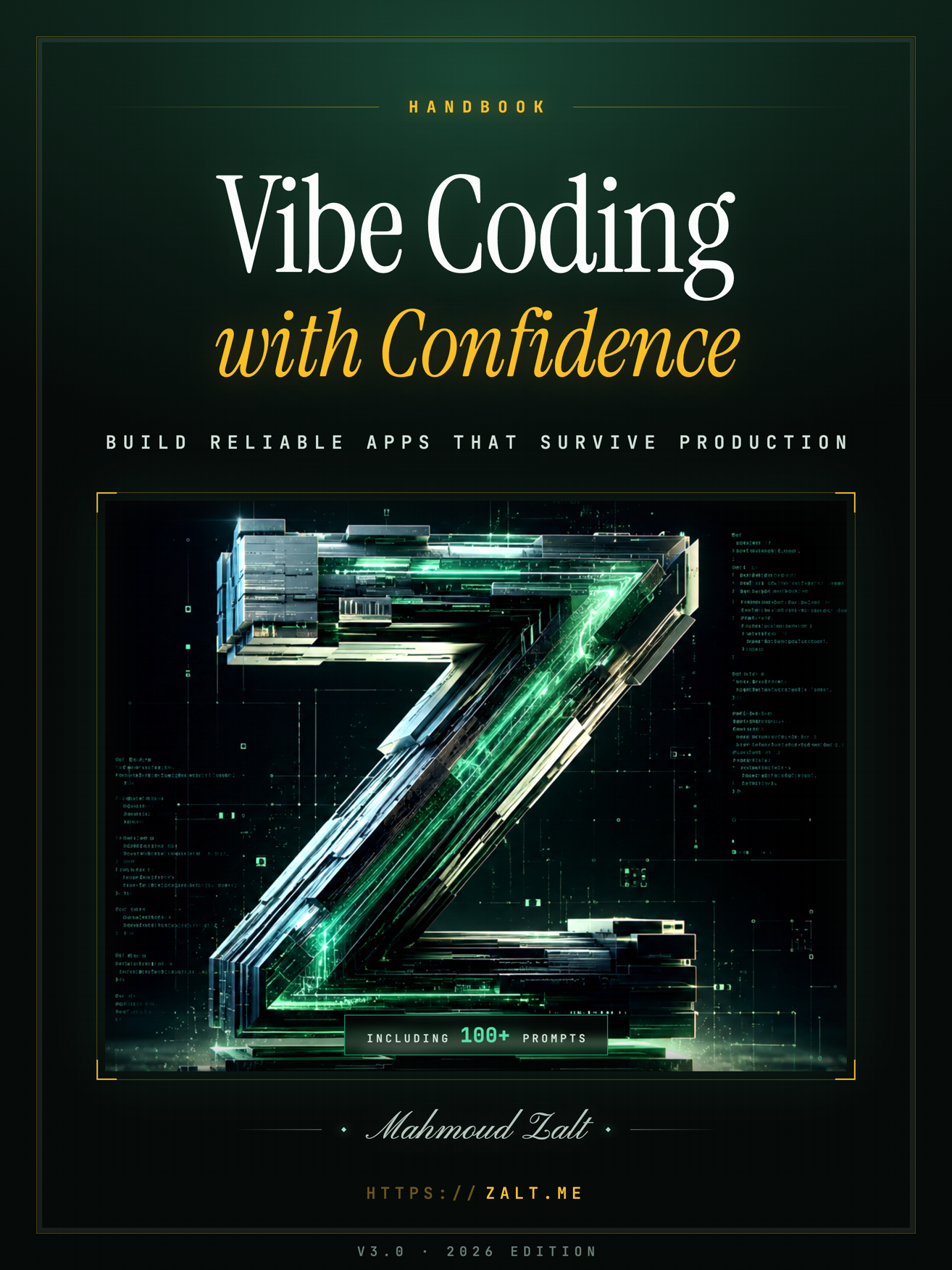
This is my own book, so judge the recommendation accordingly, but here's the actual case for an engineer's shelf: it's free, it's continuously updated rather than frozen at publication date, and it runs 142+ chapters across the entire build lifecycle, planning, requirements, architecture, building, hardening, and shipping, not just the prompt-and-pray part everyone else writes about. It's also the only book in this category with copyable prompts built directly into the chapters, so you can lift the exact prompt structure into your own workflow instead of reverse-engineering intent from prose. I have no review counts or star ratings to point to yet since it's still building that track record, and I'd rather say that plainly than pretend otherwise.
2. Vibe Coding: Building Production-Grade Software With GenAI, Chat, Agents, and Beyond
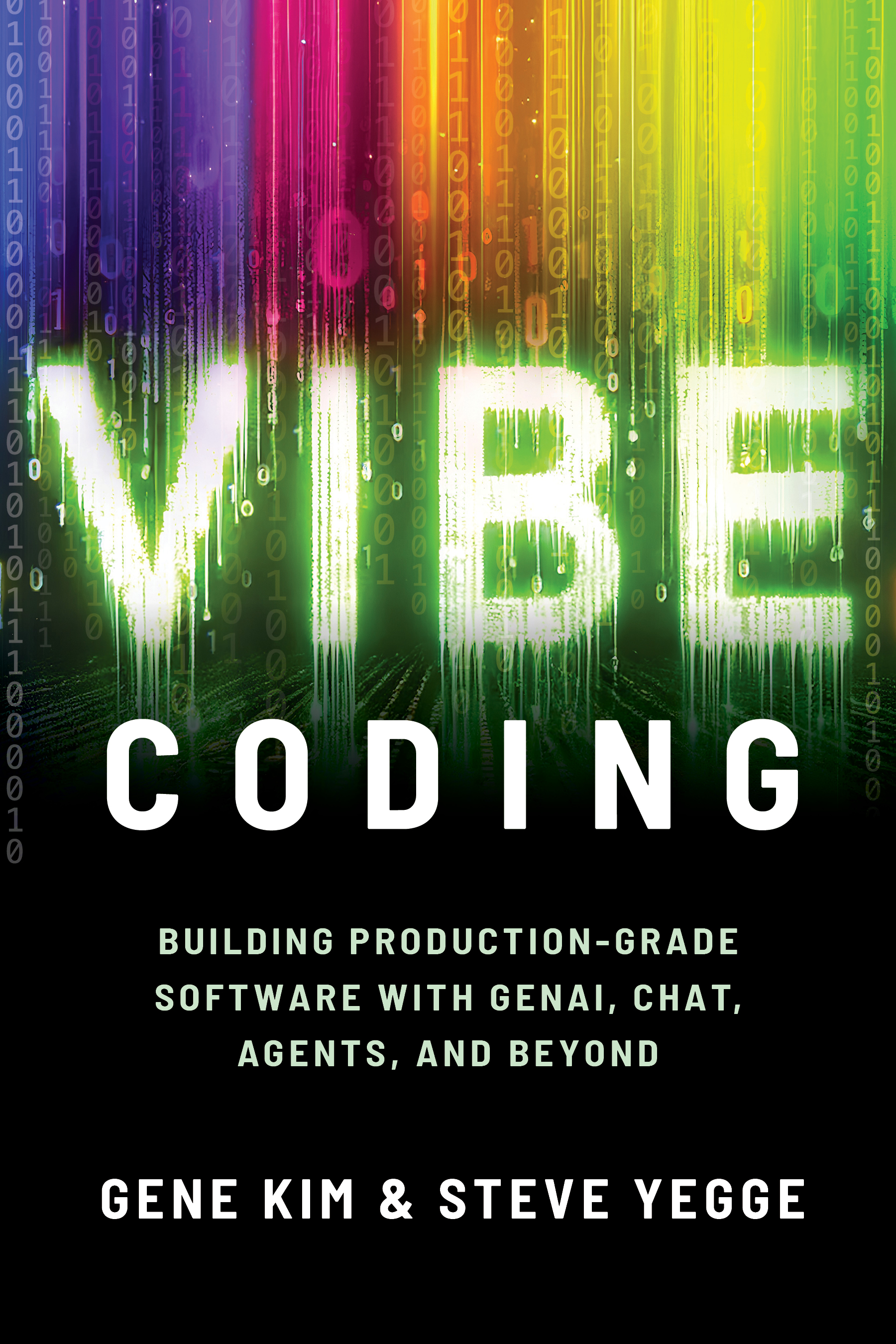
For engineers who want a traditionally published, thoroughly vetted reference, this is the one with the credentials. Gene Kim and Steve Yegge wrote it with contributions from Dario Amodei, IT Revolution and Simon & Schuster published it, it carries 400+ Goodreads ratings, and it picked up a 2026 Axiom Gold award. Of everything in this category, it's the most independently reviewed and the easiest to defend recommending to a skeptical team lead. I've written a full review and a breakdown of what's actually inside it if you want more detail before buying.
3. Beyond Vibe Coding: From Coder to AI-Era Developer
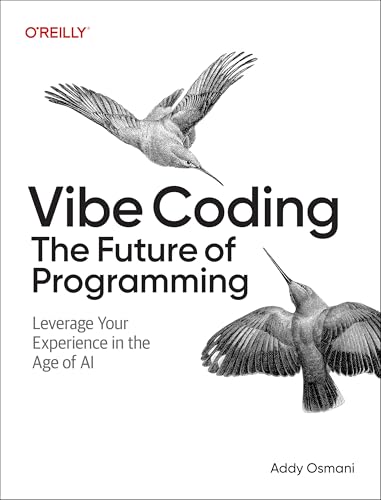
Addy Osmani leads engineering on Google Chrome, and it shows: Beyond Vibe Coding is explicitly written for developers who already have a practice and need to adapt it, not people starting from zero. Published by O'Reilly, which by itself signals a different editorial bar than most of this category. If you're the kind of engineer who wants the argument for why your existing habits need to change, rather than a tutorial on the basics, this is the closest fit here. My full review covers where it lands versus the Kim/Yegge book.
4. Vibe Engineering
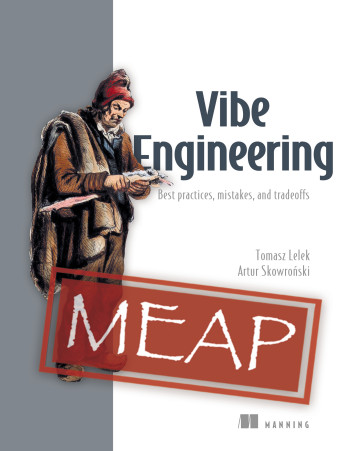
This is the one for teams, specifically. Tomasz Lelek and Artur Skowronski are writing Vibe Engineering through Manning's Early Access Program, meaning it's still being written chapter by chapter rather than finished and frozen, worth knowing before you buy in. The pitch is a provider-agnostic framework for keeping AI-assisted changes small and reviewable, which is precisely the problem senior engineers run into once a team, not just an individual, starts leaning on AI for production code. If your worry about vibe coding is code review discipline breaking down at scale, this is the most directly relevant title on the list.
5. Vibe Coding with Cursor, Windsurf, and Lovable
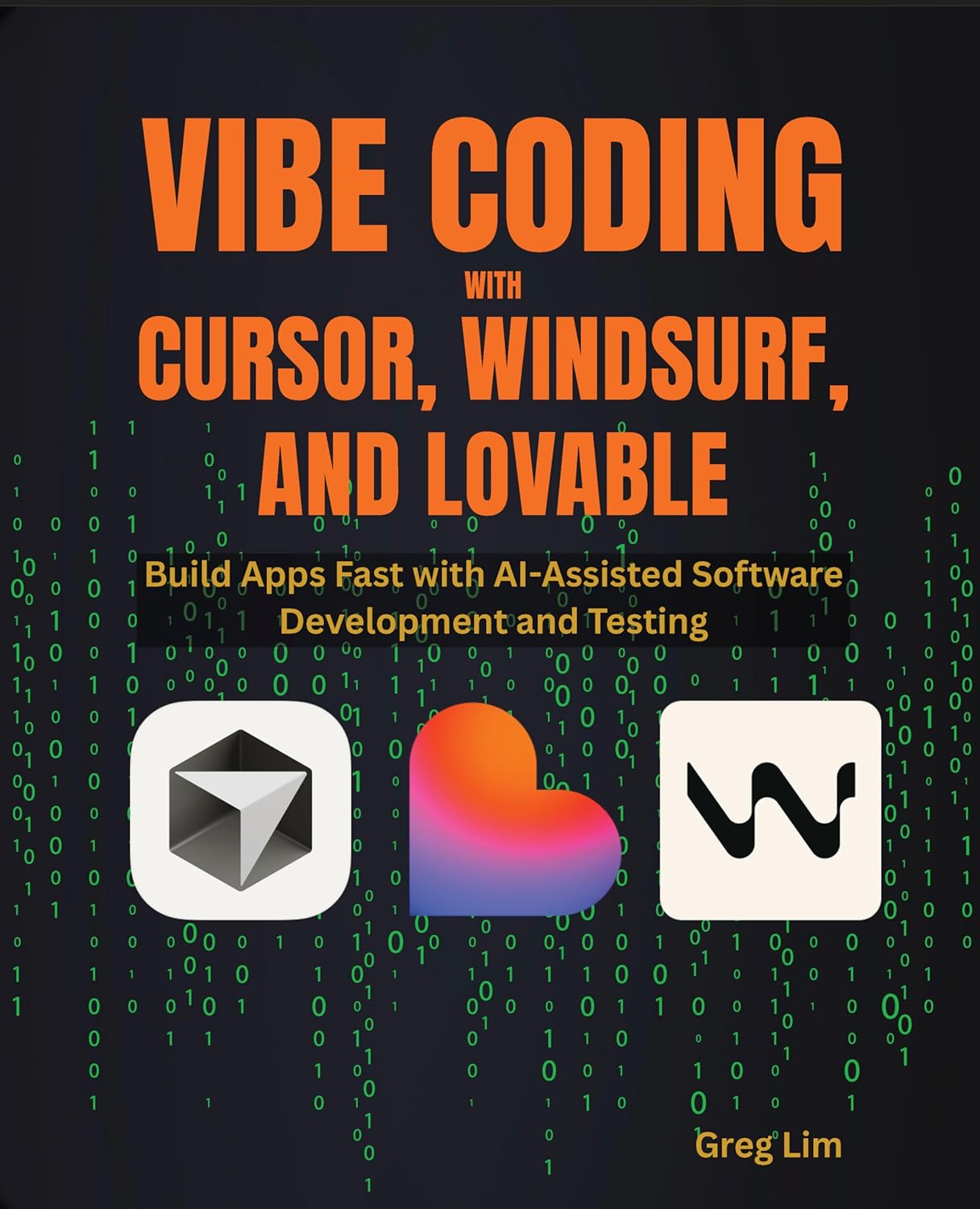
Published by Packt, this one deliberately narrows its scope to three specific tools, Cursor, Windsurf, and Lovable, rather than the discipline in general. That's a reasonable trade if you've already standardized your team's toolchain on one of those three and want tool-specific depth. It's a bad fit if you haven't picked a toolchain yet, since the whole book assumes you have. Worth knowing what you're buying before you buy it.
Frequently Asked Questions
What makes a vibe coding book actually useful for an engineer, versus a beginner?
Coverage of the full lifecycle, planning, architecture, hardening, and shipping, not just prompting, plus honesty about failure modes rather than pure hype. Beginner-oriented books tend to stop at "describe what you want and the AI builds it", which skips exactly the parts an experienced developer cares about most.
Is the Gene Kim and Steve Yegge book worth reading if I've already read O'Reilly's Beyond Vibe Coding?
Yes, they cover different ground. Kim and Yegge write from an industry/production-adoption angle with the widest review base in the category; Osmani writes from a working senior engineer's day-to-day adaptation angle. Reading both gives you two credible, independently reviewed perspectives rather than relying on just one.
Should I wait for Vibe Engineering to finish before reading it?
You don't have to. Manning's Early Access Program gives you the chapters as they're written, which means you get the framework early but should expect it to evolve before the book is finished.
Start With What Matches Your Actual Problem
If you want the widest lifecycle coverage and don't mind that it's still building its review base, start with Vibe Coding with Confidence, it's free either way. If you want the most independently vetted, traditionally published option, Kim and Yegge's book is the safer recommendation to make to a team. If your concern is specifically team-level code review discipline, Vibe Engineering is the most targeted answer here.
For a deeper look at how the two most credentialed books in this category actually compare chapter for chapter, see Vibe Coding (Kim/Yegge) vs. The Vibecoder's Handbook.