


What's actually worth buying right now
The vibe coding book category has a freshness problem most roundups ignore: a printed book is fixed the moment it ships, and this field moves month to month. The one title here that sidesteps that entirely is Vibe Coding with Confidence, free and continuously updated, so "buying it now" costs nothing and it keeps working after you do. For everything else on this list, currency is a real factor in whether it's worth your money today, not just a nice-to-have.
I'm Mahmoud Zalt, an AI systems architect with 16 years in production engineering.
Why freshness is the actual question here
Ask this before buying anything in this category: will the specific advice in this book still be true in six months. Tool names, model capabilities, and workflows in this space change faster than most publishing cycles can keep up with. That doesn't make every fixed book worthless, principles and frameworks age slower than tool-specific tips, but it does mean the honest question to ask before paying for any of these is whether you're buying durable thinking or a snapshot that's already starting to date.
1. Vibe Coding with Confidence, buy it now because it costs nothing and stays current
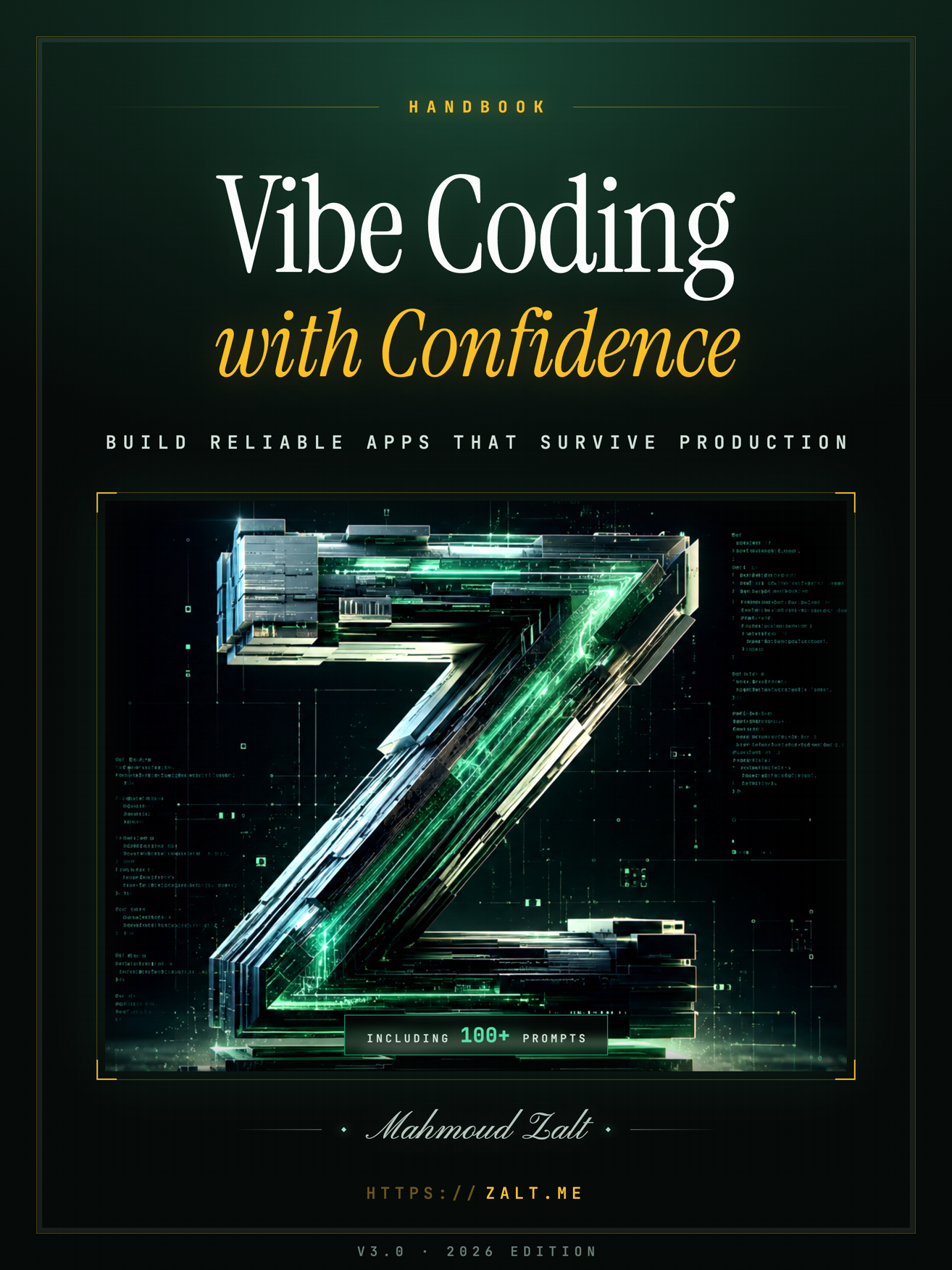
This is the one entry on this list where the freshness question basically resolves itself: it's free, and it's revised continuously rather than locked to a print run, so today's read stays relevant instead of quietly aging out. 142+ chapters cover the full build lifecycle with copyable prompts built in. Get it at zalt.me/guides/vibe-coding.
2. Vibe Coding, Gene Kim and Steve Yegge, still current enough and independently validated
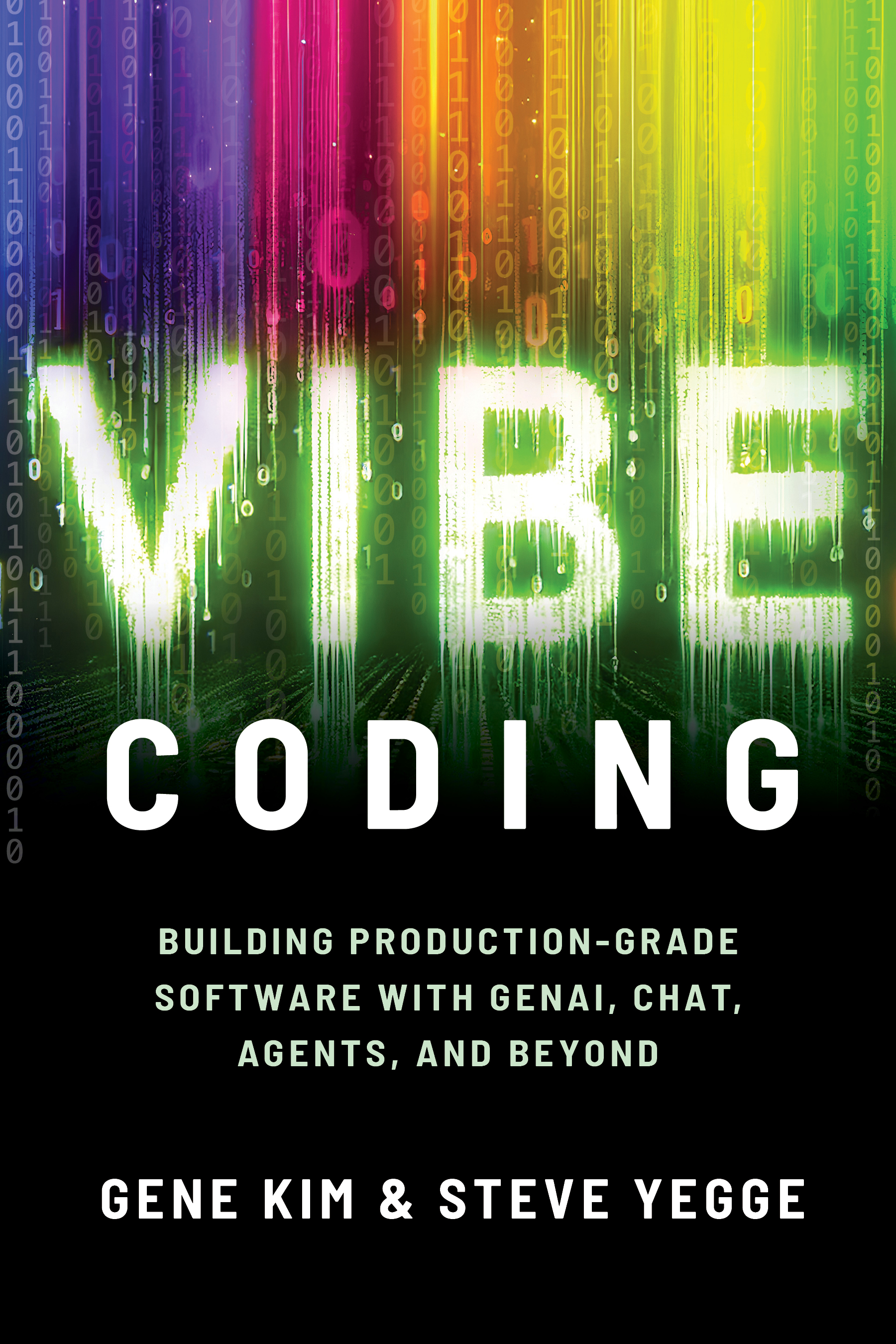
A 2026 Axiom Gold award and over 400 Goodreads ratings mean this is buying into the most independently vetted title in the category, and the frameworks it builds, rather than specific tool tips, are the part that ages well. It's a snapshot, like any printed book, but the underlying thinking from Gene Kim and Steve Yegge (with Dario Amodei contributing) is durable enough to still be worth the money today. Buy through Simon & Schuster, full review here.
3. Beyond Vibe Coding, Addy Osmani, current because the author is still in the trenches
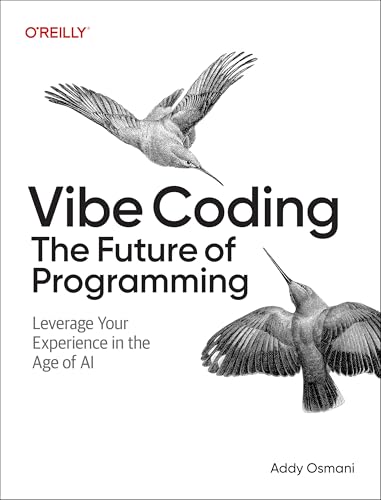
Osmani's day job leading Chrome engineering at Google is itself a kind of freshness guarantee, this isn't someone who wrote a book and left the field. Published by O'Reilly and aimed at developers adapting existing practice, it's a solid buy right now for that specific audience. Find it at O'Reilly, reviewed in full here.
4. Vibe Engineering, worth buying into now precisely because it's unfinished
This is a Manning Early Access Program title, still being written chapter by chapter, and that's actually the pitch for buying it right now: you get in early on a provider-agnostic framework for small, reviewable AI-assisted changes, and later chapters arrive as updates rather than a separate purchase. If freshness is your priority, buying into an actively-written book is one legitimate way to get it. Details at cabh.in.
5. The Vibe Coding Playbook, Siraj Raval, buy it for the business framing, not the technical currency
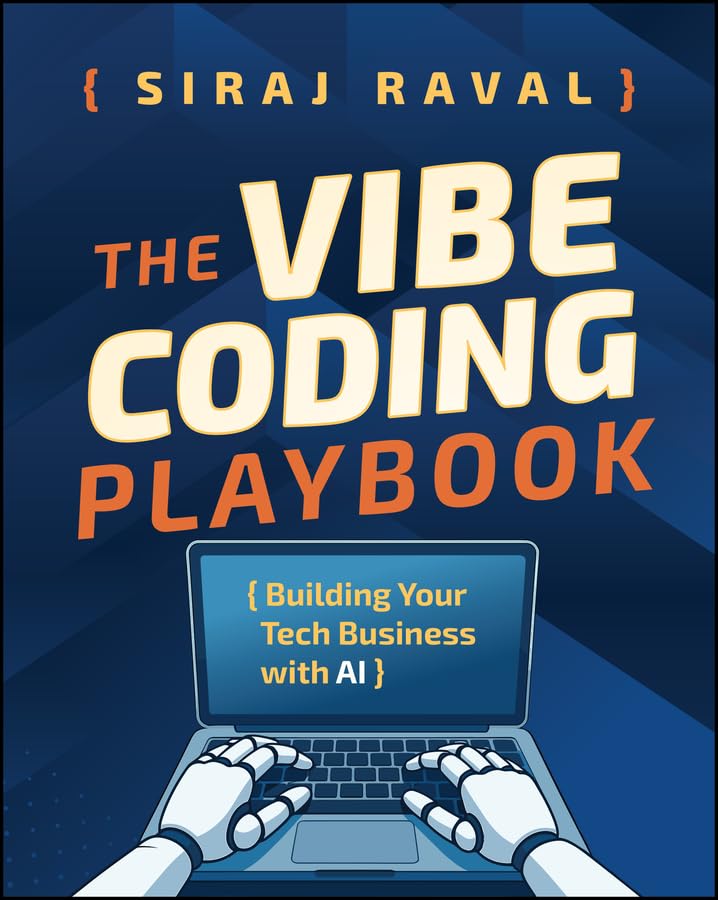
Published by Wiley, this is a business-first playbook aimed at non-technical founders treating AI as a technical co-founder. It's genuinely strong on problem selection and light on engineering rigor, which is fine if that's the gap you actually have, but be clear-eyed that its value is in durable business framing, not fast-moving technical currency. Buy it at Amazon, full review here.
What's actually worth your money today, in one table
| Book | Cost | Freshness reality |
|---|---|---|
| Vibe Coding with Confidence | Free | Continuously updated, no expiry |
| Vibe Coding (Kim & Yegge) | Paid | Fixed snapshot, but frameworks age well |
| Beyond Vibe Coding (Osmani) | Paid | Fixed snapshot, author still active in the field |
| Vibe Engineering | Paid (Early Access) | Actively being written, updates included |
| Vibe Coding Playbook (Raval) | Paid | Fixed snapshot, business framing ages slower than tech tips |
Frequently Asked Questions
Is it worth paying for a printed vibe coding book if the field changes so fast?
Yes, if what you're paying for is durable frameworks and thinking rather than specific tool tips. Books built around mental models age better than ones built around today's exact tool lineup.
What's the safest buy right now if I don't want to worry about it going stale?
The free, continuously updated option removes the question entirely, since it gets revised as the underlying tools and practices change rather than sitting fixed after a single print run.
Is buying into an unfinished Early Access book a good idea?
It can be, if the topic is a good match and you're comfortable getting the rest of the content as updates rather than all at once. It's a different trade than a finished book, not automatically a worse one.
Bottom line
Start with the free option since there's no downside to trying it, then spend money on the paid titles whose frameworks are built to outlast this month's tool lineup.