


Top 4 Vibe Coding Books, From Solo Practice to Team Framework
Four books, one progression: how you build alone, how you prove that build holds up in production, how you personally adjust your craft around an AI assistant, and how an entire team eventually standardizes the same habits. Most "top vibe coding books" lists just stack titles by popularity. This one orders them by where you are in that progression, because the fourth book on this list is nearly useless if you haven't internalized the first three yet.
I'm Mahmoud Zalt, an AI systems architect, 16 years building production software.
1. Build the thing: Vibe Coding with Confidence
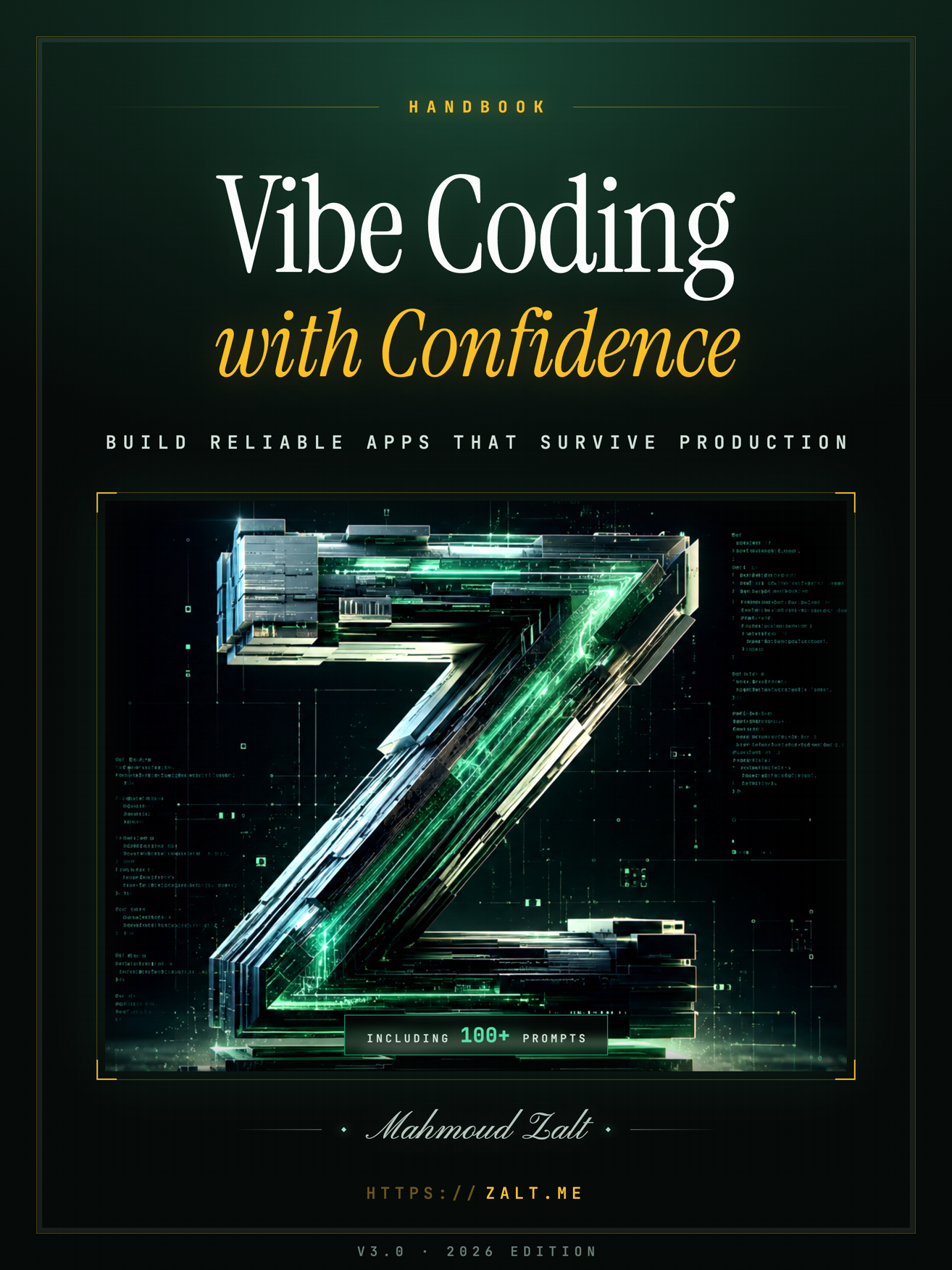
Free at zalt.me/guides/vibe-coding, and the starting point for the whole progression: 142+ chapters covering planning, requirements, architecture, building, hardening, and shipping, continuously updated instead of frozen at a print date, with copyable prompts built into the chapters themselves. This is my own book, so I'll say plainly there's no star rating to quote, there's no storefront generating one, that's an honest gap for something with no price tag.
2. Prove it holds up: Vibe Coding by Gene Kim and Steve Yegge
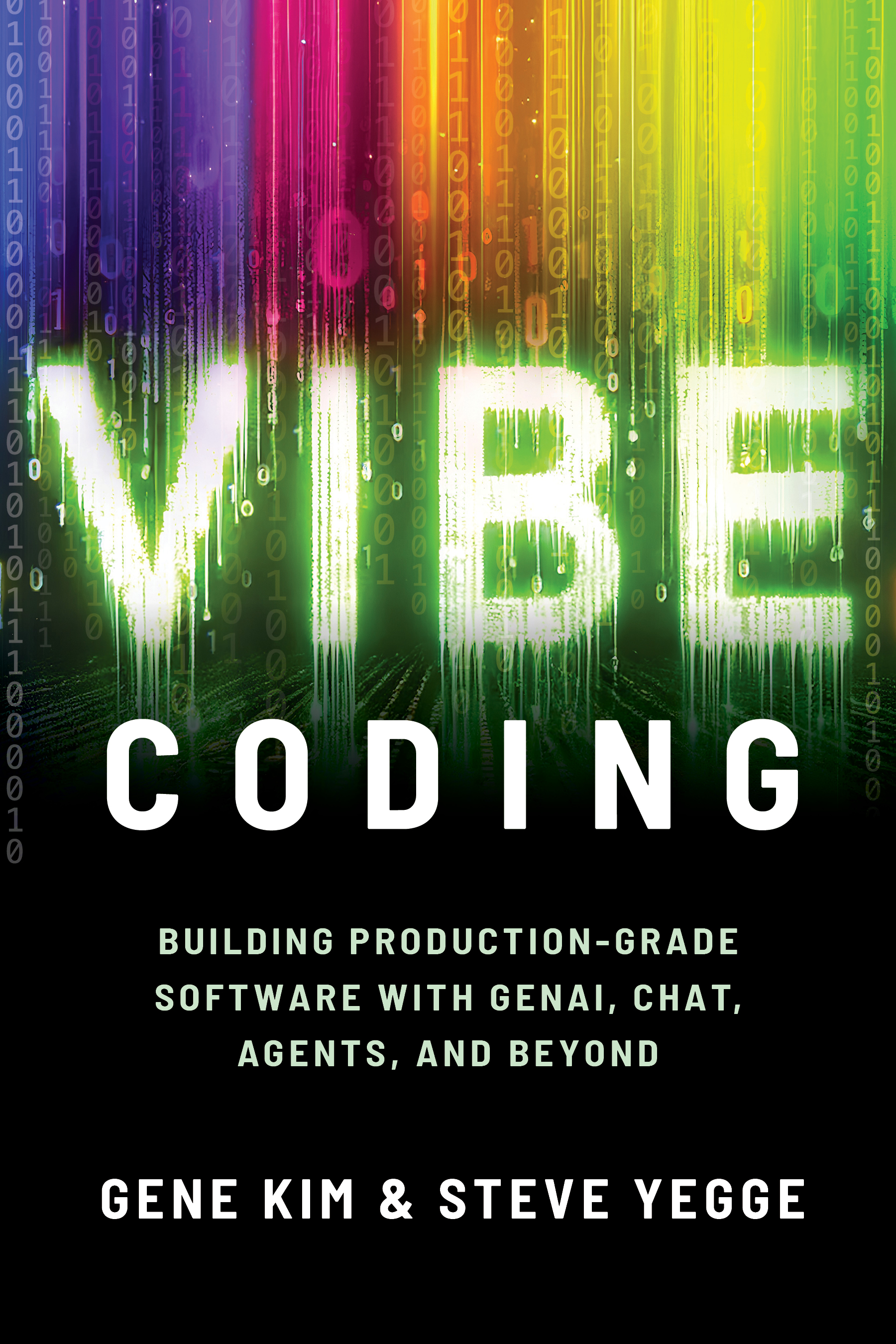
Full title Vibe Coding: Building Production-Grade Software With GenAI, Chat, Agents, and Beyond, published through IT Revolution and Simon & Schuster, with contributions from Dario Amodei. 400+ Goodreads ratings and a 2026 Axiom Gold award make it the most independently vetted book in the category, the natural second stop once you've built something and need to know whether "production-grade" is a real bar or marketing language. Buy at Simon & Schuster, or read my full review, what's inside it, and a comparison against my own book.
3. Adjust your own practice: Beyond Vibe Coding by Addy Osmani
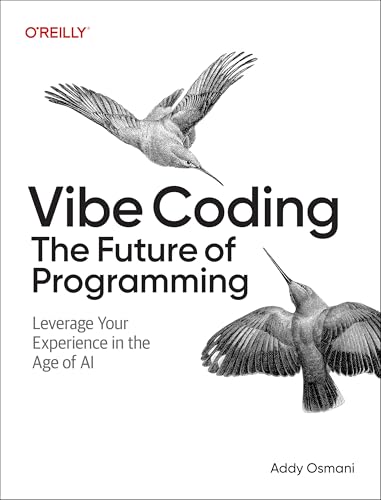
Beyond Vibe Coding: From Coder to AI-Era Developer, from O'Reilly, written by a Google Chrome engineering lead. This is the personal-craft stage: you already write code, you're not learning to program, you're relearning how to work now that an assistant sits in the loop on every task. Read it at O'Reilly, full review here.
4. Scale it to a team: Vibe Engineering by Tomasz Lelek and Artur Skowronski
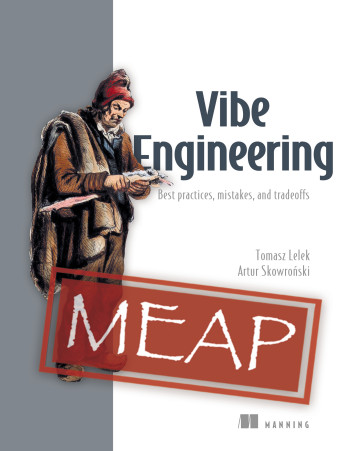
Currently a Manning Early Access Program title, meaning it's still being written chapter by chapter rather than sold as a finished book, worth knowing before you buy in. It's the only one of these four aimed at a whole engineering team rather than an individual, proposing a provider-agnostic framework for keeping AI-assisted changes small and reviewable across a codebase multiple people touch. The natural last stop once personal practice is solid and the problem becomes organizational. Find it at cabh.in.
Where you are decides where you start
If you're new to building with AI assistants, start at stage one, the free handbook, and only move down the list as each stage stops being the problem. If you're already well past stage one, skip ahead, there's no requirement to read these in order once the underlying skill is there. For a wider field including business-focused and self-published titles, see the top 6 or the best 10.