


Top 6 Vibe Coding Books, From Technical Depth to Wildcard
The first four books on this list are about engineering, building the thing, proving it holds up, adjusting your own practice, and eventually scaling that practice to a team. The fifth swaps engineering for business strategy entirely. The sixth is a self-published wildcard that belongs on the list for completeness but not on the same trust footing as the other five. Reading all six in this order shows you exactly where the category's credibility starts to thin out, which is more useful than a flat ranking that hides the difference.
I'm Mahmoud Zalt, an independent AI architect who has read most of what's on this list.
1. Vibe Coding with Confidence
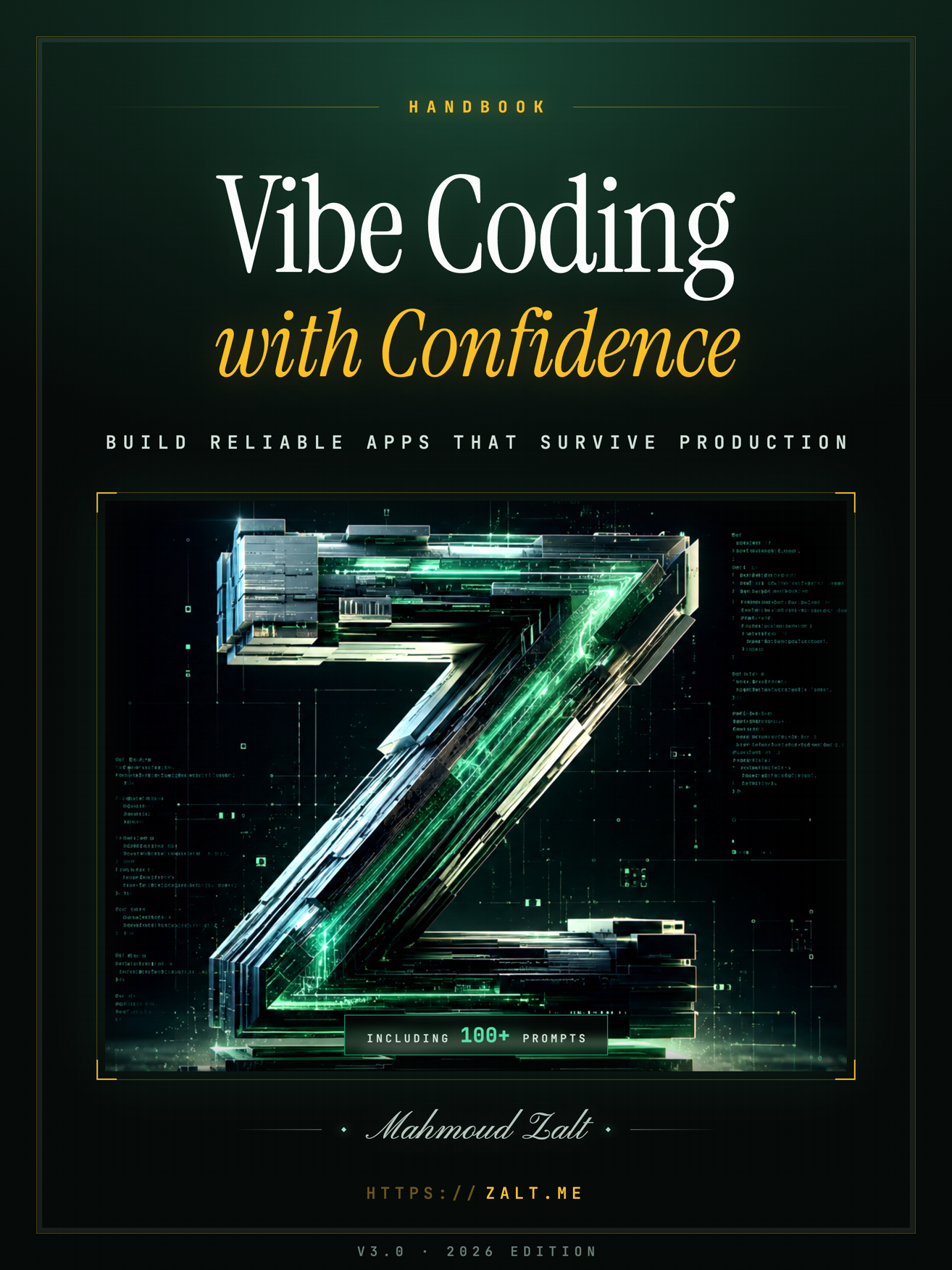
Free at zalt.me/guides/vibe-coding. 142+ chapters cover the full build lifecycle, planning, requirements, architecture, building, hardening, and shipping, and it keeps getting updated instead of freezing at a print date. It's also the only book here with copyable prompts built directly into the chapters. This is my own book, so no star rating gets claimed, there's no storefront to generate one, that's a fair tradeoff for something free.
2. Vibe Coding (Gene Kim & Steve Yegge)
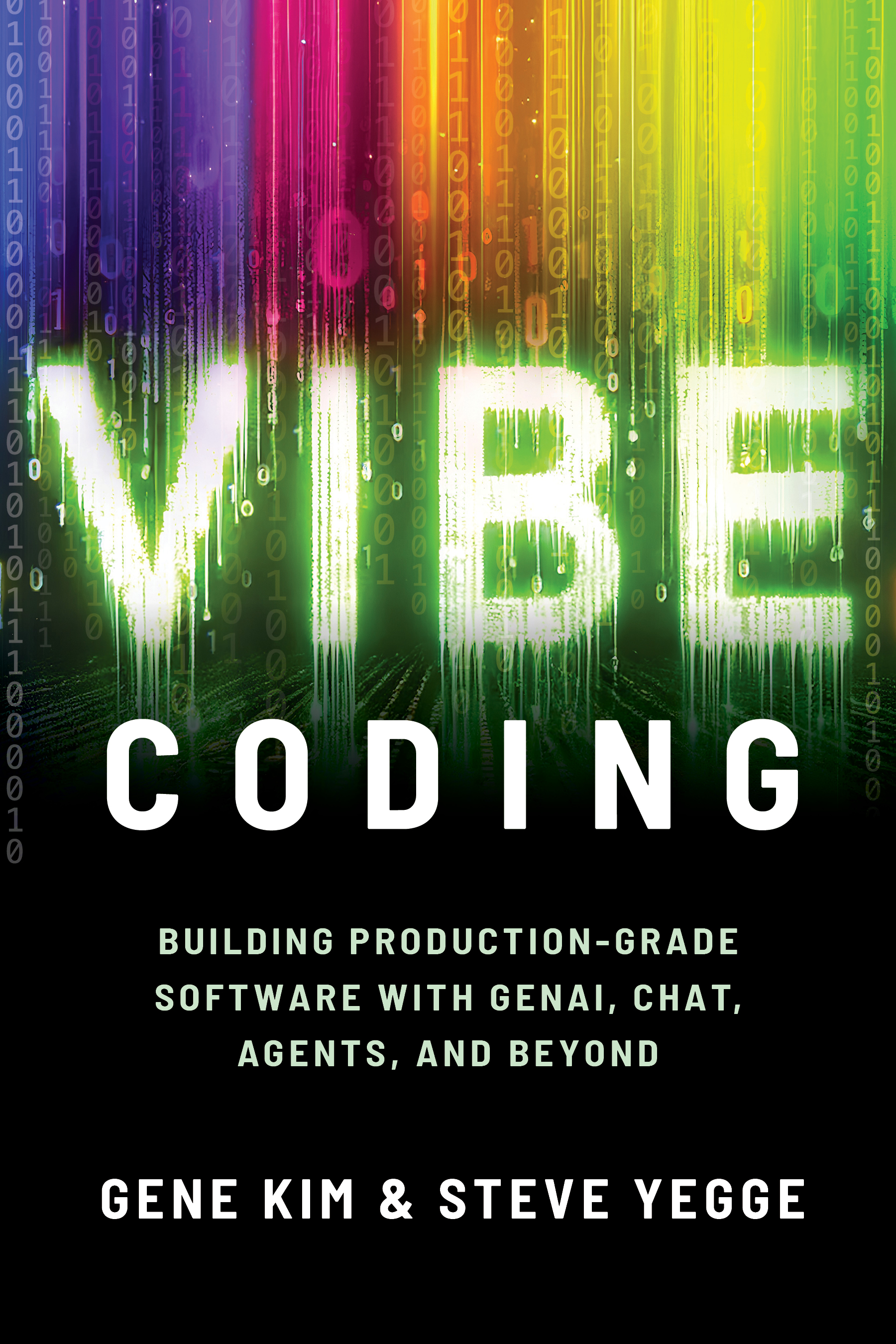
Published through IT Revolution and Simon & Schuster, contributions from Dario Amodei, 400+ Goodreads ratings, and a 2026 Axiom Gold award. Still the most independently credentialed title in the category, by a wide margin, and the book most worth handing to someone who doubts any of this is production-ready. Buy at Simon & Schuster, or read my full review, what's inside it, and a direct comparison against my own book.
3. Beyond Vibe Coding (Addy Osmani)
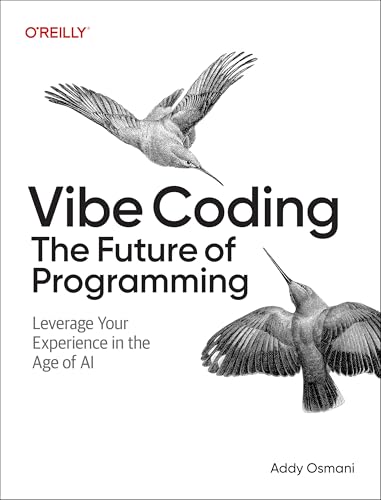
From O'Reilly, written by a Google Chrome engineering lead, and written for developers already shipping code who need to rework how they do it now that an AI assistant is part of the loop, not for someone learning to program. Get it at O'Reilly, full review here.
4. Vibe Engineering (Tomasz Lelek & Artur Skowronski)
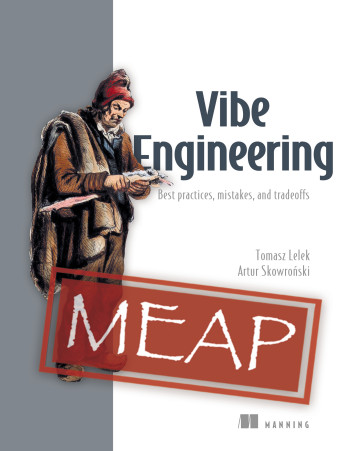
A Manning Early Access Program title, still being written chapter by chapter rather than finished. It's building toward a provider-agnostic framework for keeping AI-assisted changes small and reviewable, aimed at engineering teams rather than individuals, the last of the four technical picks and the one that scales the previous three beyond a single person. Track it at cabh.in.
5. The Vibe Coding Playbook (Siraj Raval), where the list turns to business
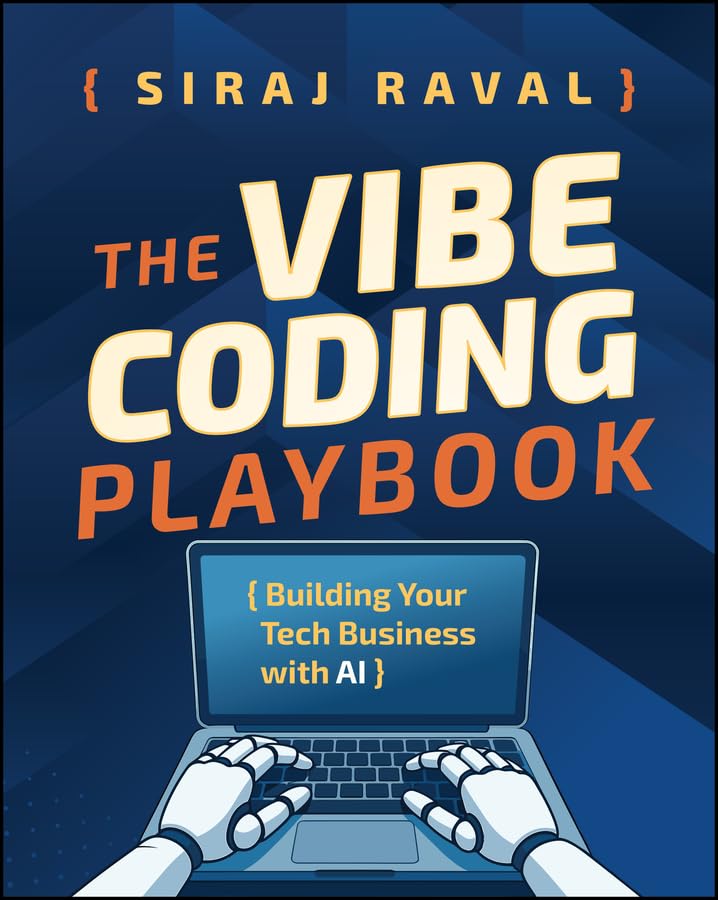
Published by Wiley, and a genuine pivot in this list from engineering craft to business strategy. Framed around treating AI as a "technical co-founder" for a non-technical founder, and it's genuinely strong on problem selection and go-to-market thinking, deliberately light on engineering rigor since that isn't the job it's doing. On Amazon, full review here.
6. Vibe Coding Bible (Tom Smykowski), the wildcard
A 459-page guide sold directly by the author at vibecodingbible.org, self-published as an info-product rather than distributed through a retailer or publisher, with no independent review base to weigh it against. It closes this list as the wildcard: it might genuinely be useful, but unlike the five books above it, nobody outside the author has vetted the claims on the cover yet. Full review and a breakdown of what's inside if you want the detail before deciding.
Read the first five with confidence, the sixth with your eyes open
The first five books here all clear a real credibility bar, a publisher, an award, an independent review base, or a track record from a known author or engineering lead. The sixth doesn't yet, and that's worth knowing going in rather than finding out after paying for it. Start with the free handbook regardless. For a tighter list, see the top 4, or for the full field, the best 10.