


Ranked by What Survives Contact With Production
Most "best vibe coding books" lists are really popularity contests: whichever title has the flashiest cover or the biggest launch week wins the top spot. That's not the question that matters once you're the one shipping. The question that matters is simpler and harder: if you actually followed this book's advice into a real system with real users, how much of it would still hold up once things break at an inconvenient hour, a customer files a weird edge case, or a stakeholder asks why the AI-generated code doesn't have tests? So that's the criterion here, not general popularity, not cover design, not launch buzz. For each of the 10 books below I asked whether the advice was built for the full build lifecycle, for engineers only, for business folks only, for total beginners only, or whether there's simply no independent evidence yet that anyone besides the author has tested it in production.
I'm Mahmoud Zalt, an AI systems architect running Sistava, an AI workforce doing real business work in production. I wrote the first book on this list, so consider that a disclosure up front. Every claim below is checkable against the real links, I'm not fabricating ratings or review counts for anyone, including myself.
The Production-Readiness Table
A rough qualitative read on each book, not a fabricated numeric score. "Full lifecycle" means the book's advice spans planning through shipping and holds up once real users show up. "Engineering-only" or "Business-only" means it's solid within its lane but doesn't pretend to cover the other half. "Beginner-only" means the advice assumes you'll never touch real production complexity. "Unverified" means there's no independent review base to confirm anyone but the author has tested the advice at all.
| Rank | Book | Production-Readiness Rating |
|---|---|---|
| 1 | Vibe Coding with Confidence | Full lifecycle |
| 2 | Vibe Coding (Kim & Yegge) | Full lifecycle, most reviewed |
| 3 | Beyond Vibe Coding (Osmani) | Engineering-only |
| 4 | Vibe Engineering (Lelek & Skowronski) | Engineering-only, still unfinished |
| 5 | The Vibe Coding Playbook (Raval) | Business-only |
| 6 | Vibe Coding Bible (Smykowski) | Unverified |
| 7 | Vibe Coding by Example (Alesso) | Unverified |
| 8 | Vibe Coding for Beginners Made Easy (Patel) | Beginner-only |
| 9 | Vibe Coding with Cursor, Windsurf, and Lovable (Packt) | Engineering-only, tool-specific |
| 10 | Anyone Can Vibe Code (Valen) | Beginner-only, unverified |
1. Vibe Coding with Confidence: Full Lifecycle
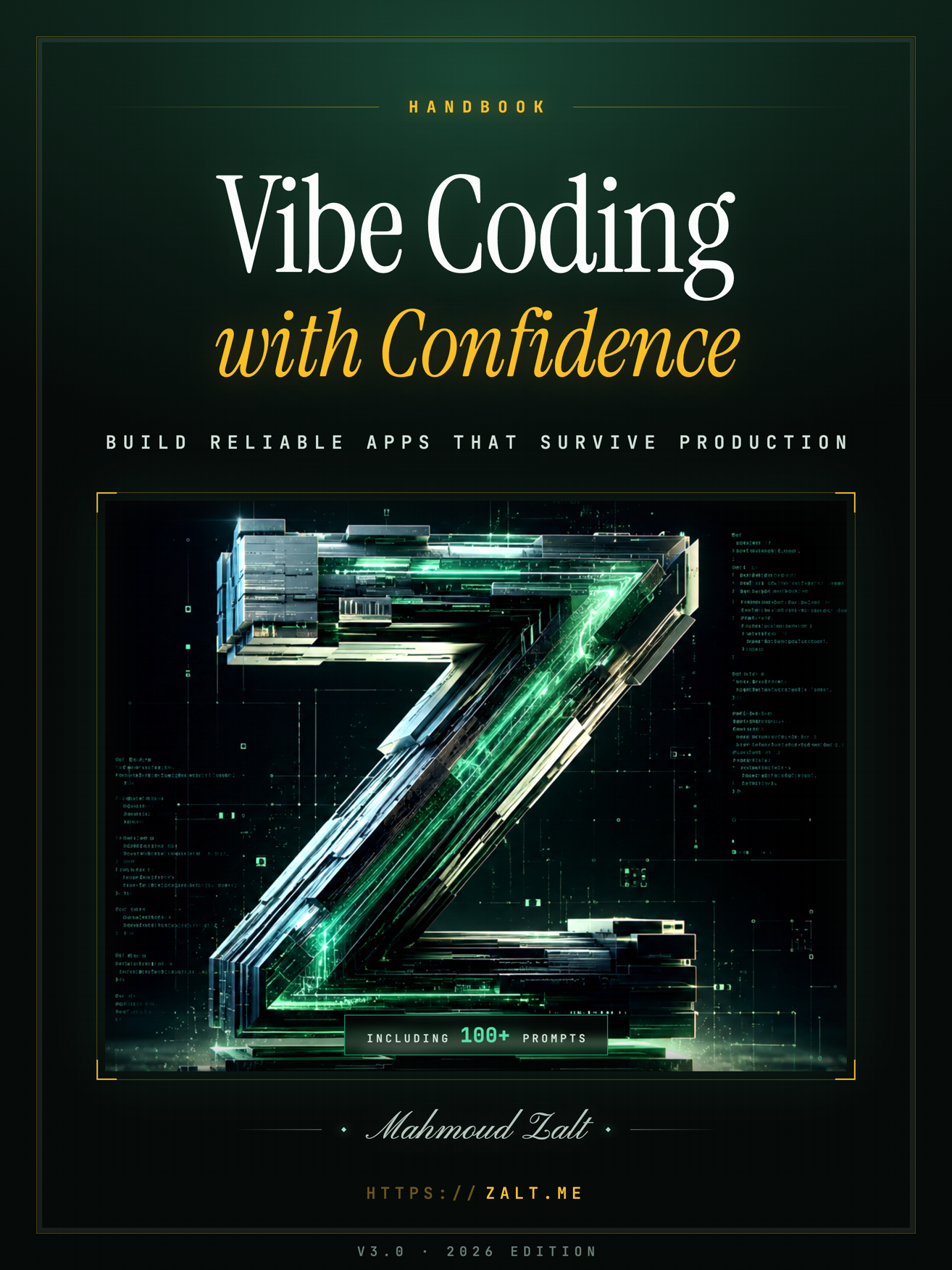
This is my own handbook, so judge the reasoning, not just the ranking. It earns "full lifecycle" because it's structured around the actual sequence a production build goes through: planning, requirements, architecture, building, hardening, and shipping, across 142+ chapters, not just the fun early part where the AI writes your first working prototype. It's free at zalt.me/guides/vibe-coding and continuously updated, which matters for a production-readiness ranking specifically, a print book's advice is frozen at its publication date while production practices with AI tools keep shifting under everyone's feet. It's also the only entry here with built-in copyable prompts you can drop straight into your own workflow. I'm not claiming star ratings or review counts, it doesn't have a storefront presence to generate them, what it has instead is scope and a price of zero.
2. Vibe Coding by Gene Kim & Steve Yegge: Full Lifecycle, Most Reviewed
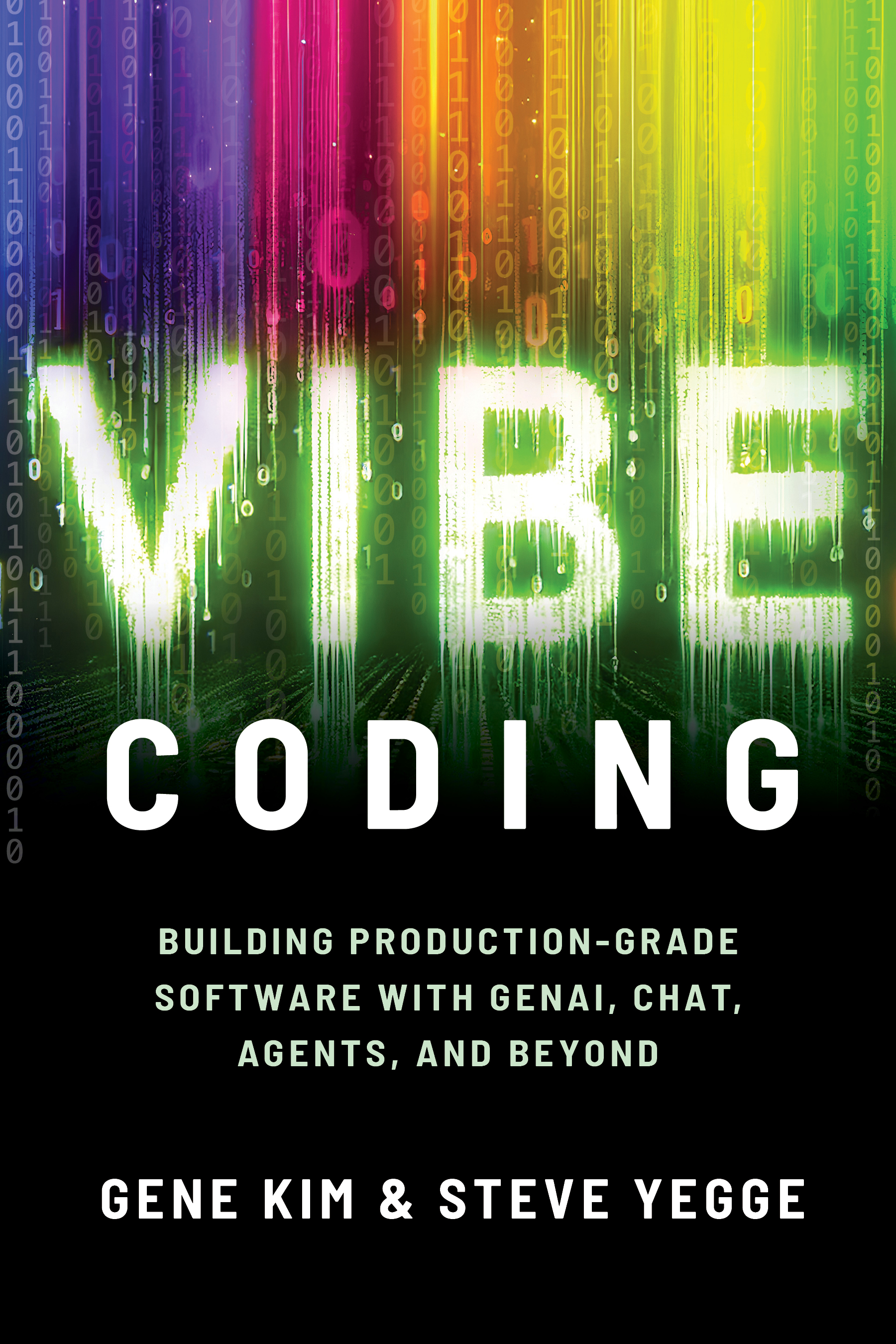
Full title Vibe Coding: Building Production-Grade Software With GenAI, Chat, Agents, and Beyond, with contributions from Dario Amodei, published by IT Revolution and Simon & Schuster. "Production-grade" is in the actual title, and the book backs it up with the deepest independent review base in the category: 400+ Goodreads ratings and a 2026 Axiom Gold award. That review volume is exactly the kind of evidence a production-readiness ranking should weight heavily, it's not just me asserting the advice holds up, hundreds of other readers have had a chance to push back on it. Get it from Simon & Schuster. I've gone deeper on it separately: my full review, what's actually inside it, and how it stacks up against my own handbook.
3. Beyond Vibe Coding by Addy Osmani: Engineering-Only
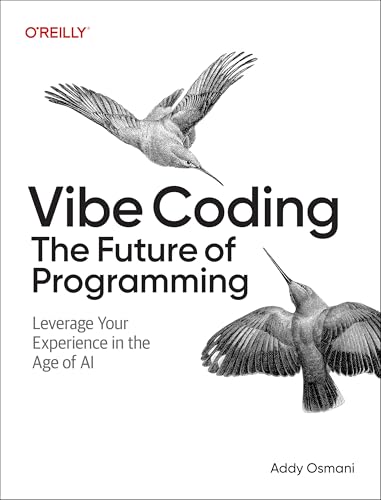
Full title Beyond Vibe Coding: From Coder to AI-Era Developer, published by O'Reilly, written by a Google Chrome engineering lead. It doesn't try to cover the business side of building a product, no pricing chapter, no go-to-market advice, and it isn't for someone who's never written code before. What it does cover, adapting an existing engineering practice to a world where an AI assistant sits in the loop, it covers well, because it's written by someone shipping software at that scale for a living. That's why it lands as "engineering-only" rather than full lifecycle, the advice survives production contact within its lane, it just doesn't claim a wider lane. Read it at O'Reilly, and see my full review for who it fits best.
4. Vibe Engineering by Tomasz Lelek & Artur Skowronski: Engineering-Only, Still Unfinished
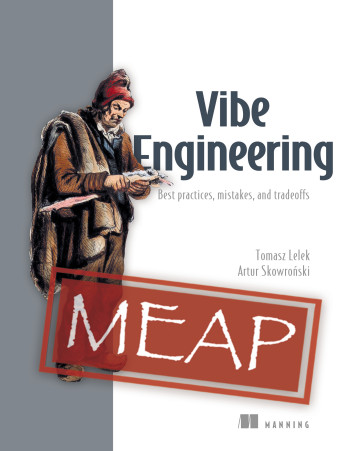
This one is a Manning Early Access title, meaning it's still being written chapter by chapter as you read it. The proposed framework, provider-agnostic, small and reviewable AI-assisted code increments, is aimed squarely at engineering teams and is a genuinely production-minded idea: keep the diffs small enough that a human can actually review what the AI produced. But an unfinished book is, by definition, advice that hasn't been proven all the way through yet, worth watching, not yet worth treating as settled. Track it at Manning.
5. The Vibe Coding Playbook by Siraj Raval: Business-Only
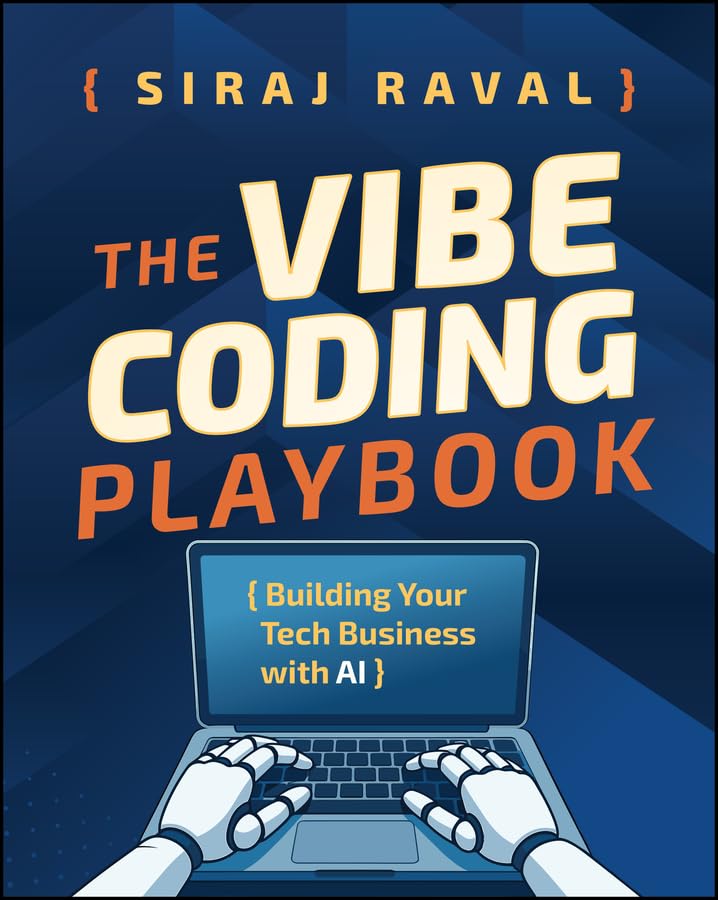
Full title The Vibe Coding Playbook: Building Your Tech Business with AI, published by Wiley. This is a business-first book written for non-technical founders, treating the AI as a technical co-founder rather than teaching you to be one. It's genuinely strong on problem selection, which is the part most engineering-first books skip entirely, but it's light on the engineering rigor that keeps a system standing once you have paying users and edge cases stacking up. That combination is exactly what "business-only" means in this ranking, real value, in a specific lane, not a full production playbook. Get it on Amazon, and see my full review.
6. Vibe Coding Bible by Tom Smykowski: Unverified
A 459-page guide sold directly by the author as an info-product at vibecodingbible.org, rather than through a retailer or publisher. That distribution choice is the whole reason it lands in the "unverified" tier here: there's no independent review base of any size to confirm the advice has been tested by anyone but the author. That doesn't automatically make it bad, plenty of self-published info-products are genuinely useful, it just means you're taking it on the author's word alone rather than a publisher's editorial process or a large reader base. I've reviewed it in more depth, including a full review and what's actually inside it.
7. Vibe Coding by Example by H. Peter Alesso: Unverified
Self-published, part of a broader AI book series from the same author, with a real retail listing but a very small independent review base so far. There isn't enough outside signal yet to say whether the advice generalizes past the author's own examples, which is what keeps it in the unverified tier rather than higher. See it on Goodreads.
8. Vibe Coding for Beginners Made Easy by David M. Patel: Beginner-Only
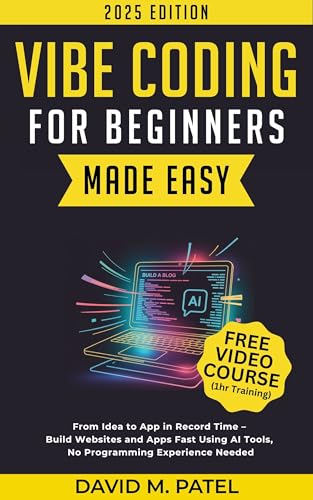
Self-published, but honestly framed, this one is genuinely aimed at absolute beginners going from idea to app quickly, and it doesn't pretend to be anything more. It's a fair pick if you've never written a line of code and just want to get something running, it just won't carry you through the harder production questions this ranking is built around. Review base is tiny so far. See it on Goodreads.
9. Vibe Coding with Cursor, Windsurf, and Lovable (Packt): Engineering-Only, Tool-Specific
Published by Packt and scoped narrowly to three specific tools, Cursor, Windsurf, and Lovable, rather than the discipline broadly. That narrowness is actually the point here: if you've already committed to that exact toolchain, tool-specific advice can survive production contact just fine within that toolchain. It's just not a general vibe coding education, and it ages out the moment you switch tools. Details at this listing.
10. Anyone Can Vibe Code by Marcus Valen: Beginner-Only, Unverified
Full title Anyone Can Vibe Code: The Zero-to-Hero Guide to Creating Software with AI, self-published and pitched at people who've never coded at all. It's sold mainly through secondary marketplaces rather than a standard retail channel, and there's no independent review base yet to lean on. Fine as an entry point if the zero-to-hero framing matches where you're starting from, but it lands at the bottom of a production-readiness ranking almost by design, that's simply not the problem it's trying to solve. Listed on eBay.
Frequently Asked Questions
What does "production-ready advice" actually mean for a book?
It means the practices described still work once you have real users, edge cases, and something breaking at an inconvenient time, not just a clean demo in a controlled setting.
Does self-published automatically mean bad?
No, but it does mean the advice hasn't been independently vetted by a publisher's editorial process or a meaningful reader base yet. That's a real gap worth naming plainly rather than pretending every title in this category has been equally tested.
Which one book should I start with?
Start with whichever one matches your actual gap. If you want the full build lifecycle covered for free, start with Vibe Coding with Confidence.
Start With What Actually Holds Up
Popularity and production-readiness aren't the same thing, and this list is built around the second one. If you want the full-lifecycle option with no cost of entry, start there.