

Best 5 Vibe Coding Books, Grouped By Who They're Actually For
Most "best vibe coding books" lists read like a countdown: five slots, one winner, four runners-up. That format works fine when the books are actually competing for the same reader. These five aren't. A founder with no engineering background and a staff engineer hardening an AI-assisted pipeline shouldn't reach for the same title, so instead of ranking these five against each other on a single scale, this piece groups them by the reader each one was actually written for. Figure out which reader you are first, then the pick is obvious.
I'm Mahmoud Zalt, an independent AI systems architect who reads more of these than is probably healthy.
The one to start with, whoever you are: Vibe Coding with Confidence
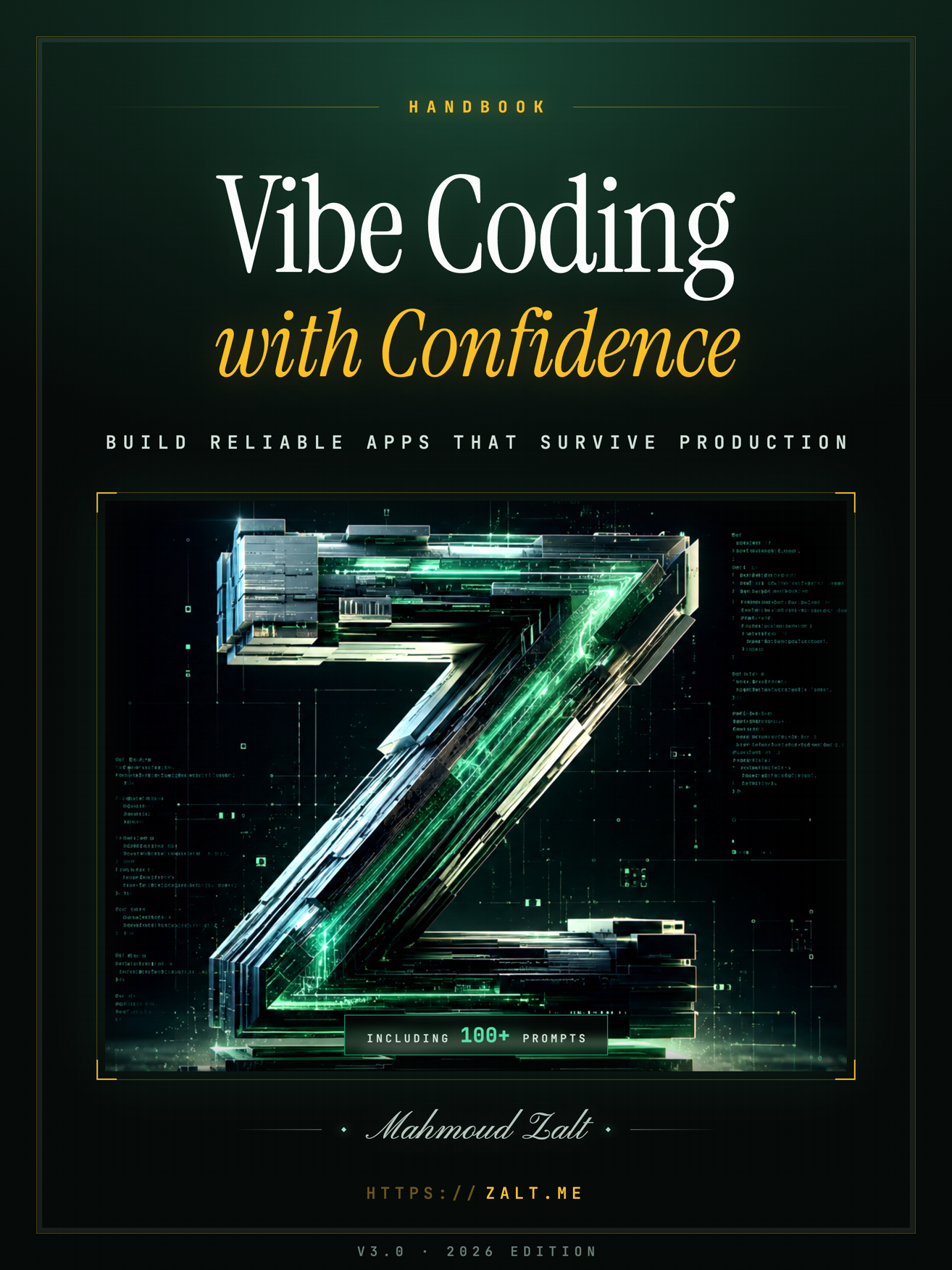
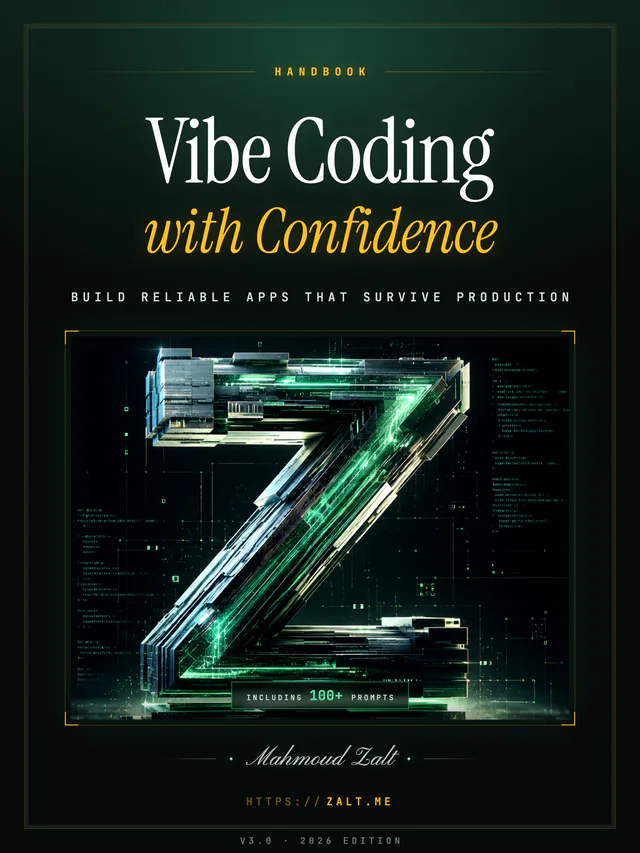
Free at zalt.me/guides/vibe-coding, and the only title on this list that doesn't stop changing the day it's printed, because it isn't printed. 142+ chapters walk the entire build lifecycle, planning, requirements, architecture, building, hardening, and shipping, and it's the only entry here with copyable prompts built straight into the chapters. This is my own book, so no star rating gets quoted, there's no storefront to generate one, that's an honest gap rather than a hidden one, and it's a fair tradeoff for something that costs the reader nothing to try.
The one with the receipts, if you need to convince someone else: Vibe Coding by Gene Kim and Steve Yegge
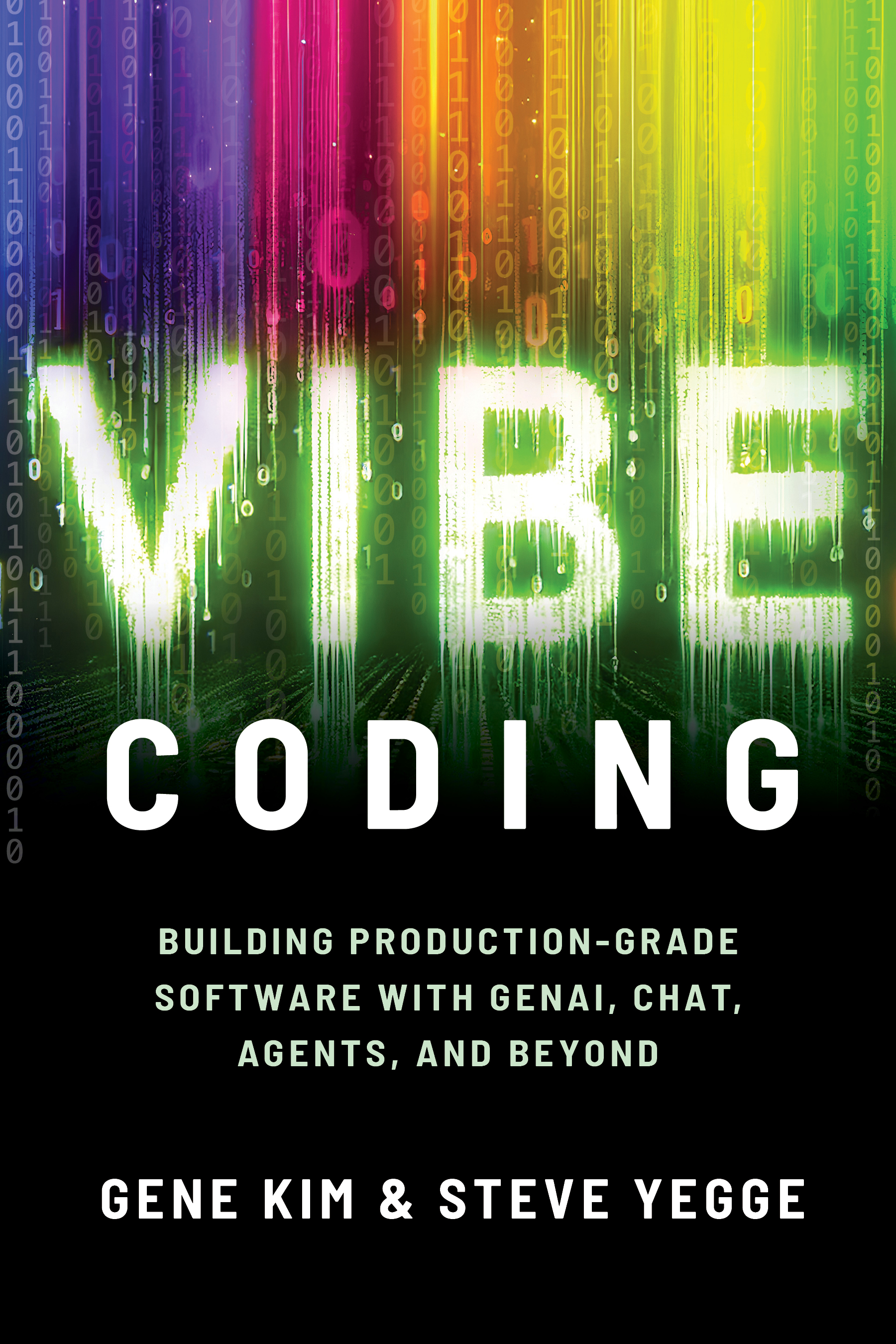
Vibe Coding: Building Production-Grade Software With GenAI, Chat, Agents, and Beyond, published via IT Revolution and Simon & Schuster, with contributions from Dario Amodei. 400+ Goodreads ratings and a 2026 Axiom Gold award put it in a different credibility tier than everything else on this list, self-published or otherwise. This is the book to hand to a skeptical manager who thinks "vibe coding" is a fad, since it's the one with independent numbers behind it. Buy it at Simon & Schuster, or read a full review, a breakdown of what's inside, and a side-by-side comparison with my own book.
The one for developers who already ship code: Beyond Vibe Coding by Addy Osmani
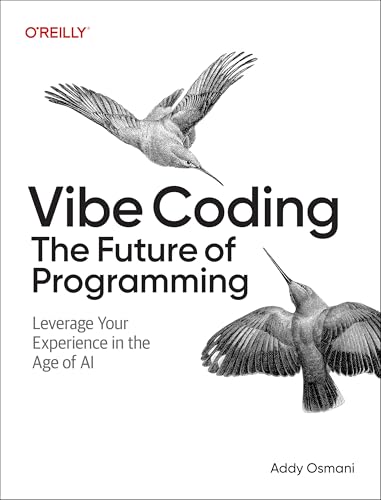
Beyond Vibe Coding: From Coder to AI-Era Developer, from O'Reilly, written by a Google Chrome engineering lead. It doesn't spend time on the basics of what an AI assistant is, it assumes you already write code professionally and need to adjust how you do it now that one sits in your loop. Wrong pick if you're brand new, right pick if you're not. Get it via O'Reilly, full review here.
The one still being written, for engineering teams: Vibe Engineering by Tomasz Lelek and Artur Skowronski
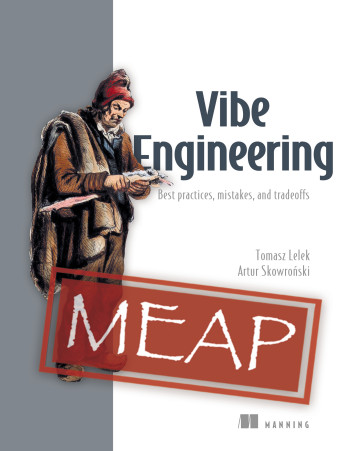
This is a Manning Early Access Program title, which means you're buying into a book that's still being written chapter by chapter, not a finished product, worth knowing before you commit. The idea it's building toward is a provider-agnostic framework for keeping AI-assisted changes small and reviewable, aimed squarely at engineering teams rather than solo builders. Track it at cabh.in if a team-oriented framework is the gap you're trying to fill.
The one for the non-technical founder: The Vibe Coding Playbook by Siraj Raval
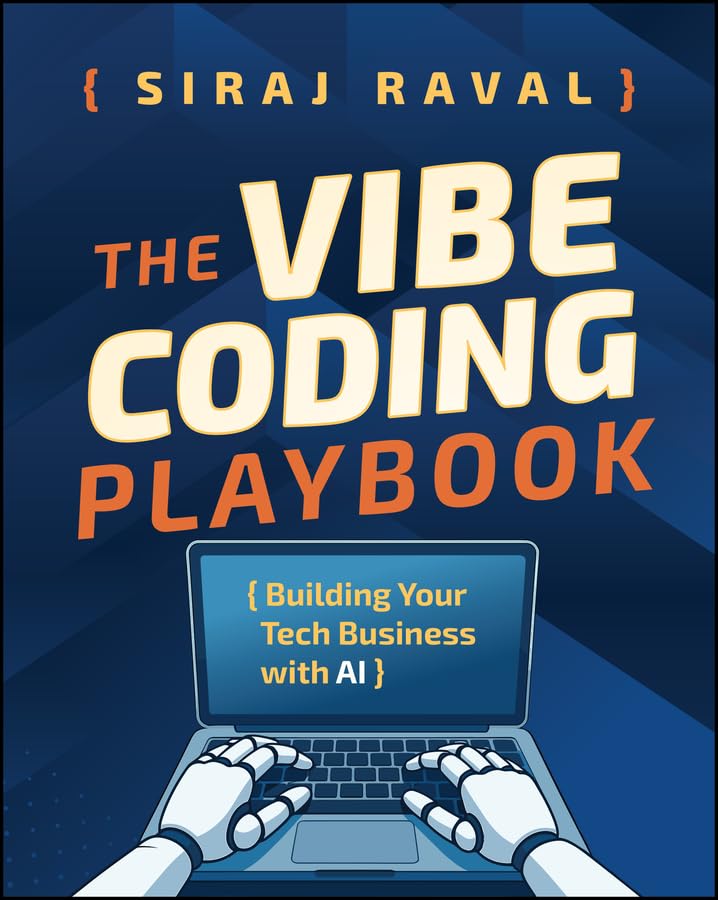
The Vibe Coding Playbook: Building Your Tech Business with AI, published by Wiley. The only book on this list that isn't really about engineering craft, it's a business playbook for a non-technical founder treating AI as a "technical co-founder", genuinely strong on problem selection and go-to-market thinking, and light on engineering rigor because that's not the job it's trying to do. Find it on Amazon, full review here.
Which reader are you
| You are | Start with |
|---|---|
| New to building with AI assistants, want the full picture | Vibe Coding with Confidence |
| Trying to convince a team or manager this is legitimate | Vibe Coding (Kim & Yegge) |
| Already shipping code, adjusting your workflow | Beyond Vibe Coding (Osmani) |
| Leading an engineering team, want a shared framework | Vibe Engineering (Lelek & Skowronski) |
| Non-technical founder building a product | The Vibe Coding Playbook (Raval) |
Start with the free one regardless
Whichever reader you are, the free handbook costs nothing to open and covers more lifecycle ground than any single paid title here. Add the book that matches your actual situation from the table above. For a shorter list, see the best 3, or for the wider field including the self-published titles, the best 10.