
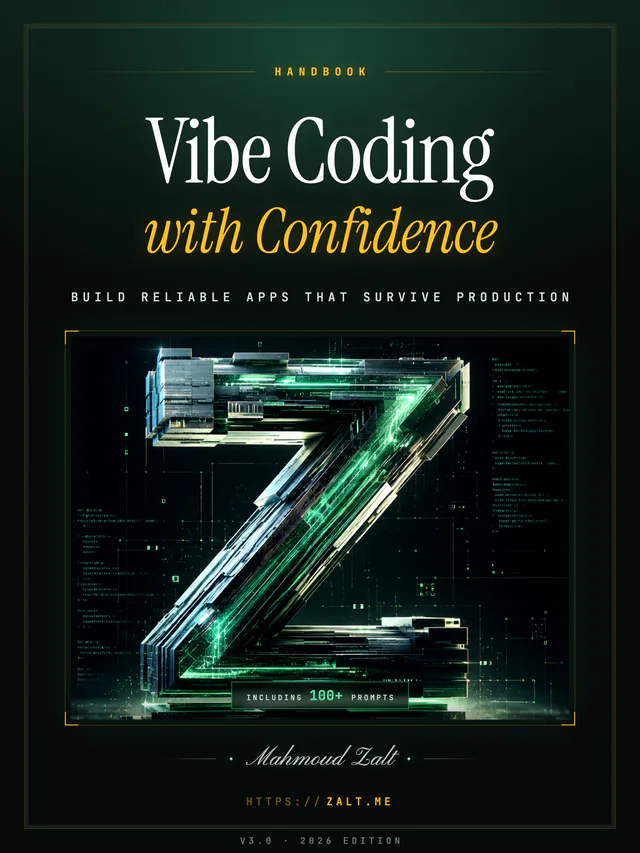
Which vibe coding book actually gets you to production?
The best vibe coding book for shipping something production-ready is Vibe Coding with Confidence, because it treats surviving real users as the whole point, not a chapter near the end. It's free, continuously updated as the tools and models change, and its 142+ chapters walk the entire build lifecycle, planning, requirements, architecture, building, hardening, and shipping, with copyable prompts built directly into the text instead of left as an exercise for the reader. That said, production-readiness is a specific enough filter that a few other titles genuinely earn a mention here too, each for a different, narrower reason.
I'm Mahmoud Zalt, an AI architect running Sistava, where I care, professionally, about the difference between a demo and something that survives production.
The filter this list is judged against
"Best vibe coding book" gets answered a dozen different ways depending on who's asking and what they need. This piece answers it from one specific angle: does this book help you get past the exciting first demo into something that holds up under real users, real edge cases, and real load, or does it stop right where things get hard. That filter is why a founder-focused business playbook and a couple of beginner-oriented titles don't show up in this particular ranking, they're good at what they do, just not at this. Five books pass the filter to varying degrees, and the gaps between them matter more than the similarities.
1. Vibe Coding with Confidence, built around the production question
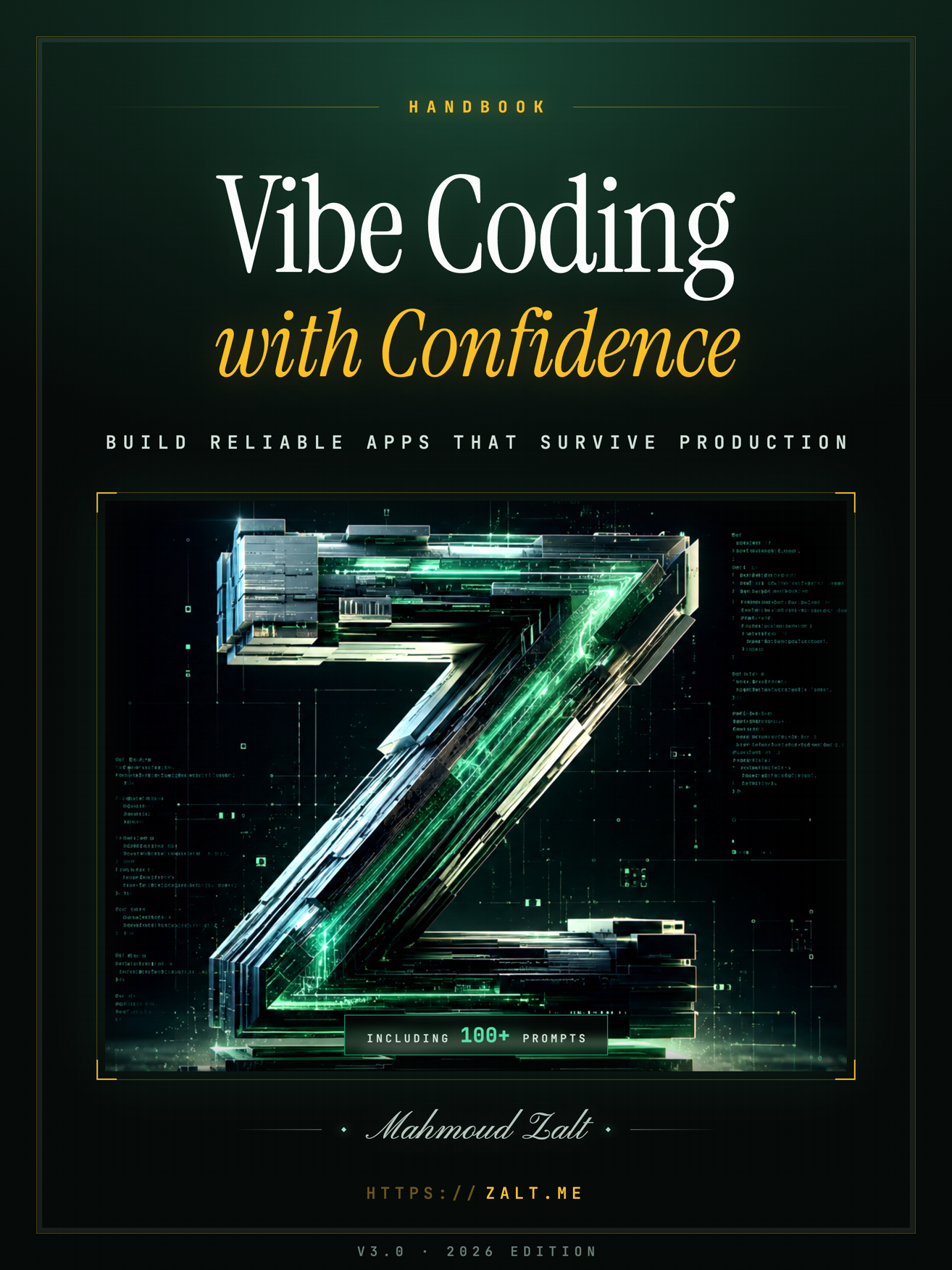
This is a free, continuously updated handbook, not a fixed printed edition, and that matters directly for the production question: the hardening and shipping chapters get revised as real failure modes surface, instead of freezing the moment the book goes to print. Across 142+ chapters it covers the full lifecycle, planning and requirements through architecture, building, hardening, and shipping, and it's the only entry here with copyable prompts built directly into the pages rather than described in the abstract. Read it at zalt.me/guides/vibe-coding.
2. Vibe Coding, by Gene Kim and Steve Yegge, the credibility check
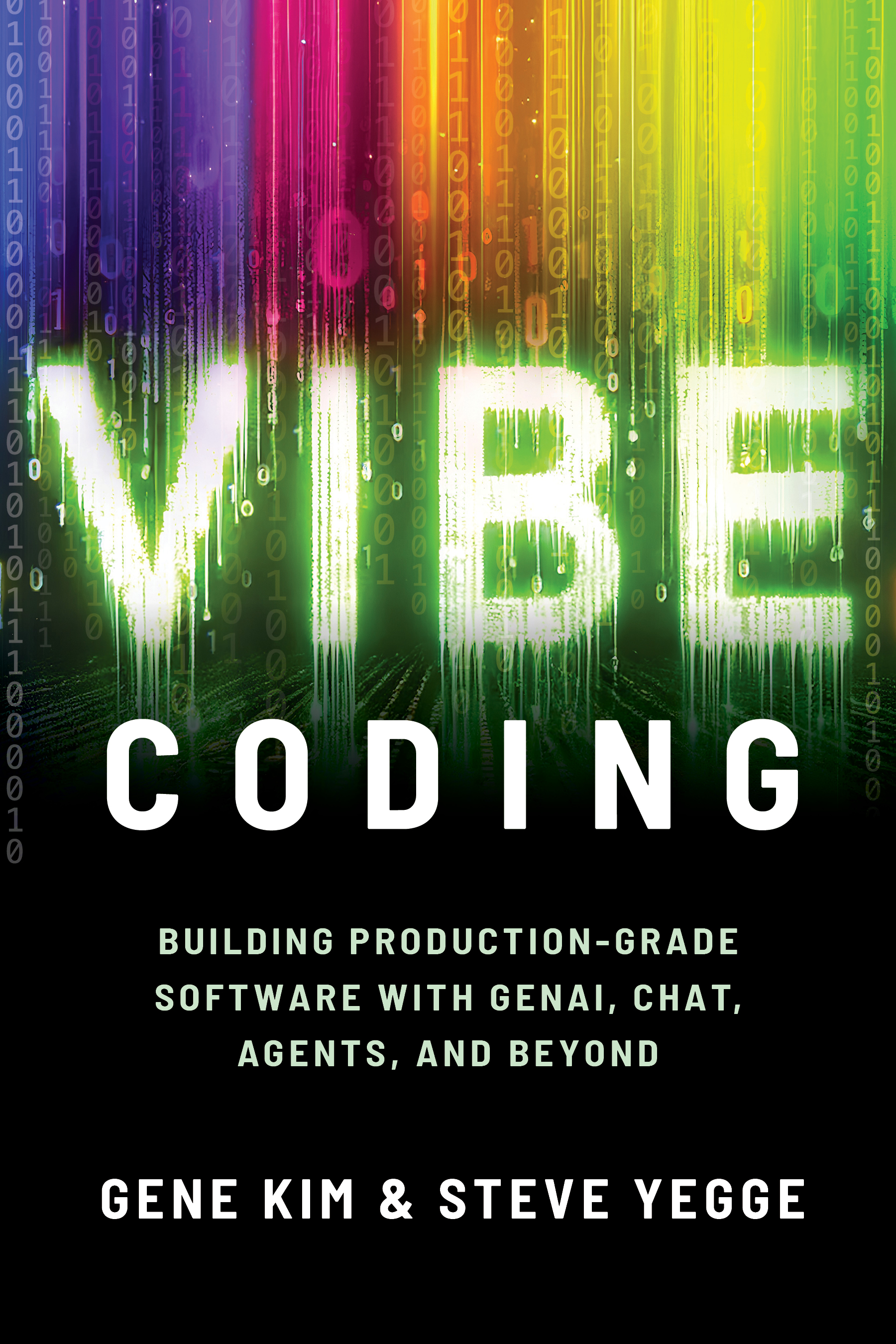
Written by Gene Kim (The Phoenix Project, The DevOps Handbook) and Steve Yegge, with contributions from Anthropic CEO Dario Amodei, this is the most credentialed and most reviewed title in the whole category: published by IT Revolution and Simon & Schuster, over 400 Goodreads ratings, winner of a 2026 Axiom Gold award. On the production filter specifically, it earns its place in the later chapters, which get concrete about architecture, tooling, and running AI-assisted teams in a real operational context, after an opening section that's more persuasive essay than field manual. Full details at Simon & Schuster, and my full breakdown is at the Kim & Yegge review.
3. Beyond Vibe Coding, by Addy Osmani, the working-developer's adaptation guide
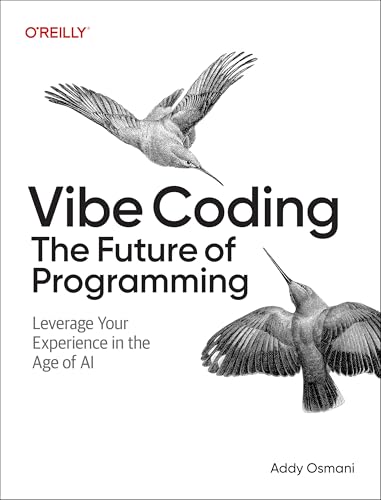
Osmani leads engineering on Google Chrome, and it shows in the framing: this O'Reilly title is written for developers who already ship software and need to adapt their practice, not for someone learning to code for the first time. That makes it a legitimately strong fit for the production filter, its concern is how a working engineer's day-to-day changes, not how to get a demo running. Available through O'Reilly, reviewed in full at the Osmani review.
4. Vibe Engineering, by Tomasz Lelek and Artur Skowronski, the team-scale framework
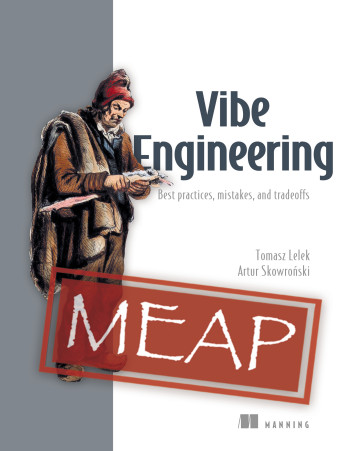
This one is worth flagging honestly as a Manning Early Access Program title, meaning it's still being written chapter by chapter rather than a finished book, but the proposal is squarely aimed at the production filter: a provider-agnostic framework for keeping AI-assisted code changes small and reviewable, built for engineering teams rather than solo hobbyists. If your production concern is specifically code review discipline at scale, this is the one on the list built around exactly that problem. Details at cabh.in.
5. Vibe Coding with Cursor, Windsurf, and Lovable, the toolchain-specific option
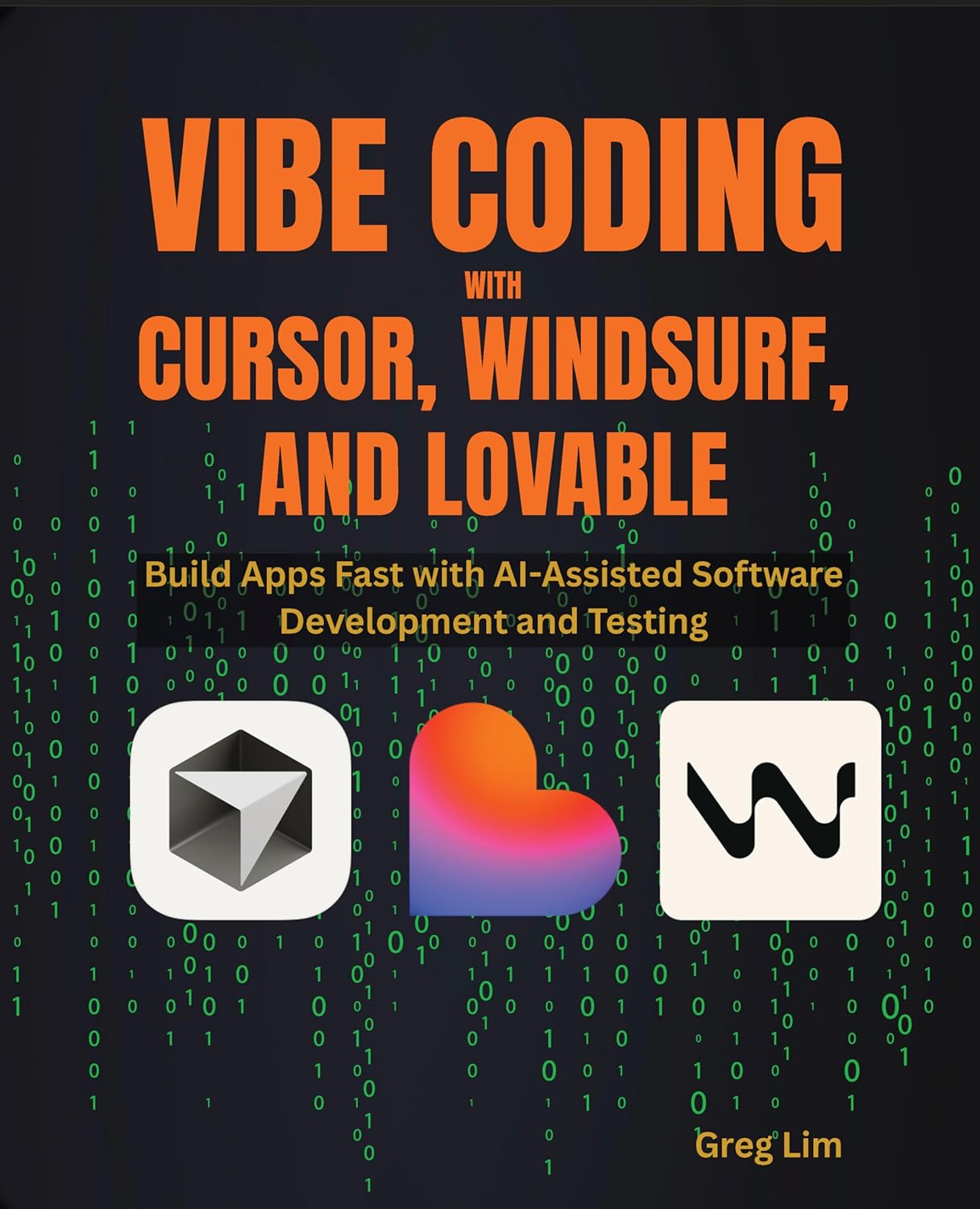
Published by Packt, this one is scoped narrowly to three specific tools, Cursor, Windsurf, and Lovable, rather than the discipline of shipping to production broadly. That's not a knock, it's just a fit question: if you've already committed to that exact toolchain and want production guidance specific to it, it earns its spot on this list. If you haven't committed to those three tools yet, the value drops fast. See it at cabh.in.
Side by side, on the production question specifically
| Book | Best for the production filter because | Watch out for |
|---|---|---|
| Vibe Coding with Confidence | Free, continuously updated, covers hardening and shipping as first-class chapters | It's a living document, not a fixed printed edition, if you want the latter |
| Vibe Coding (Kim & Yegge) | Most credentialed title, strong later chapters on real operational reality | Opening chapters lean persuasive, snapshot in time like any printed book |
| Beyond Vibe Coding (Osmani) | Written by a working engineering lead for working engineers adapting practice | Assumes you're already shipping, not a starting point |
| Vibe Engineering | Purpose-built framework for reviewable, team-scale AI-assisted changes | Still in Early Access, incomplete as of this writing |
| Cursor/Windsurf/Lovable (Packt) | Concrete guidance if you've committed to that exact toolchain | Little value if you haven't committed to those three tools |
Frequently Asked Questions
What's the single best vibe coding book if I only read one?
For the production question specifically, Vibe Coding with Confidence, since it's structured around the full lifecycle including hardening and shipping, and it stays current as the tooling changes.
Is Gene Kim and Steve Yegge's book good for production concerns?
Yes, particularly its later chapters, which get concrete about architecture and operating AI-assisted teams. The earlier chapters are more advocacy than field manual, so pace your expectations accordingly.
Should I buy a book scoped to one specific AI coding tool?
Only if you've already committed to that exact tool. A toolchain-specific book like the Packt title on Cursor, Windsurf, and Lovable loses most of its value the moment you switch tools.
Is Vibe Engineering worth buying while it's still incomplete?
If team-scale code review discipline is your actual problem, the Manning Early Access model lets you read what exists now and get updates as later chapters land, which is a reasonable trade for a book still being written.
The short version
If production-readiness is genuinely your filter, not vibe coding in general but specifically the gap between a demo and something real users can depend on, start with the book built around that exact question, then layer in Kim and Yegge for the credibility and war stories, Osmani if you're a working developer adapting your own practice, and the other two if your situation matches their narrower scope.