

What a Solo Founder Actually Needs From a Vibe Coding Book
A solo founder reading about vibe coding isn't looking for engineering theory, you're looking for the shortest honest path from idea to a shipped product that real customers can pay for, without a co-founder or a team to lean on. That changes which books are worth your limited hours. Some titles here are written for engineering teams and skip the business questions you're actually stuck on. Others are written for you specifically, and one is worth mentioning mainly so you know to be skeptical of it. Here's how four relevant titles stack up for that exact situation.
I'm Mahmoud Zalt, an AI architect. I founded Sista AI, and most of my clients are exactly this: solo or small teams turning an AI-assisted build into a real product.
1. Vibe Coding with Confidence: The Full Build, Free
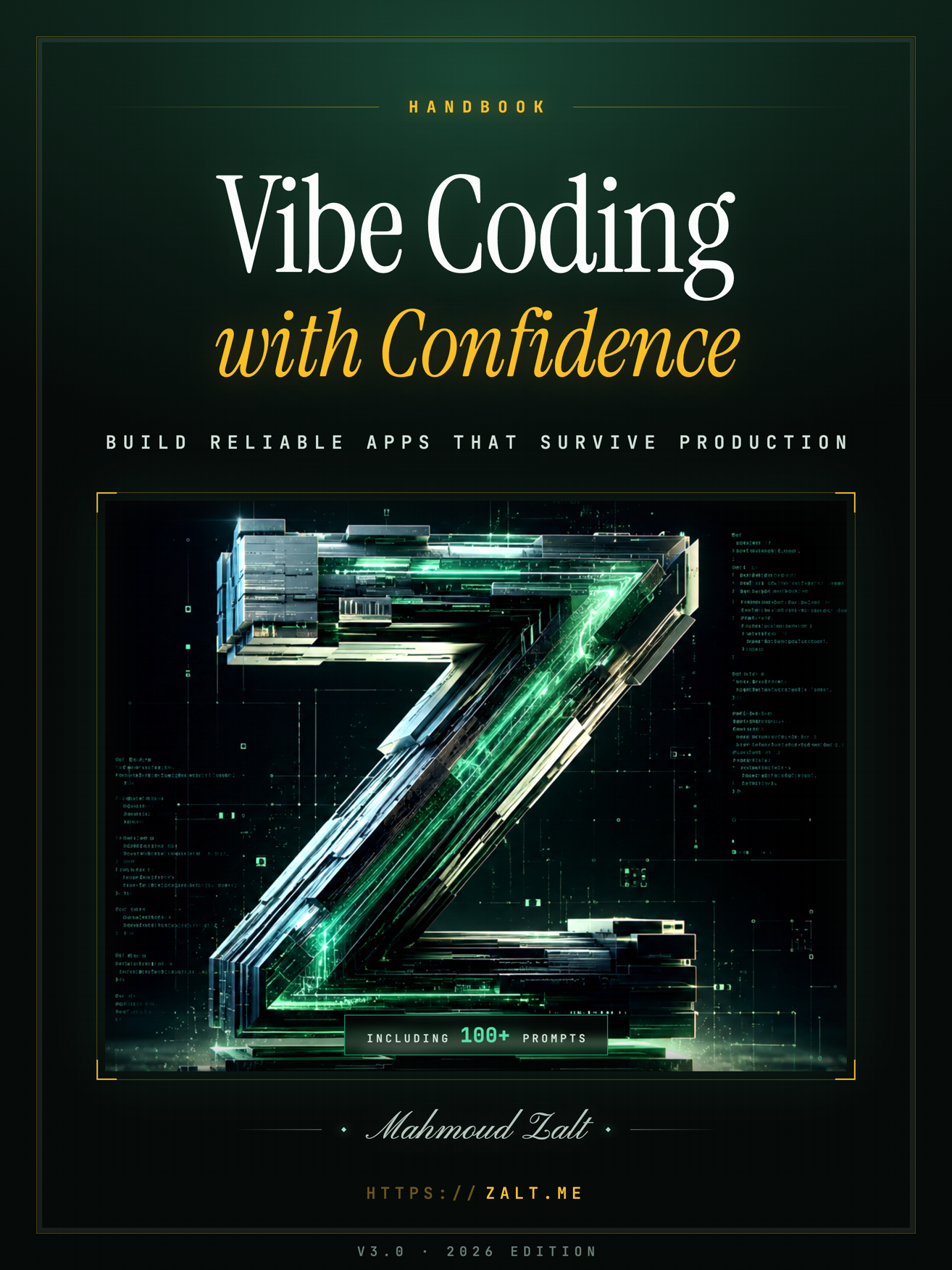
For a solo founder specifically, the reason this tops the list isn't sentiment, it's that a one-person team can't afford to buy three narrower books to cover planning, architecture, hardening, and shipping separately. This one handbook covers all of it in 142+ chapters, it's free to read at zalt.me/guides/vibe-coding, and it keeps getting updated rather than going stale the way a printed book does the day it hits shelves. It's also the only one on this list with copyable prompts built in, which matters more when you don't have a technical co-founder to sanity-check your prompting. No star ratings to point to yet, it doesn't have a storefront presence, but the scope and the zero price tag speak for themselves for a bootstrapped solo build.
2. The Vibe Coding Playbook by Siraj Raval: Built for the Non-Technical Founder
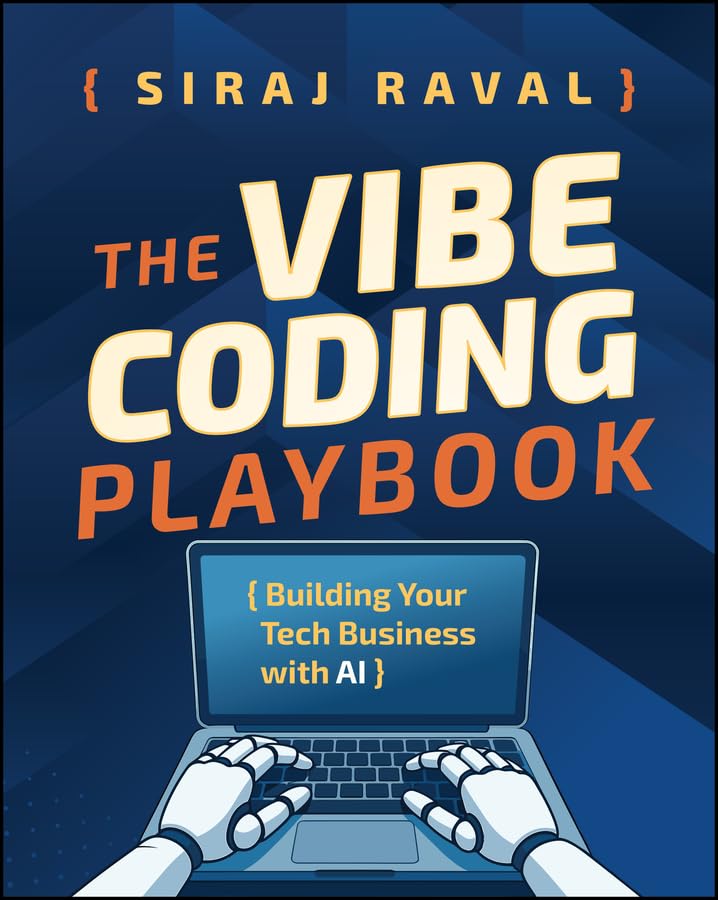
Full title The Vibe Coding Playbook: Building Your Tech Business with AI, published by Wiley. This one is written directly for a solo founder's actual mental model, treat the AI as your technical co-founder, and it's genuinely strong on the part most engineering books skip: how to pick a problem worth building for in the first place. Where it thins out is engineering rigor, it won't teach you to harden what you ship, so pair it with something more technical rather than treating it as the whole plan. Get it on Amazon, and I've gone deeper in a full review.
3. Anyone Can Vibe Code by Marcus Valen: Only If You've Never Coded
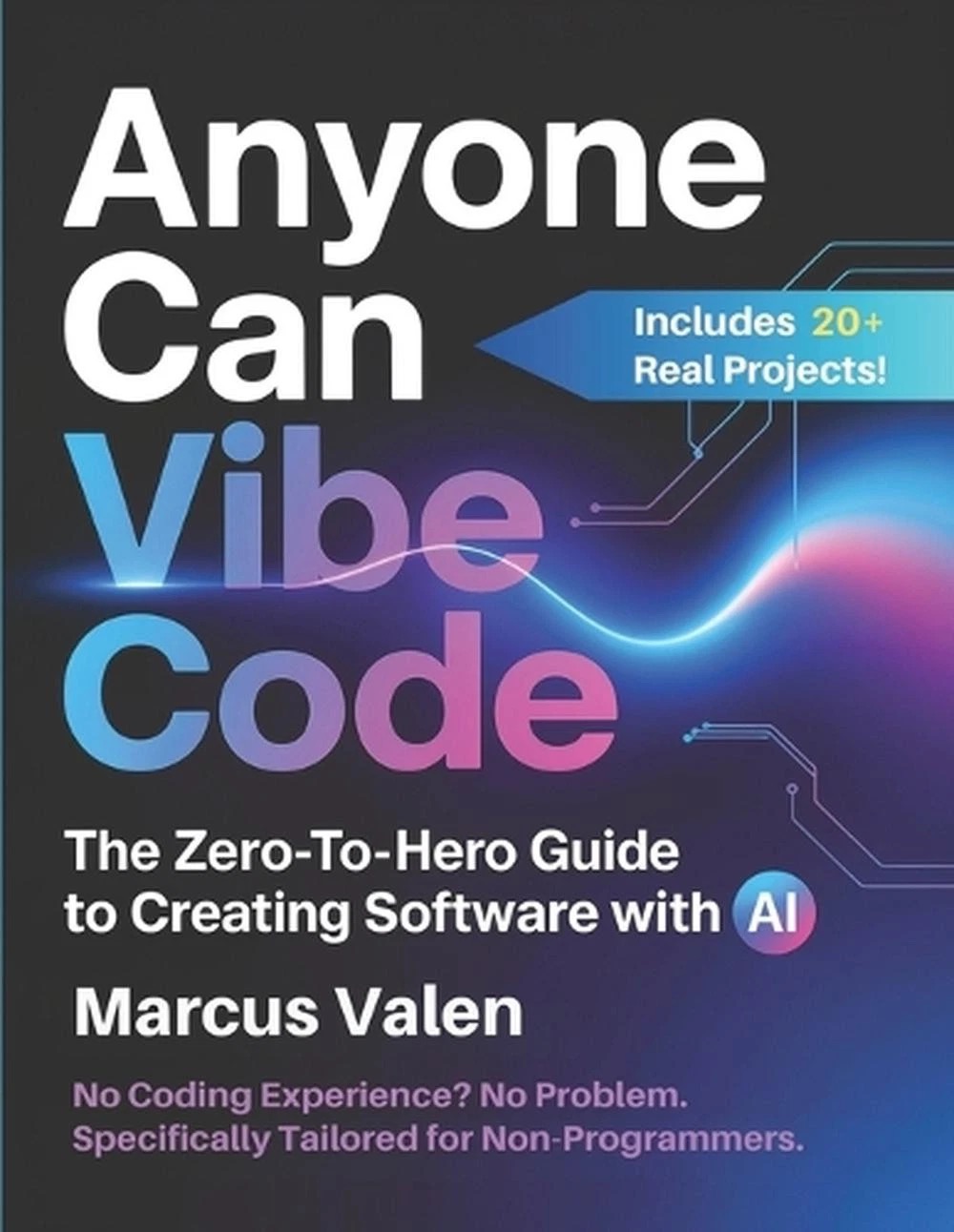
Self-published, pitched squarely at a zero-to-hero founder who's never written a line of code before, and honest about being an entry point rather than a full production guide. It's sold mainly through secondary marketplaces and doesn't have an independent review base yet, so weigh it as an unproven starting point, not a vetted recommendation. If you're a true beginner founder, it's a reasonable on-ramp before you move to something with more depth. Listed on eBay.
4. Vibe Coding Millionaire: Read the Room, Not the Promise
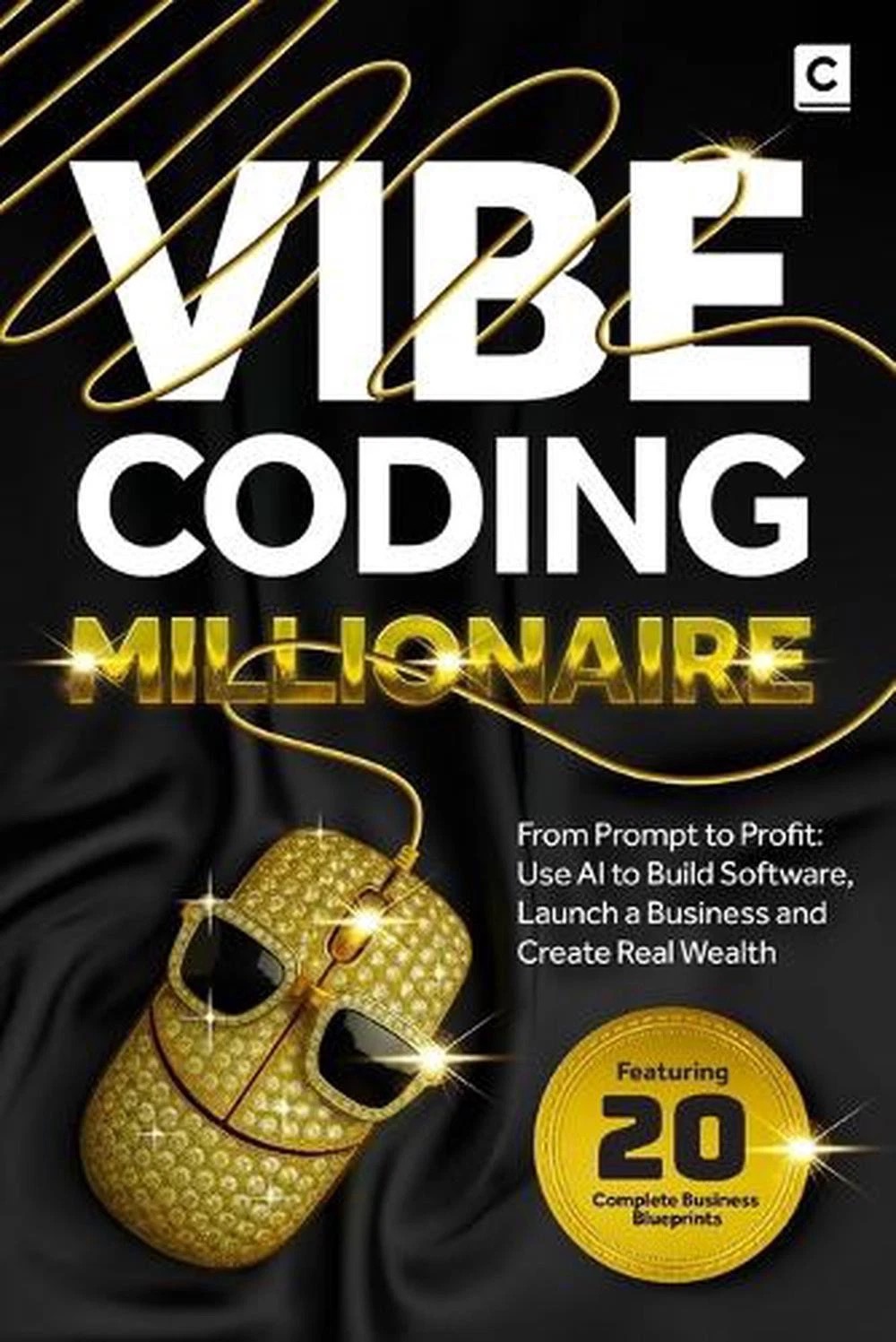
Full title Vibe Coding Millionaire: From Prompt to Profit, self-published by Codapress Publishing. I'm including it for completeness, not as a real recommendation, because a solo founder is exactly the audience an income-promise title like this targets. The framing, prompt straight to profit, deserves open skepticism: there's no independent review base, and "millionaire" in the title is doing a lot of work a self-published info-product can't actually back up. If you're evaluating vibe coding books as a founder, this is the one to recognize and route around, not the one to buy first. Listed on eBay.
Frequently Asked Questions
Do I need an engineering-focused book if I'm solo?
You need engineering depth from somewhere, whether that's a full-lifecycle handbook or a fractional technical advisor, the business-only titles won't cover it for you.
Is it worth paying for a business-only vibe coding playbook?
If problem selection and positioning are genuinely your weak spot, yes, that's a real gap most technical books skip.
How do I spot a book that's overpromising?
Watch for income-guarantee framing in the title itself and an absence of any independent review base, that combination is the tell.
Start With the Free Full-Lifecycle Option
As a solo founder, the free handbook covers the ground you can't afford to buy piecemeal, then layer in Raval's playbook if problem selection is your specific gap.