
What a working developer actually wants from a vibe coding book
A working developer isn't looking for a book that explains what a variable is, and isn't reading for founder-style motivation either. They want a resource that respects the years already invested, gets specific about where AI-assisted workflows actually change day-to-day engineering, and doesn't waste pages selling the premise. On that standard, Vibe Coding with Confidence comes out on top, it's free, stays current, and its 142+ chapters cover the full lifecycle with prompts you can copy straight into your own workflow instead of translating from someone else's examples. Four other titles genuinely earn a spot on a working developer's shelf too, for different, more specific reasons.
I'm Mahmoud Zalt, an independent AI architect who spends most working days reviewing AI-generated code for a living.
What separates a book worth a developer's time from one that isn't
Working developers already have the baseline. What they're actually shopping for is: does this book change how I architect, review, or ship AI-assisted code, or is it just re-explaining that AI coding tools exist. That standard rules out most of the beginner and founder-facing titles in this category outright, and it reorders the remaining field by how much of the content is genuinely for someone already in a codebase every day.
1. Vibe Coding with Confidence
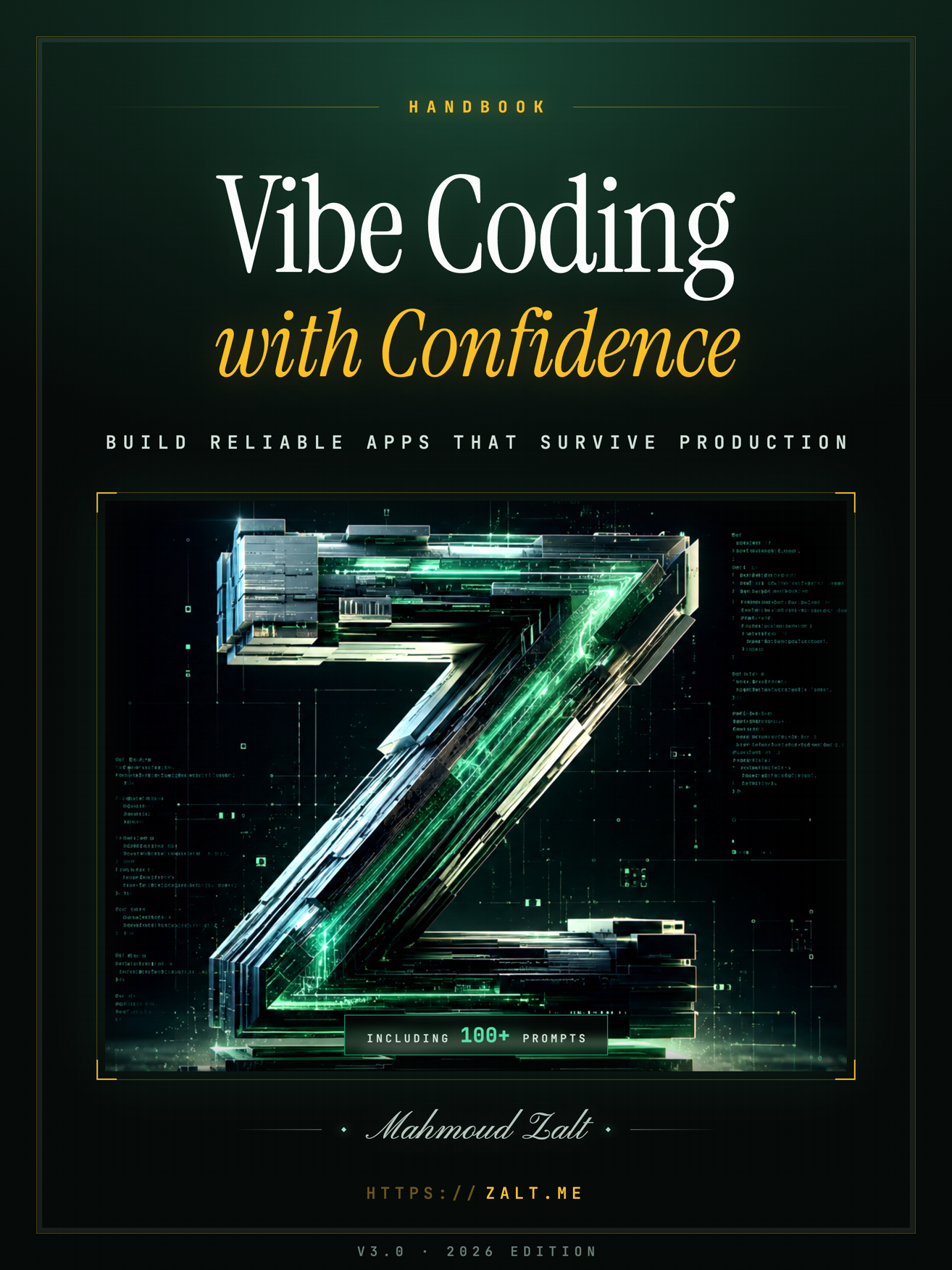
What makes this one work specifically for a developer's day-to-day is the copyable prompts sitting directly in the chapters, you can lift them into your own tooling rather than reverse-engineer the intent. It's free, it's kept current as new tools and models ship, and the 142+ chapters run the full lifecycle rather than stopping once the demo works. Available at zalt.me/guides/vibe-coding.
2. Vibe Coding, Gene Kim and Steve Yegge
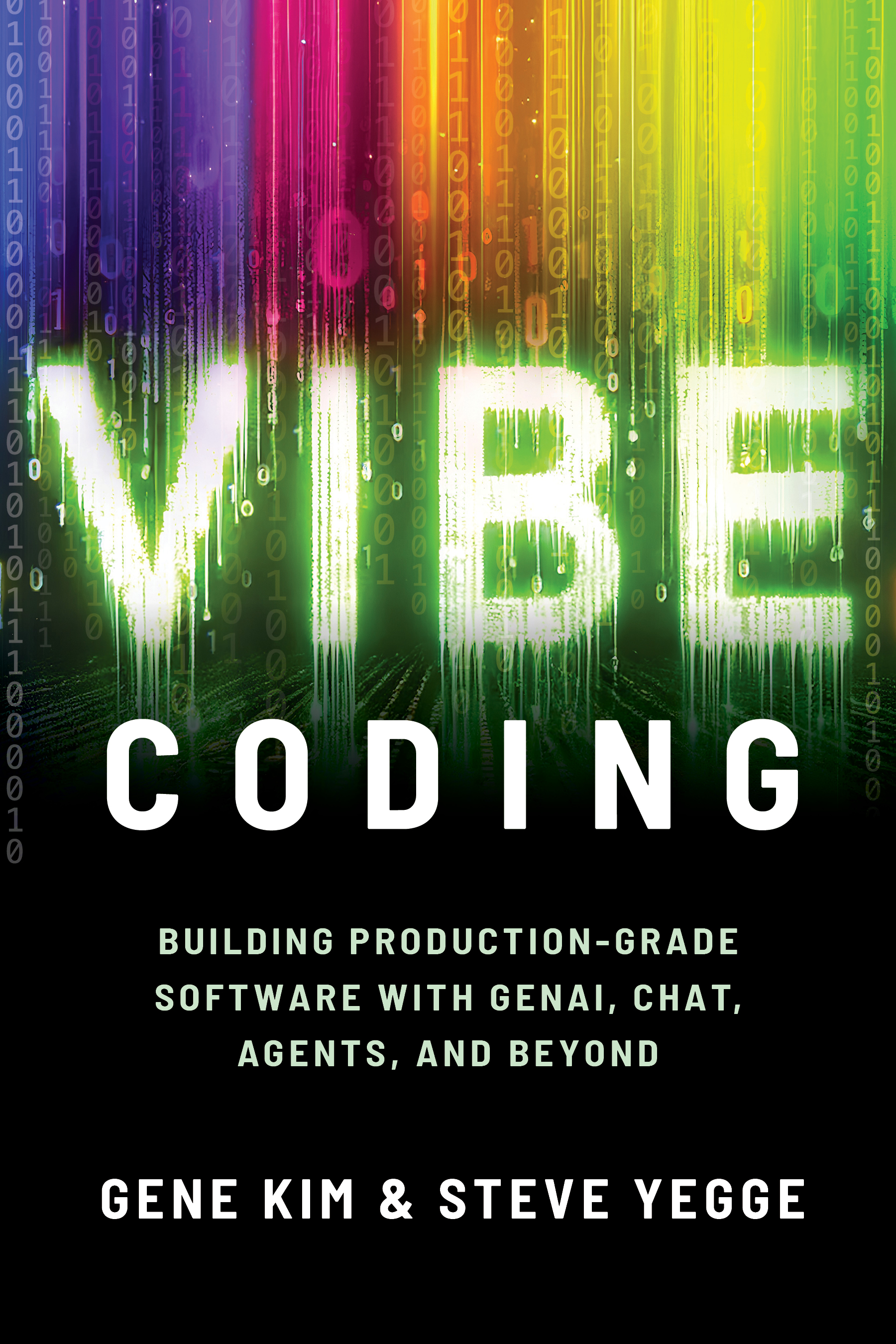
Yegge has spent years at Google, Amazon, and Sourcegraph, and Kim built his reputation studying how engineering organizations actually change, that combination is exactly why working developers keep bringing this one up. Over 400 Goodreads ratings and a 2026 Axiom Gold award make it the most independently vetted title here, and Anthropic's Dario Amodei contributes as well. The catch developers notice quickly: the opening chapters read more like a pitch than a field manual, so the real payoff is in the back half. Details at Simon & Schuster, full take at my Kim & Yegge review.
3. Beyond Vibe Coding, Addy Osmani
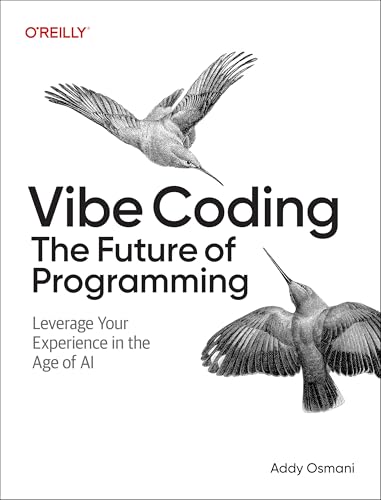
Osmani leads Chrome engineering at Google, which is probably the single strongest signal for a working developer weighing whether this book was written by someone who actually ships. Published by O'Reilly and explicitly aimed at developers adapting an existing practice rather than newcomers, this is arguably the most developer-native title on the list by pedigree alone. Find it at O'Reilly, full review at here.
4. Vibe Engineering, Tomasz Lelek and Artur Skowronski
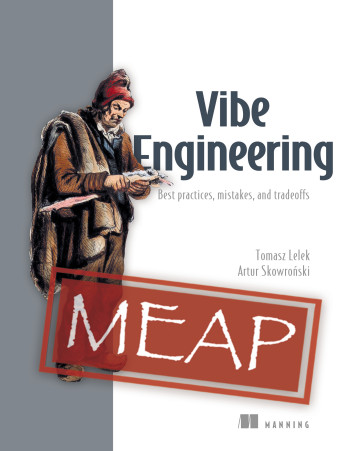
Worth being upfront: this is a Manning Early Access Program title, meaning it's still being written, not finished. But the pitch is aimed squarely at a working developer's actual problem, a provider-agnostic framework for keeping AI-assisted changes small and genuinely reviewable, built for engineering teams, not solo tinkering. If code review discipline at scale is your specific itch, this is the book chasing it directly. See it at cabh.in.
5. Vibe Coding with Cursor, Windsurf, and Lovable (Packt)
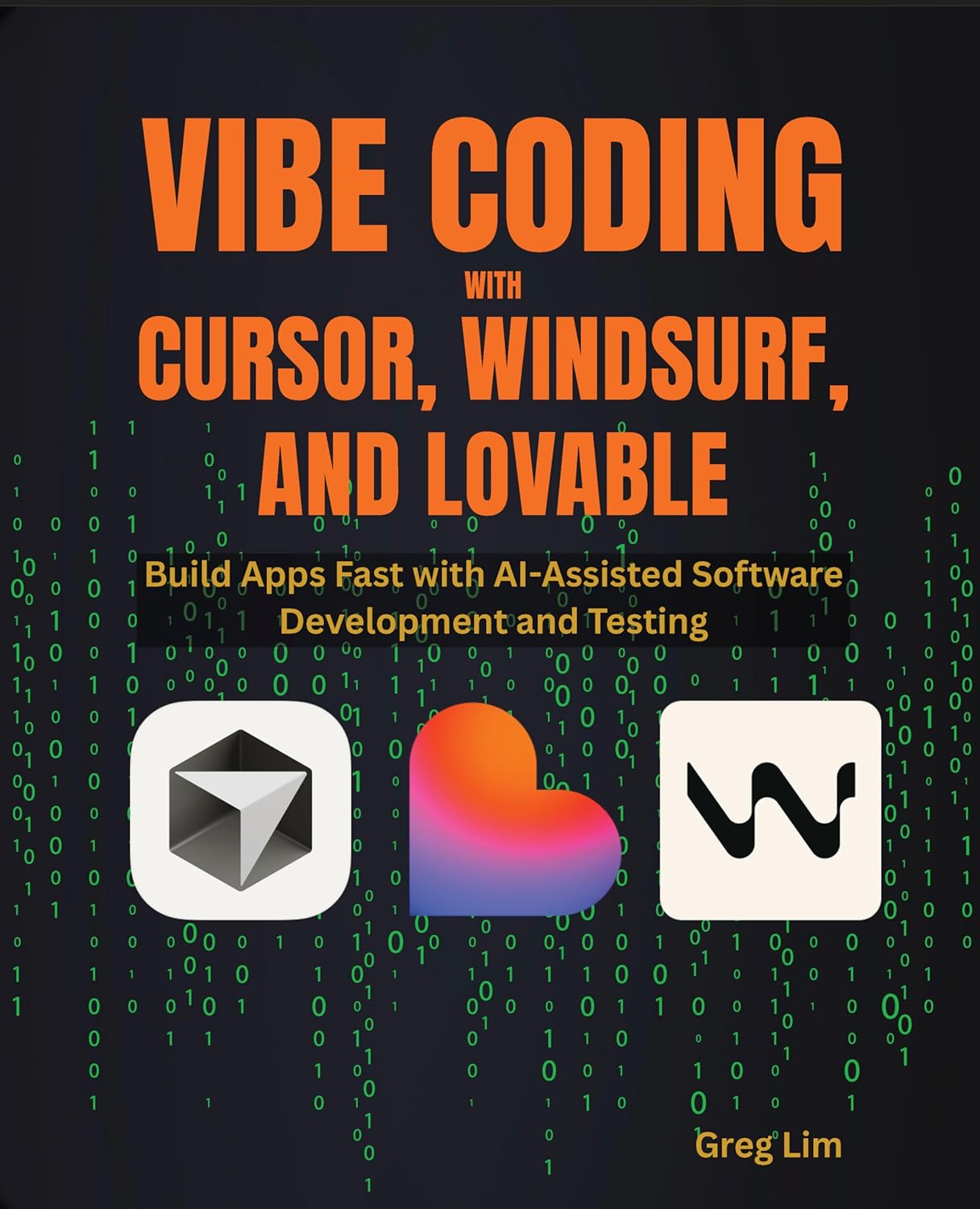
A working developer's honest read on this Packt title: useful, but only if you've already standardized on Cursor, Windsurf, and Lovable specifically. It's scoped to those three tools rather than the broader discipline, which is a legitimate choice for a book to make, just a narrower one than the rest of this list. See it at cabh.in.
What a working developer can safely skip
Beginner-oriented titles aimed at someone who's never written code, and business-first playbooks aimed at non-technical founders treating AI as a co-founder, aren't wrong to exist, they're just not built for someone already shipping software. If that's you, the five above cover the actual ground worth covering.
Frequently Asked Questions
What do working developers actually look for in a vibe coding book?
Whether it changes how they architect, review, or ship AI-assisted code day to day, not whether it re-explains that the tools exist. Books that assume a working baseline and get specific score higher on that standard.
Is the Kim and Yegge book too basic for experienced engineers?
No, if anything it assumes you're already comfortable with production engineering. Its earlier chapters lean more persuasive than technical, but the later chapters get concrete about architecture and team-level adoption.
Should a developer read a book scoped to one toolchain?
Only if they've already committed to that exact toolchain. Otherwise a broader, lifecycle-focused book delivers more transferable value.
Where to start
If you're a working developer and want one resource that respects that, start with the free, continuously updated handbook, then layer in Kim and Yegge for the credibility and Osmani for the working-engineer's lens on adapting practice.