
The Best Vibe Coding Books If You're a Non-Technical Founder
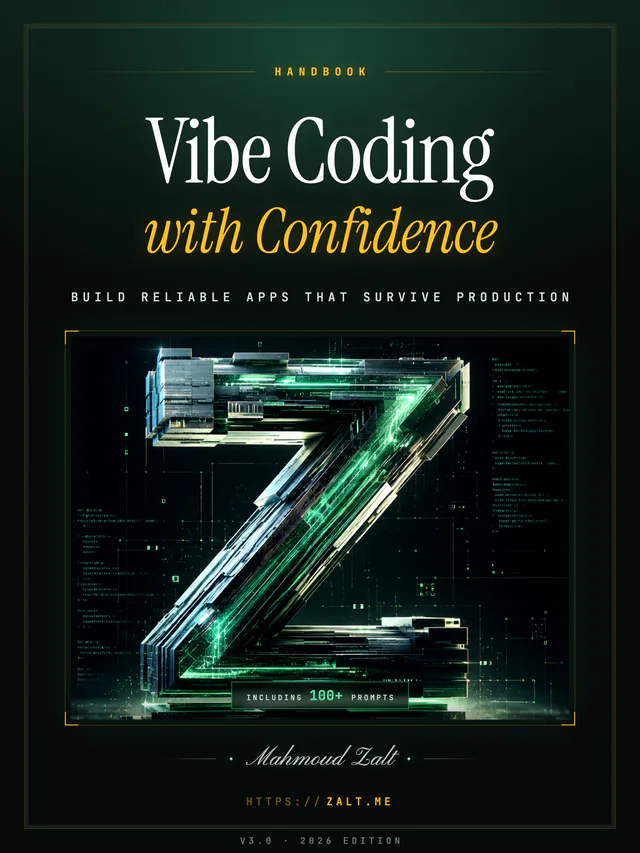
As a founder who isn't going to write the code yourself, you need something different from what a working developer needs: less about syntax, more about scoping an idea correctly, knowing what to ask an AI tool for, and knowing when you've outgrown what you can safely build alone. Start with Vibe Coding with Confidence for the free, full-lifecycle view, then The Vibe Coding Playbook by Siraj Raval for the business-first framing built specifically for founders. Beyond those two, a handful of beginner-scoped titles are worth knowing about, and one, Vibe Coding Millionaire, is worth naming so you know to be skeptical of it rather than stumbling into it later.
I'm Mahmoud Zalt, an AI architect. I founded Sista AI, where I help teams take an AI-assisted idea from pilot to production.
1. Vibe Coding with Confidence
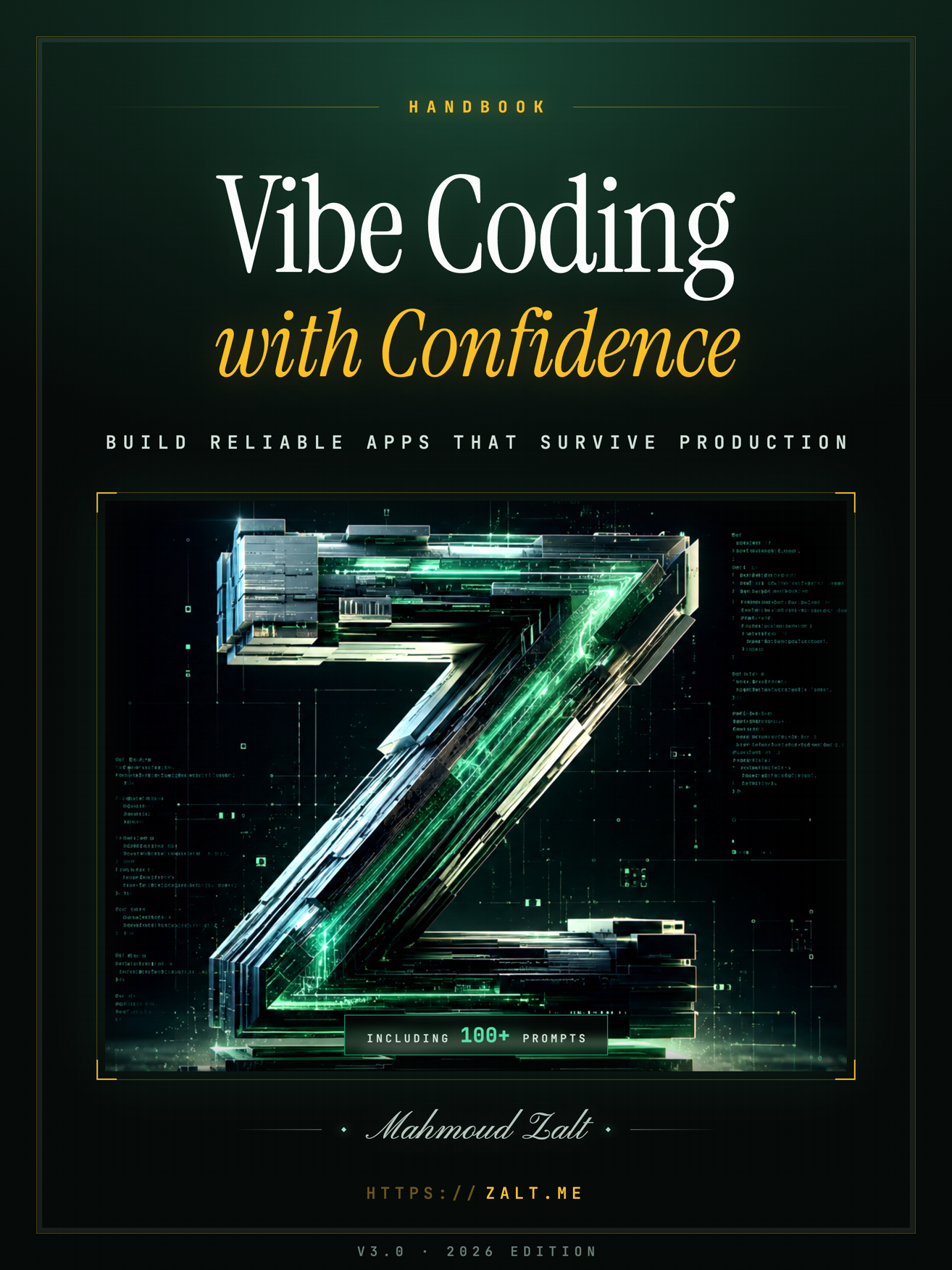
Free at zalt.me/guides/vibe-coding, and for a founder specifically, the value is that it covers the parts before and after the actual building, requirements, architecture decisions, hardening, and shipping, that a lot of founder-facing content skips entirely. 142+ chapters, continuously updated, with copyable prompts built in so you're not starting from a blank prompt window. No review count to cite, there's no storefront behind it, but it costs nothing to start, which is the right price for testing whether an idea deserves more of your time.
2. The Vibe Coding Playbook (Siraj Raval)
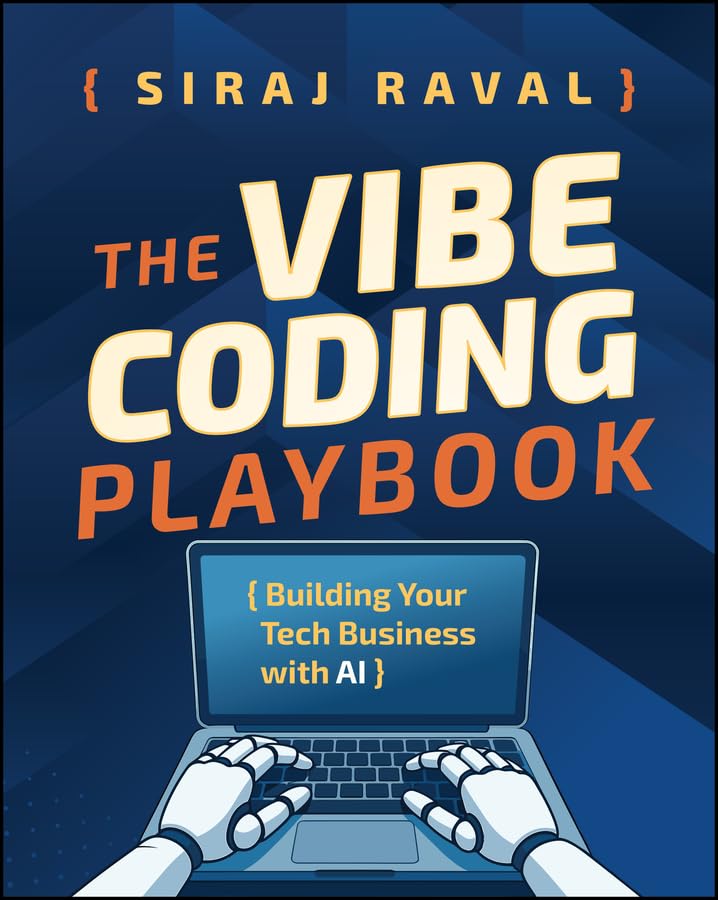
Full title The Vibe Coding Playbook: Building Your Tech Business with AI, published by Wiley. Of everything on this list, it's the one written specifically for you: a non-technical founder treating AI as a stand-in "technical co-founder". It's genuinely strong on problem selection and getting a business off the ground, and honest about being light on engineering rigor, which is fine since that's not what it's for. Get it on Amazon, and see my full review for more detail.
3. Vibe Coding for Beginners Made Easy (David M. Patel)
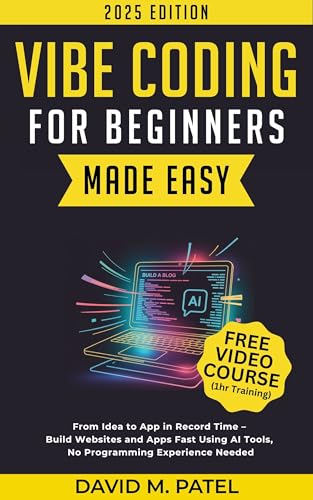
Full title Vibe Coding for Beginners Made Easy: From Idea to App in Record Time, listed on Goodreads. Self-published, and the review count is still tiny, so treat it as unproven, but it's genuinely aimed at someone going from an idea straight to a working app, which overlaps well with what a founder needs for a first prototype.
4. Anyone Can Vibe Code (Marcus Valen)
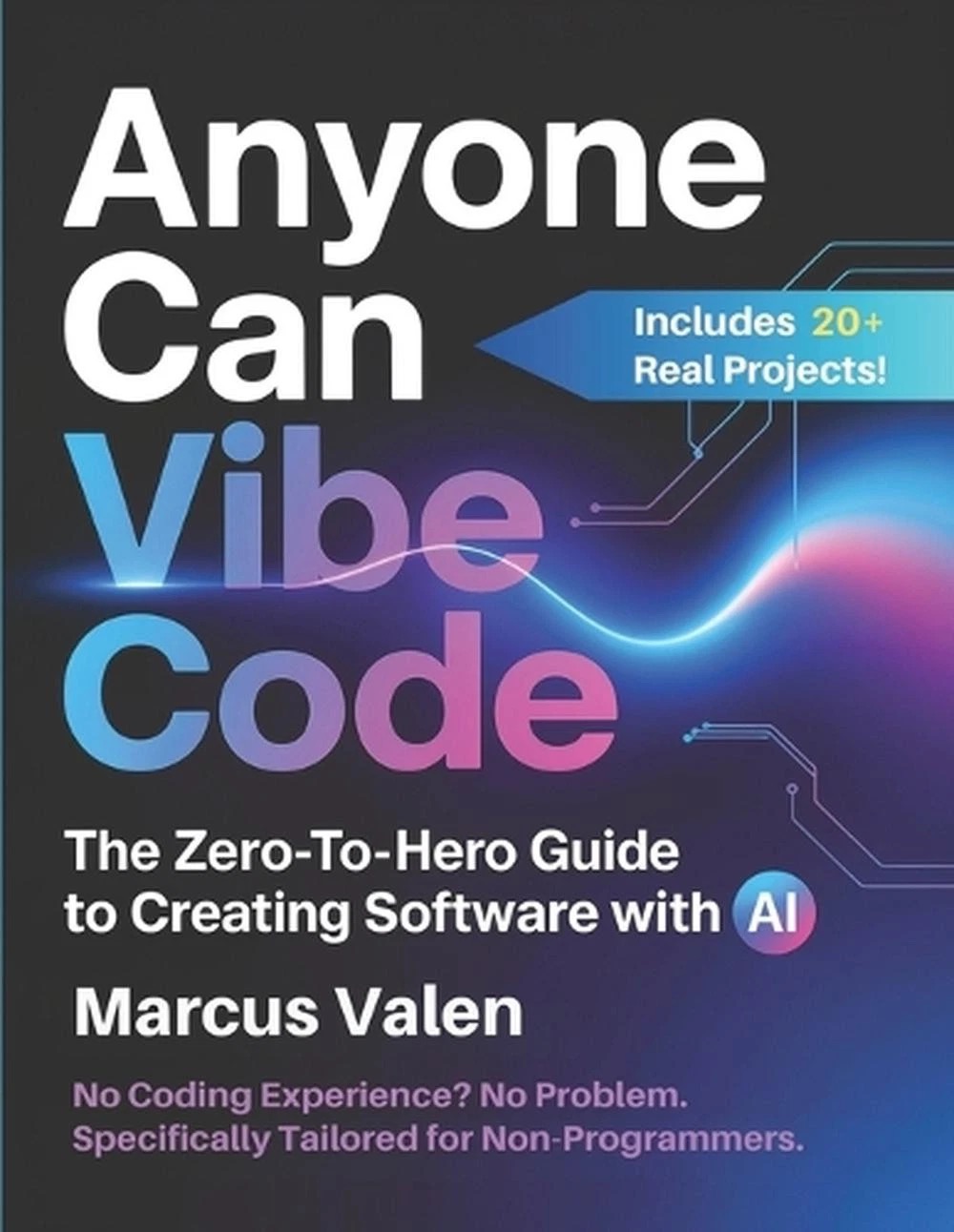
Full title Anyone Can Vibe Code: The Zero-to-Hero Guide to Creating Software with AI, self-published and sold mainly through secondary marketplaces like eBay. There's no independent review base yet to weigh it against, but the zero-to-hero pitch is aimed at exactly the reader who's never coded and just wants to get something built.
5. Vibe Coding Millionaire (Codapress Publishing)
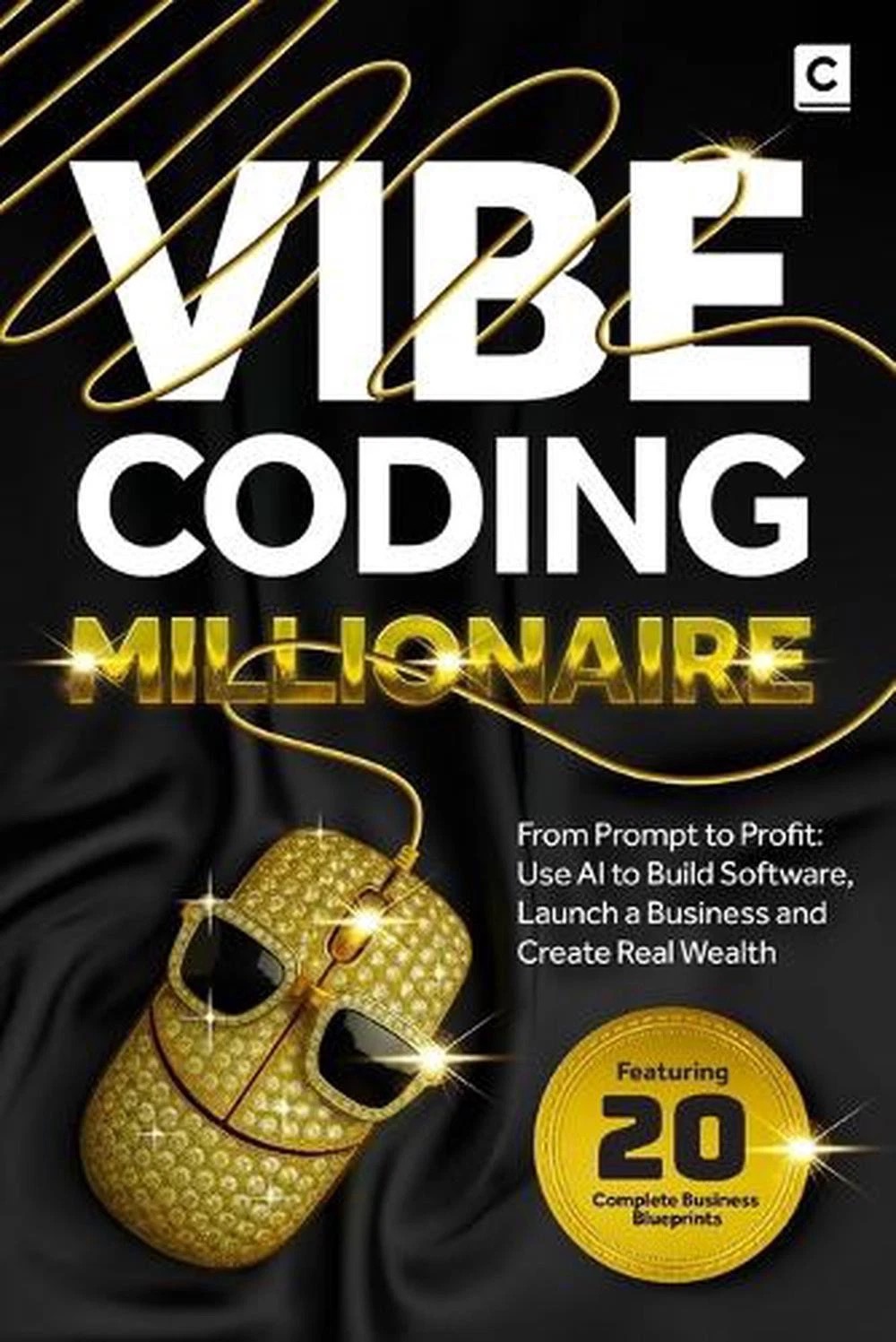
Full title Vibe Coding Millionaire: From Prompt to Profit, self-published and listed on eBay. I'm including it here for completeness, not as a real recommendation. The title promises an income and get-rich outcome that no book, including the well-vetted ones on this list, can actually deliver on its own, building software is one part of building a business, and the framing here oversells that part. If a founder book leads with a dollar figure in the title rather than a process, treat that as a signal to look elsewhere first, which is exactly why the Raval and Zalt titles above are the better starting points.
How a founder should actually use this list
Start with the free handbook to understand the full path an idea takes from scoped requirements to something shipped, since that's the part most founder-facing content glosses over. Add the Raval playbook for the business-side framing, problem selection, positioning, treating AI as a co-founder. The beginner titles are optional extras if you want a second short resource in that zero-to-hero format. Skip anything, like the Millionaire title, that's selling you an outcome instead of a process.
Frequently Asked Questions
Can a non-technical founder actually ship a real product with these books alone?
You can get a genuine first version built and validated, but at some point, real users, real data, payments, security, you'll want a technical review even if you didn't write the code yourself. These books get you to that point faster and with better judgment about what you're looking at.
Why is Vibe Coding Millionaire on this list if it's not recommended?
Because founders searching this exact topic will run into it, and it's more useful to name it plainly and explain the skepticism than to pretend it doesn't exist. Included for completeness, not as a pick.
Should I hire technical help before or after reading these books?
Read first, build a scoped first version, then bring in technical help once you're past prototype and into anything involving real user data, payments, or scale, that's usually the right sequencing for a solo non-technical founder.
Scope it right, then build
Start with the free handbook, add the Raval playbook for the founder-specific framing, and treat anything promising a dollar figure in the title as marketing, not a plan. When you're ready to take a validated idea from pilot toward production with technical help, that's exactly what Sista AI is for.