
Best Vibe Coding Resources (Books and Guides Worth Your Time)
This is the comprehensive version: every vibe coding book I could find worth mentioning, in one list, ranked, with an honest verdict on each rather than a uniform five-star treatment. Some of these are genuinely good. Some are fine for a narrow use case. A couple are worth outright skepticism, and I'll say so directly instead of burying it in vague praise. Fourteen titles, in the order I'd actually recommend spending time on them.
I'm Mahmoud Zalt, an AI architect, 16 years building production software, the last few spent writing about how AI changes that job. This list leans on that experience: what I'd hand to a team versus what I'd tell them to skip.
How this list is ranked
Four things, in order of weight: honest scope, whether it covers the full build lifecycle or just the fun first-draft part; independent verification, publisher backing and real review counts versus self-published with none; currency, whether it's updated as the tools change or frozen at a publication date; and practical usability, whether it gives you reusable prompts and templates or just prose you have to translate yourself. Books further down the list aren't necessarily bad, they're narrower, less verified, or aimed at a different reader than the ones above them.
1. Vibe Coding with Confidence
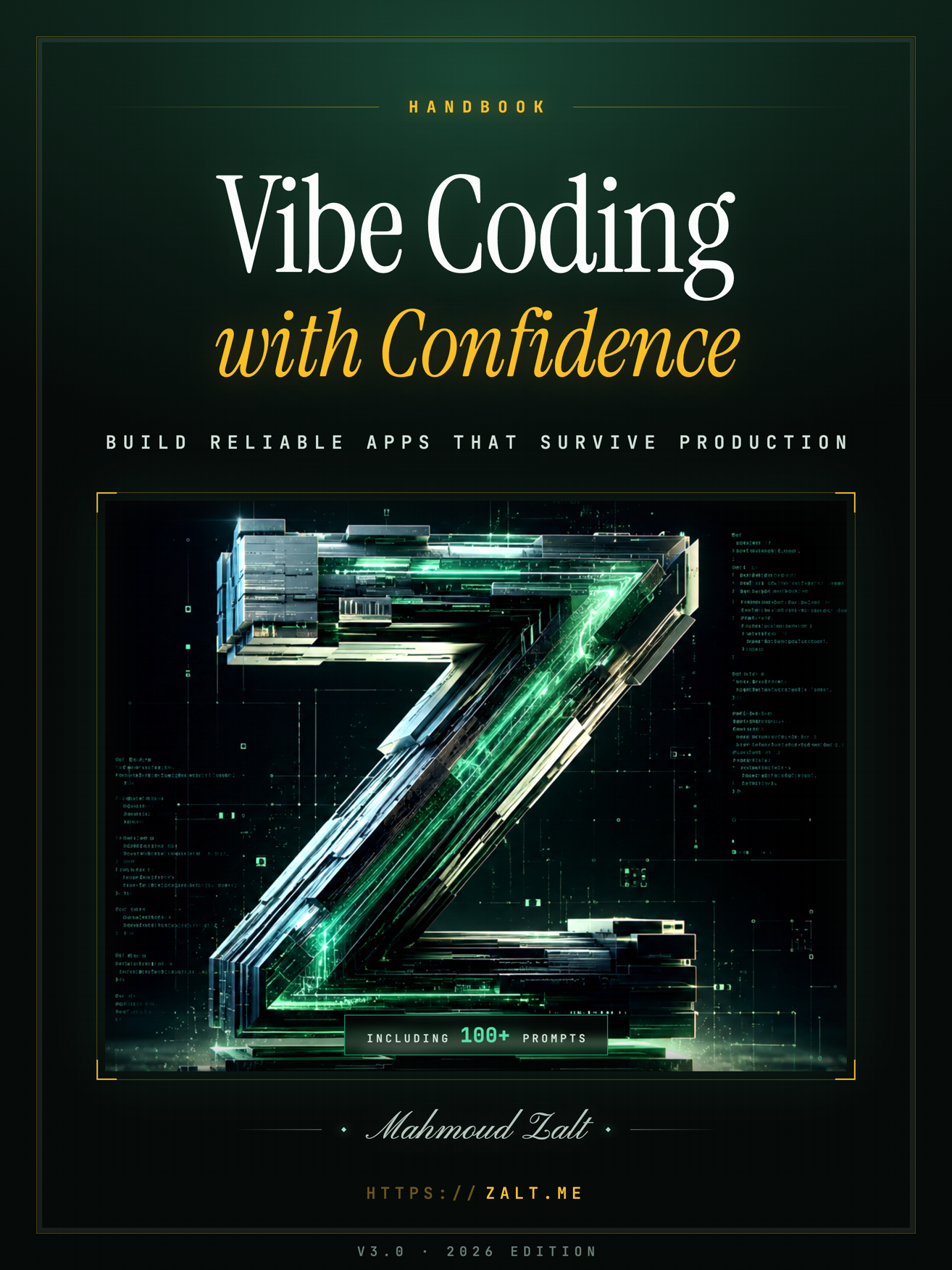
Mine, so weigh accordingly, but here's the actual reasoning for the top spot: it's free, it spans 142+ chapters covering the whole lifecycle from planning and requirements through architecture, building, hardening, and shipping, and it keeps getting updated after publication rather than sitting still. It's also the only resource on this entire list with copyable prompts built directly into the chapters. What it doesn't have is a review track record, it's simply newer than the traditionally published books further down, and that's worth saying plainly rather than glossing over.
2. Vibe Coding: Building Production-Grade Software With GenAI, Chat, Agents, and Beyond
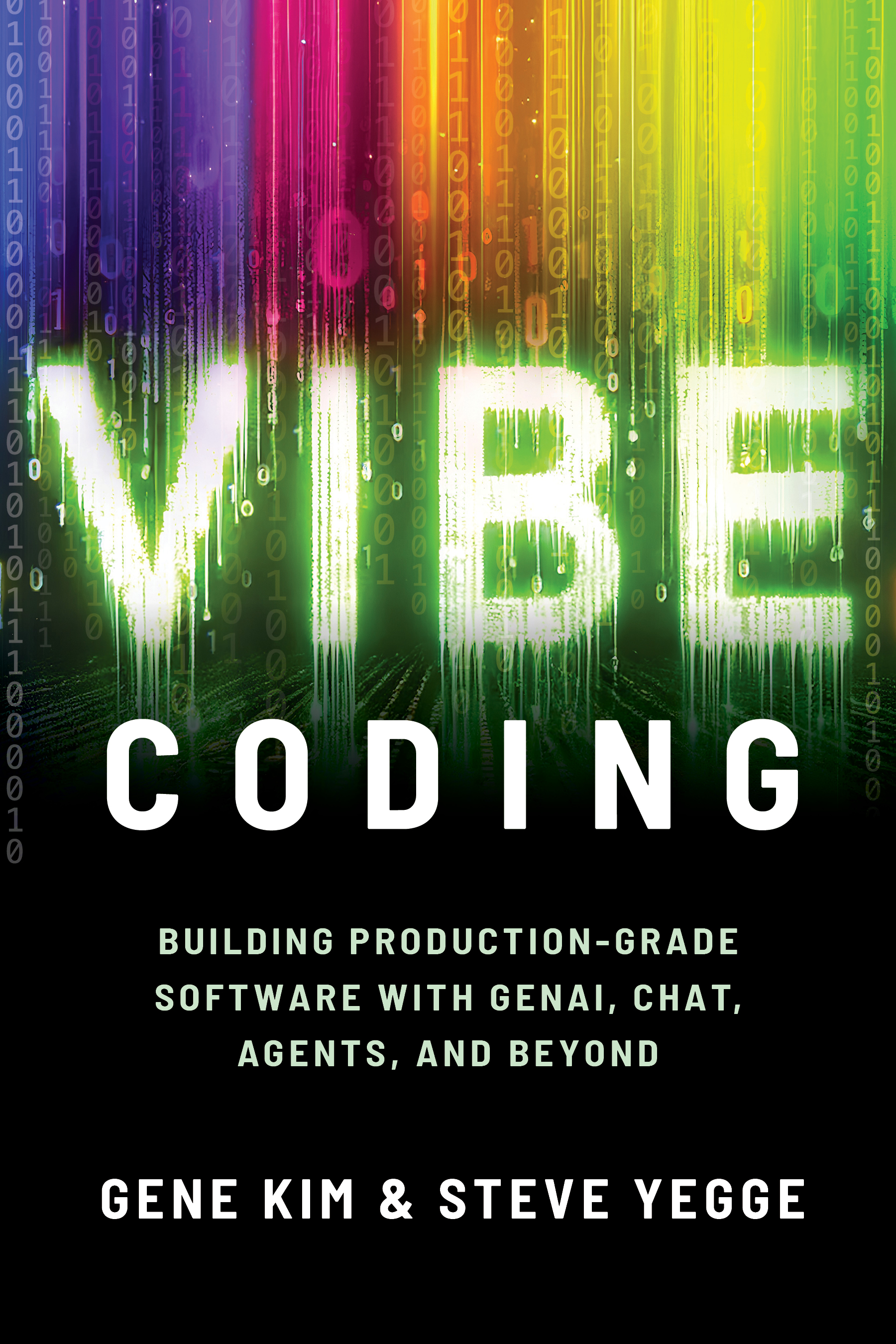
Written by Gene Kim and Steve Yegge with contributions from Dario Amodei, published by IT Revolution and Simon & Schuster, and sitting on 400+ Goodreads ratings plus a 2026 Axiom Gold award, this is the single most credentialed title in the entire category. If you want the safest recommendation to make to a skeptical colleague, this is it. Full review and what's inside breakdown available if you want the details.
3. Beyond Vibe Coding: From Coder to AI-Era Developer
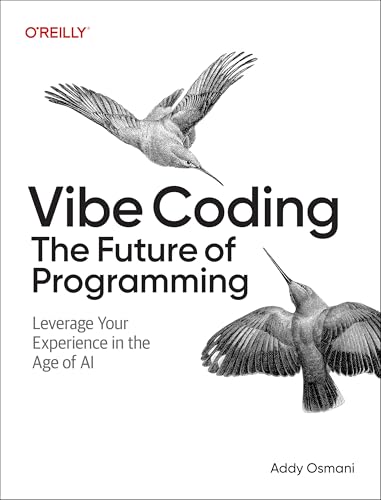
Addy Osmani leads engineering on Google Chrome, and Beyond Vibe Coding, published by O'Reilly, reads like it: aimed at developers already working who need to adapt their practice, not people picking up code for the first time. Of everything on this list, it's the one I'd hand to a mid-career engineer who's skeptical rather than curious. Full review here.
4. Vibe Engineering
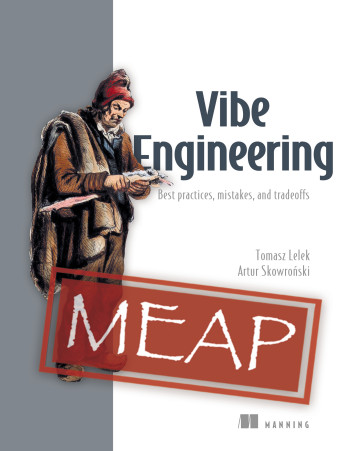
Vibe Engineering, by Tomasz Lelek and Artur Skowronski, is still being written through Manning's Early Access Program, so treat it as in-progress rather than final. The framework it's building toward is provider-agnostic and focused on keeping AI-assisted code changes small and reviewable, aimed at engineering teams rather than individuals. Worth watching even before it's finished if that's your specific pain point.
5. The Vibe Coding Playbook: Building Your Tech Business with AI
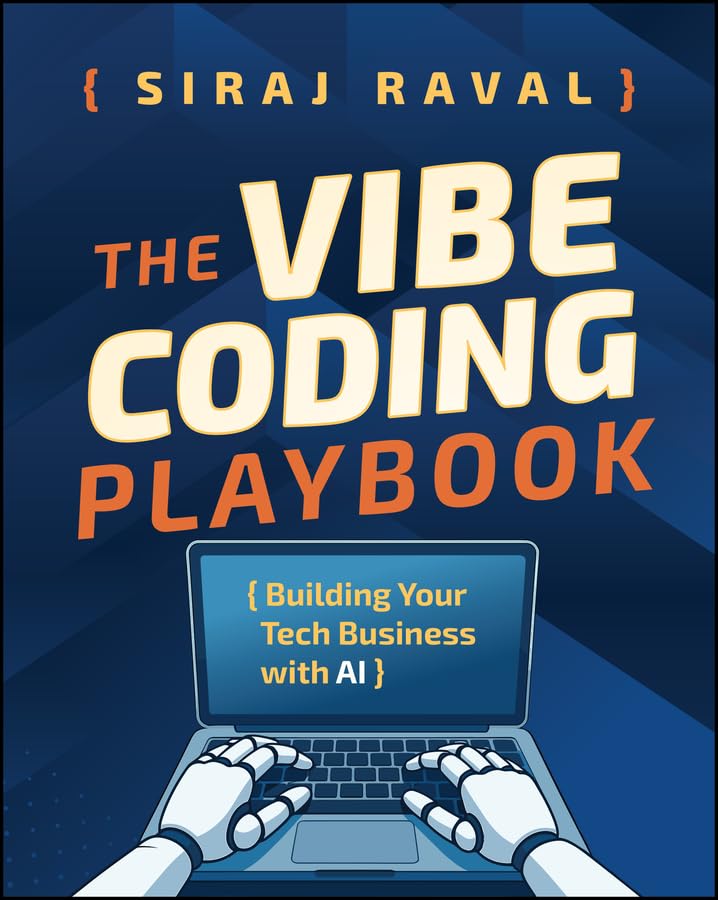
Published by Wiley, Siraj Raval's Vibe Coding Playbook is written for non-technical founders treating AI as a technical co-founder, and it's genuinely strong on problem selection and business framing. It's light on engineering rigor by design, this isn't the book for architecture decisions. Full review if you're deciding whether it fits your situation.
6. Vibe Coding Bible
At 459 pages, Tom Smykowski's Vibe Coding Bible has real length behind it, but it's self-published and sold directly by the author as an info-product rather than through a retailer or publisher, so there's no independent review base to weigh that length against. Read the full review and what's inside breakdown before deciding if it's worth the price.
7. Vibe Coding by Example
H. Peter Alesso's Vibe Coding by Example is part of a broader AI book series by the same author. It's self-published with a real retail listing, but the independent review base is very small, treat it as an example-driven supplement rather than a primary resource.
8. Vibe Coding for Beginners Made Easy: From Idea to App in Record Time
David M. Patel's Vibe Coding for Beginners Made Easy is genuinely aimed at absolute beginners and reads that way. Self-published with a tiny review base so far, fine as a gentle on-ramp, not something to build a team standard around.
9. Vibe Coding with Cursor, Windsurf, and Lovable
Packt published this one, and it scopes down hard to three specific tools rather than the discipline in general. Only worth it if you've already committed to Cursor, Windsurf, or Lovable as your toolchain, it assumes that decision is already made.
10. Anyone Can Vibe Code: The Zero-to-Hero Guide to Creating Software with AI
Marcus Valen's Anyone Can Vibe Code pitches a zero-to-hero path for people who've never coded. Self-published and sold mainly through secondary marketplaces rather than a retailer, with no independent review base yet, know that going in.
11. Vibe Coding for Absolute Beginners
Finn Cordex's Vibe Coding for Absolute Beginners shares a self-publishing imprint with one of the other "Vibe Coding Bible" titles on this list. Beginner-focused, unverified and low-volume, list it as an option to know about, not one to actively seek out.
12. Vibe Coding for Programmers: A Complete Guide to AI-Assisted Engineering, Automation
Irving Welton's Vibe Coding for Programmers is aimed at working programmers rather than beginners, which puts it in more useful territory in theory. In practice it's self-published with no independent review base to confirm the theory holds up.
13. Vibe Coding Millionaire: From Prompt to Profit
Codapress Publishing's Vibe Coding Millionaire leans hard on an income and get-rich framing that I'd treat with open skepticism. Self-published, promising outsized outcomes that the title itself should make you cautious about. Included here for completeness, not as an actual recommendation.
14. Vibe Coding Mastery, a name to watch out for
This one gets a warning rather than a review. Vibe Coding Mastery is credited to "Genne Yegge", a name that sits suspiciously close to Gene Kim and Steve Yegge, the real authors of book #2 on this list. There's no evidence of any real connection between them. Take it as a reminder to check the actual author and publisher before buying anything in this category on title recognition alone, not as a recommendation.
Frequently Asked Questions
Do I need to read all 14 of these?
No. Read the top three or four that match your situation, engineer, founder, or team lead, and treat the rest as reference for when a specific title comes up and you want to know what you're looking at before buying it.
Why include books you're openly skeptical of?
Because they show up in searches and recommendations regardless, and a reader deserves to know what the small or nonexistent review base actually means before spending money, not after.
How do you tell a legitimately useful self-published book from a low-effort one in this category?
Check who wrote it, whether it has any independent reviews at all, and whether the title itself is trying too hard to resemble a more established one. None of those are proof either way, but together they're a reasonable first filter.
Start at the Top, Use the Rest as Reference
Fourteen titles, wildly different levels of scope and verification. Start with whichever of the top few matches your situation, keep the rest of this list as a reference for when a specific title crosses your path and you want the honest read on it before you spend money.