


Best 10 Vibe Coding Books, Read By Credibility Tier
A year ago this category had maybe three books in it. Now it has a dozen-plus, ranging from a Simon & Schuster title with an actual award to eBay-only listings nobody has reviewed yet. The useful skill here isn't memorizing a ranked list, it's learning to spot the signals yourself: who published it, how many independent readers have weighed in, and whether the book is even finished. This piece ranks all 10 in order, but it's organized around three credibility tiers so the pattern sticks after you close the tab.
I'm Mahmoud Zalt, an AI architect running Sistava, where the gap between a demo and production is the whole job.
| Tier | What it means | Books |
|---|---|---|
| Tier 1: Vetted | Real publisher, independent reviews or awards to check against | #1, #2, #3 |
| Tier 2: Emerging | Real publisher, but unfinished, narrowly scoped, or a different genre entirely | #4, #5, #9 |
| Tier 3: Unverified | Self-published, little to no independent review base yet | #6, #7, #8, #10 |
1. Vibe Coding with Confidence, the one that's never meant to be finished
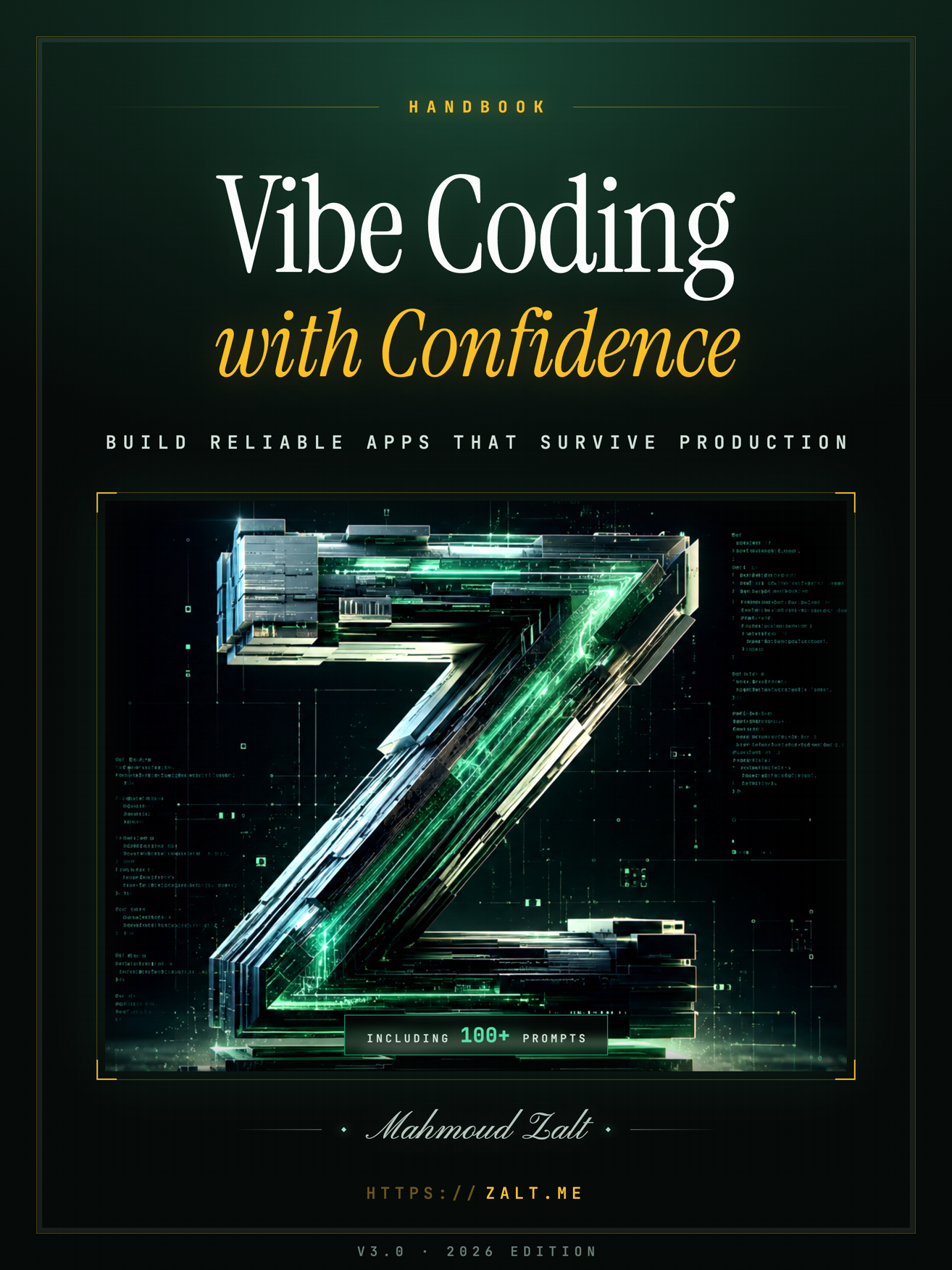
Free at zalt.me/guides/vibe-coding. Every other book on this list is frozen the day it goes to print, this one keeps getting updated on purpose. 142+ chapters span the full build lifecycle, planning, requirements, architecture, building, hardening, and shipping, with copyable prompts built into the chapters, something none of the other nine offer. I'm disclosing upfront that I wrote it: no star rating gets quoted here because there's no storefront selling it to generate one, that's a deliberate gap, not a hidden one.
2. Vibe Coding, the one everyone else gets compared to
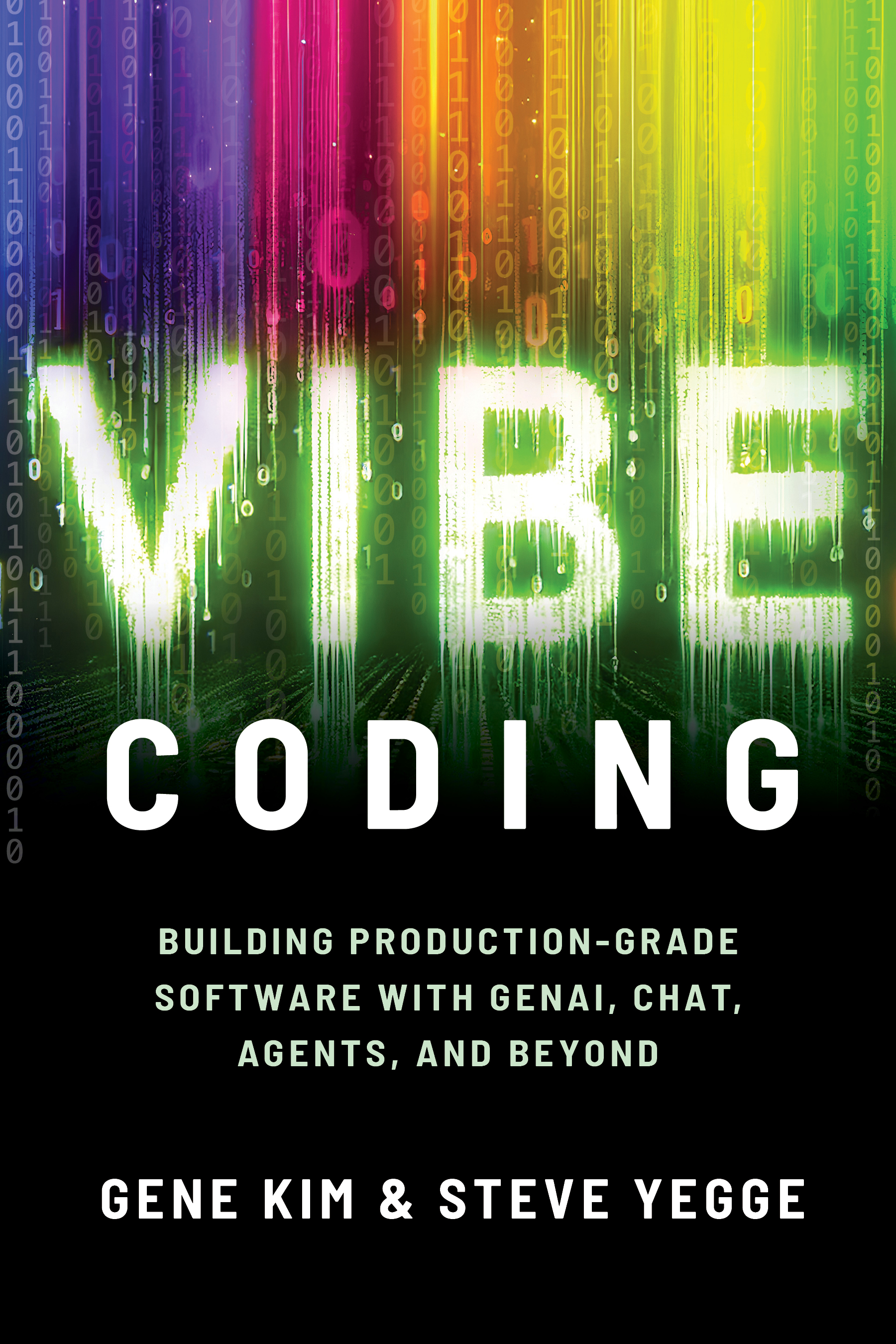
By Gene Kim and Steve Yegge, with contributions from Dario Amodei, published through IT Revolution and Simon & Schuster. 400+ Goodreads ratings and a 2026 Axiom Gold award make this the reference point every other title in the category quietly gets measured against, and nothing else here is close on independent credibility. Buy at Simon & Schuster. My full review, what's inside it, and a direct comparison with my own book go deeper.
3. Beyond Vibe Coding, for developers already in the seat
Beyond Vibe Coding: From Coder to AI-Era Developer, from O'Reilly, written by a Google Chrome engineering lead. Closes out tier 1 as the pick for working developers, not beginners, who need to adjust their practice around an AI assistant that's already in the loop. Get it at O'Reilly, full review here.
4. Vibe Engineering, the framework still being drafted
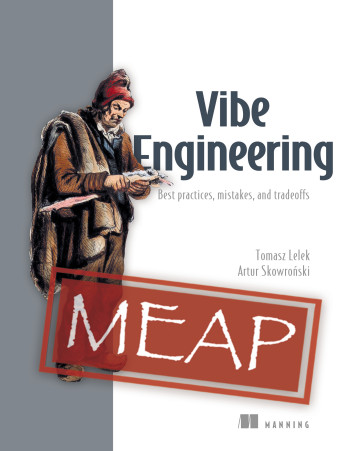
Tier 2 opens with a Manning Early Access Program title, meaning you'd be buying a book that's still being written chapter by chapter. Tomasz Lelek and Artur Skowronski are building a provider-agnostic framework for small, reviewable AI-assisted code changes, aimed at engineering teams rather than solo builders. Real publisher, real framework, just not a finished book yet. Track it at cabh.in.
5. The Vibe Coding Playbook, the outlier: business, not code
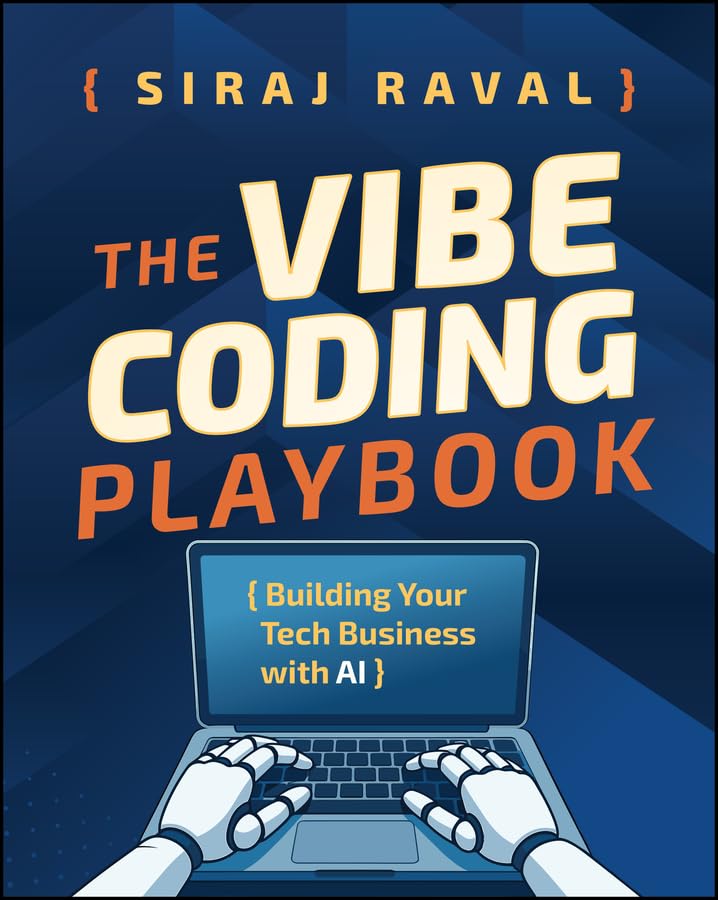
Published by Wiley, so it clears the tier 2 bar on publisher credibility, but it's a different genre than the rest of this list. Siraj Raval treats AI as a "technical co-founder" for non-technical founders, and it's genuinely strong on problem selection and go-to-market thinking, deliberately light on engineering rigor. Ranked here for a technical reader, it would sit higher on a founder-focused list. On Amazon, full review here.
6. Vibe Coding Bible, where tier 3 starts
This is the line where the list crosses into self-published territory: a 459-page guide by Tom Smykowski, sold directly by the author at vibecodingbible.org as an info-product rather than through a retailer or publisher, with no independent review base to check its claims against. That doesn't make it worthless, it means you're trusting the author's own marketing more than anywhere else on this list. Deeper look in my full review and a breakdown of what's inside.
7. Vibe Coding by Example, a real listing, a thin review trail
Self-published, part of a wider AI book series by the same author, and it does have a genuine listing on Goodreads, but the review count there is still tiny. Worth a skeptical skim, not a blind buy.
8. Vibe Coding for Beginners Made Easy, the beginner promise without the vetting
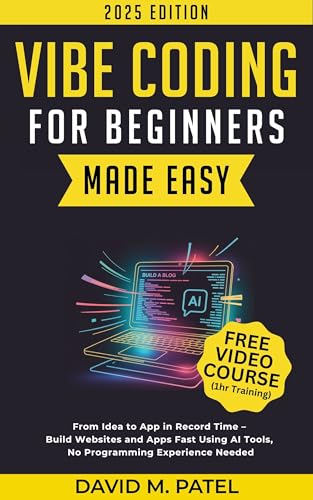
Full title Vibe Coding for Beginners Made Easy: From Idea to App in Record Time, by David M. Patel. Self-published, genuinely aimed at absolute beginners, with a tiny review count on Goodreads. The audience focus is real, the independent vetting isn't there yet.
9. Vibe Coding with Cursor, Windsurf, and Lovable, real publisher, narrow scope
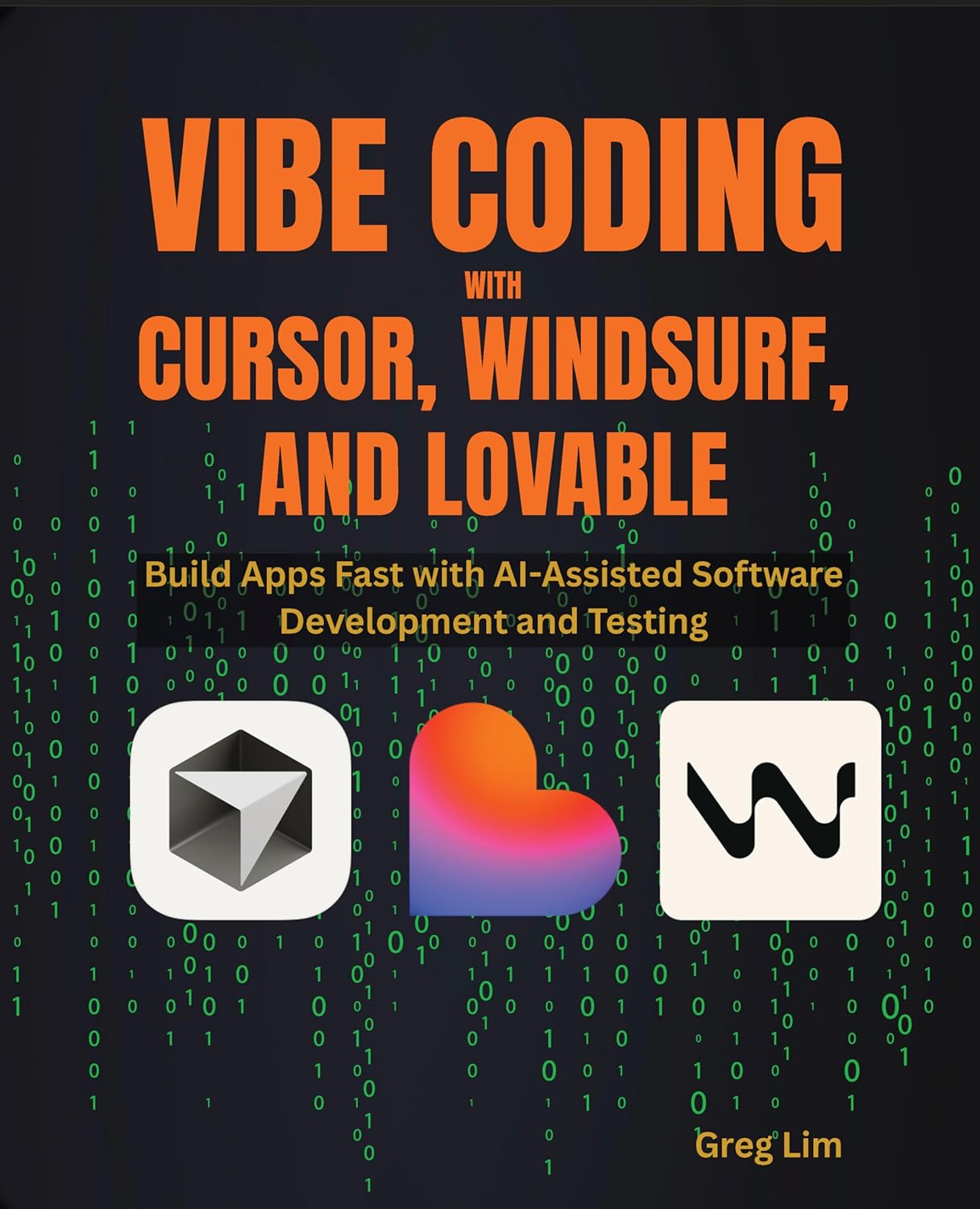
This one steps back into tier 2: published by Packt, a real technical publisher, so it isn't a credibility gamble the way most of tier 3 is. The catch is scope, it's written around three specific tools, Cursor, Windsurf, and Lovable, rather than the discipline broadly, so it's only a strong pick if you've already committed to that exact toolchain. Find it at cabh.in.
10. Anyone Can Vibe Code, closing out tier 3
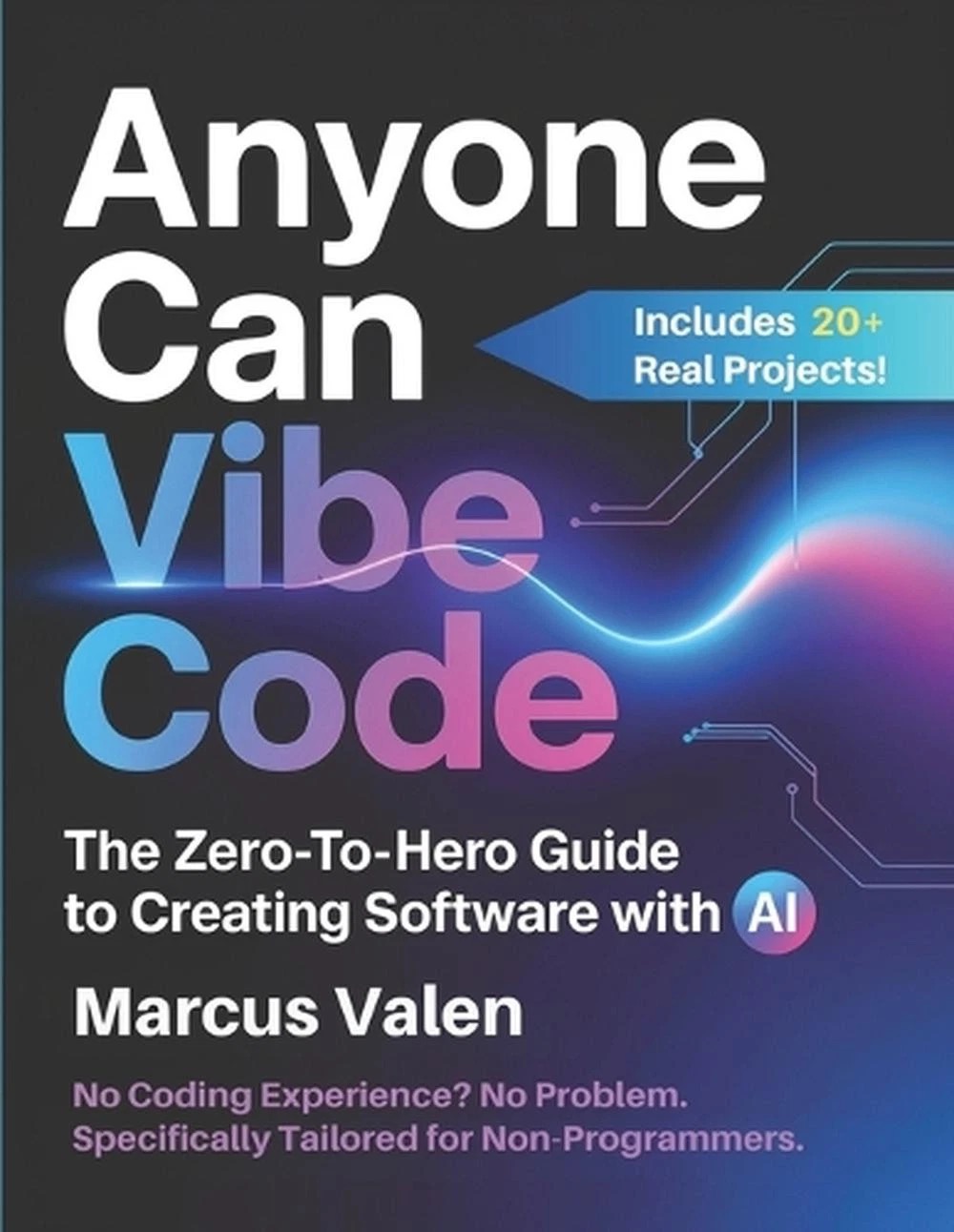
Full title Anyone Can Vibe Code: The Zero-to-Hero Guide to Creating Software with AI, by Marcus Valen. Self-published, pitched at people who have never coded, and sold mainly through secondary marketplaces like eBay rather than a normal storefront. No independent review base yet, closing out the list as the pick with the least outside verification.
How to actually use this list
Read tier 1 in full if you want a defensible, well-supported foundation. Dip into tier 2 for exactly the narrow thing it promises, an early-access engineering framework, a tool-specific walkthrough, a business playbook, and know what you're trading away by picking it. Treat tier 3 as leads worth a skim, not verdicts worth your money on faith, none of those five titles have an independent reader base yet to confirm the pitch on the cover matches what's actually inside.