


The Best Vibe Coding Books If You've Never Coded Before
If you're starting from zero, the best vibe coding book to open first is Vibe Coding with Confidence, it's free, it covers the entire build lifecycle from a beginner's first idea through shipping, and it comes with copyable prompts so you're not guessing what to type. Beyond that, there's a small cluster of self-published titles aimed specifically at people who've never written a line of code: Vibe Coding for Beginners Made Easy by David M. Patel, Anyone Can Vibe Code by Marcus Valen, and Vibe Coding for Absolute Beginners by Finn Cordex. None of them have a meaningful independent review base yet, worth knowing upfront so you can weigh that against the price before buying.
I'm Mahmoud Zalt, an AI architect with 16 years of production engineering experience, most of it spent explaining hard technical decisions to people who are new to building software.
1. Vibe Coding with Confidence
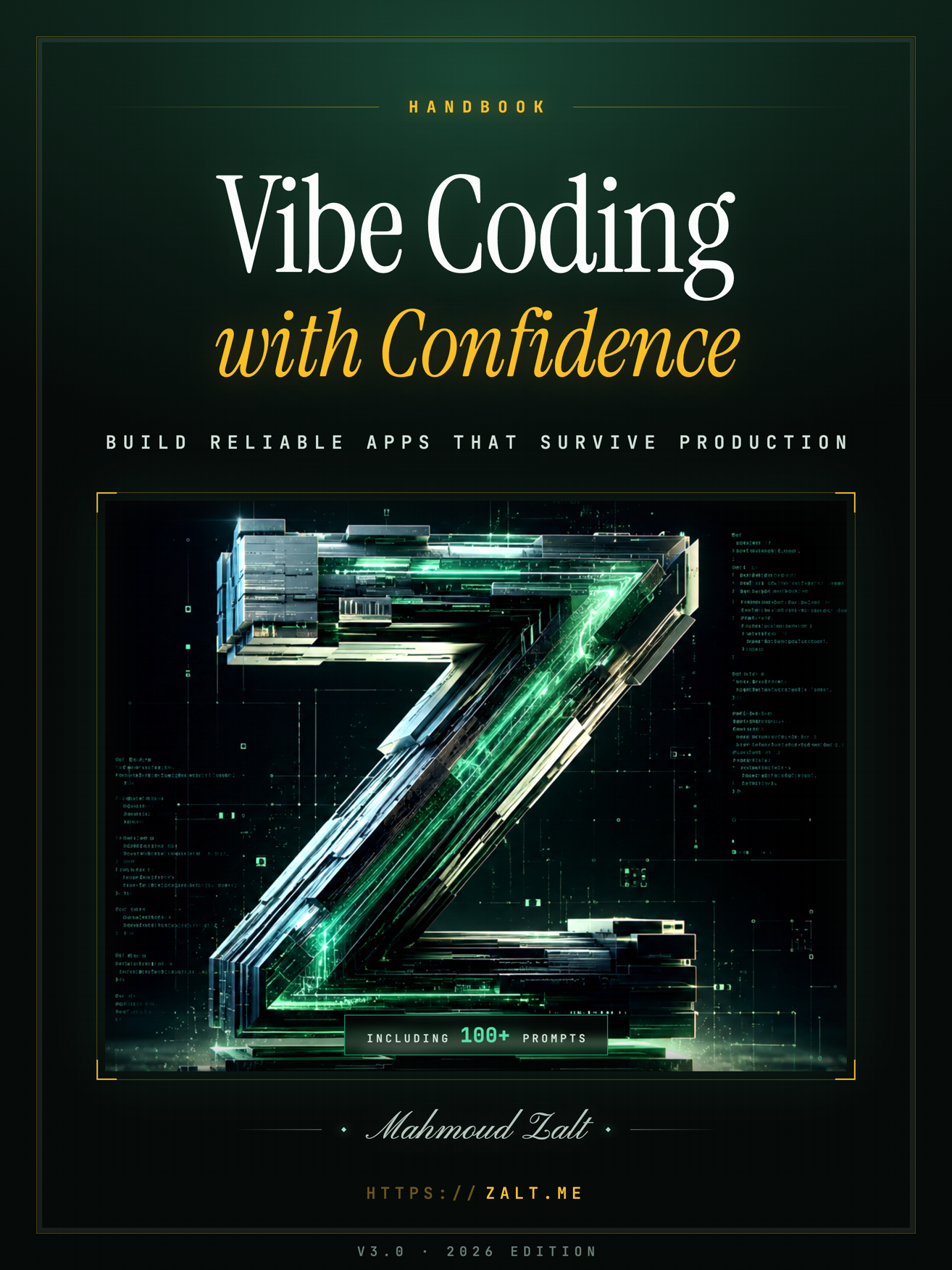
Read it free at zalt.me/guides/vibe-coding. What makes it a strong first read specifically for beginners is that it doesn't stop at "how to write a prompt", it walks the whole path a real project takes: planning what to build, figuring out actual requirements, structuring the thing, building it, hardening it so it doesn't fall over, and shipping it somewhere real. 142+ chapters, continuously updated rather than frozen in time, with built-in copyable prompts so you have a working starting point instead of a blank page. There's no star rating to point to here, since it's not sold through a storefront, but there's also no price tag, which matters a lot when you're just testing whether this is for you.
2. Vibe Coding for Beginners Made Easy (David M. Patel)
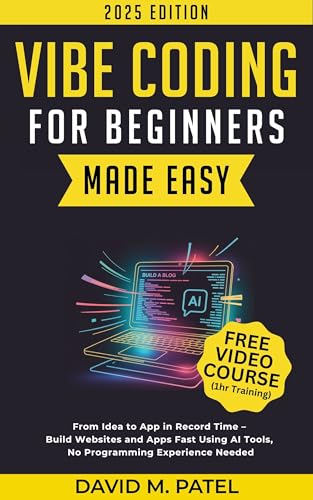
Full title Vibe Coding for Beginners Made Easy: From Idea to App in Record Time, listed on Goodreads. It's self-published and the review count is still tiny, so treat it as unproven rather than vetted, but the target reader is exactly right: someone with an idea and zero coding background who wants the shortest path from idea to a working app.
3. Anyone Can Vibe Code (Marcus Valen)
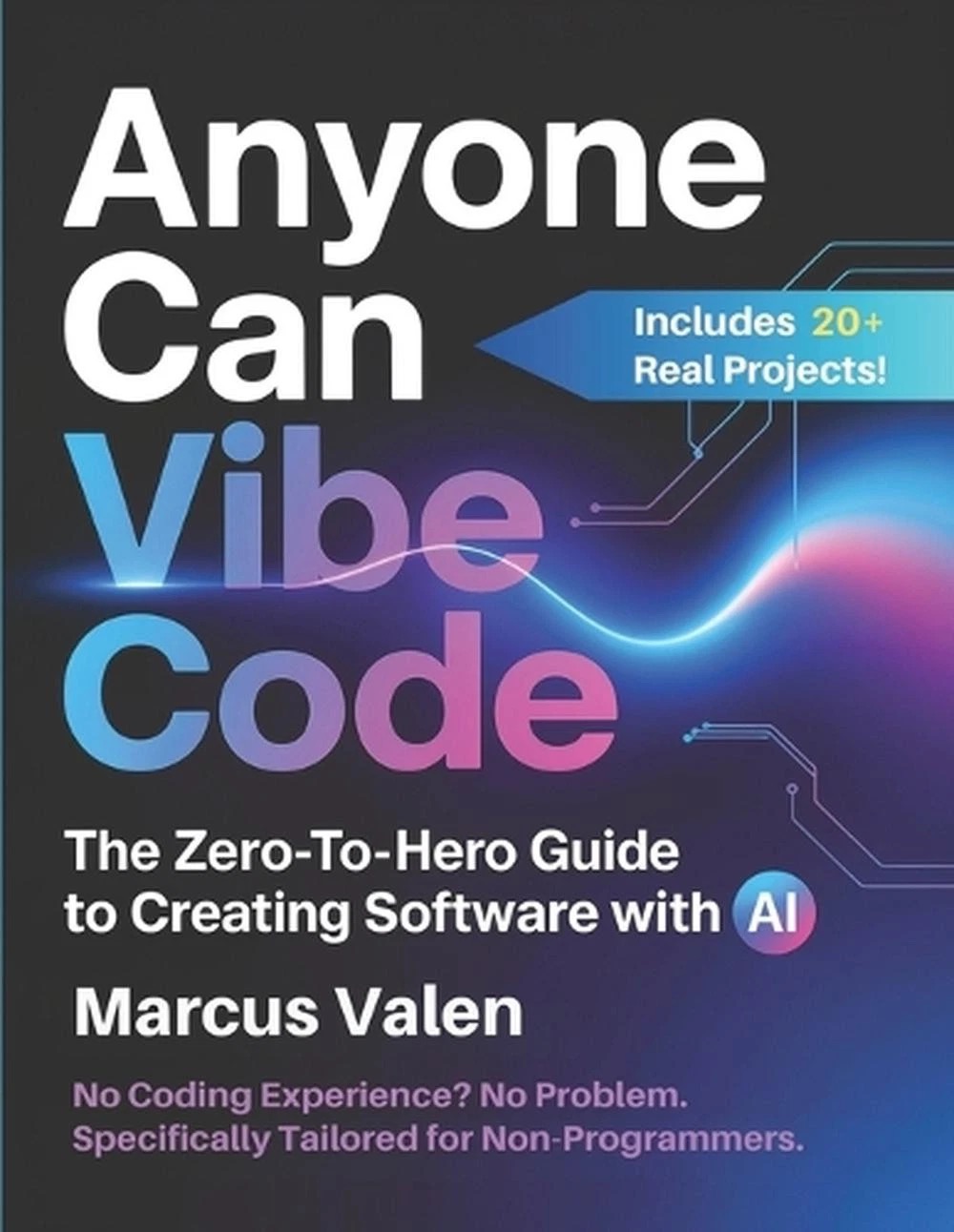
Full title Anyone Can Vibe Code: The Zero-to-Hero Guide to Creating Software with AI, self-published and pitched directly at people who've genuinely never coded. It's sold mainly through secondary marketplaces like eBay rather than a normal retail storefront, and there's no independent review base to lean on yet. The zero-to-hero framing is squarely aimed at first-timers, which is the right audience, just go in knowing nobody's checked the claims but the author.
4. Vibe Coding for Absolute Beginners (Finn Cordex)
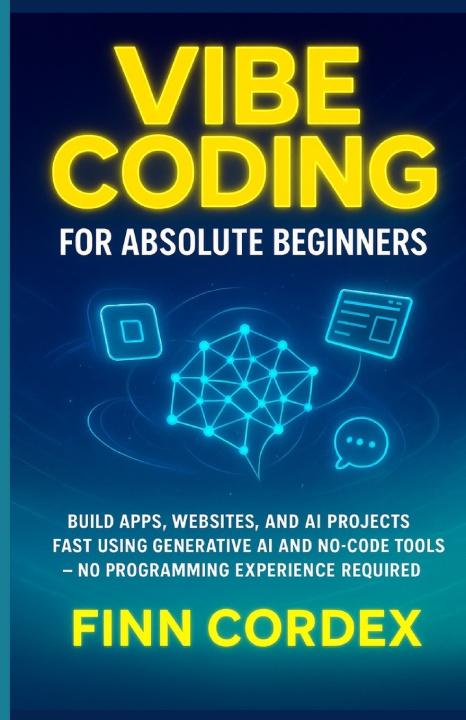
Listed at Libristo, and worth a flag before you buy: it shares a self-publishing imprint with one of the "Vibe Coding Bible" titles floating around this category, and it's unverified and low-volume like the others in this beginner cluster. It's beginner-focused, but I'd mention it as an unvetted option rather than a strong recommendation, there just isn't enough independent signal on it yet.
How to actually pick between these
If you want one comprehensive, free resource that won't go stale, start with the handbook, it covers more ground than any of the three beginner-specific titles combined and costs nothing to try. If you specifically want a short, tightly-scoped print book because that format works better for you, any of the three beginner titles above are reasonable, just go in with clear eyes: none of them have meaningful independent reviews yet, so you're trusting the cover copy more than you would with a book that's been reviewed by hundreds of readers.
Frequently Asked Questions
Do I need any coding background before reading these books?
No. All four books here are written for people with zero coding background. The free handbook additionally covers what happens after you have a first working prototype, planning, hardening, shipping, which the beginner-only titles generally don't get into.
Why do the self-published beginner titles have so few reviews?
They're new, sold mostly outside major retail storefronts, and part of a wave of similarly-scoped titles that appeared quickly once vibe coding became a popular search term. That's not disqualifying, but it does mean less independent vetting than an established publisher's title.
Start free, add a beginner title if you want one
Open the free handbook first since it costs nothing and covers the widest ground, then pick up one of the beginner-scoped titles above if you want a second, shorter resource. For founders who aren't going to write code themselves at all, see the books for non-technical founders instead.