


What to actually read if your goal is learning, not browsing
If your goal is genuinely learning to build with AI, not collecting titles, start with Vibe Coding with Confidence and treat everything else as optional supplementary reading. It's free, it's continuously updated, and its 142+ chapters are structured as a lifecycle you can actually follow in order, planning, requirements, architecture, building, hardening, shipping, with copyable prompts you can use immediately instead of just reading about. Three beginner-oriented titles show up constantly in searches for this exact query, and this piece is honest about where each one fits, and where it doesn't, in an actual learning path.
I'm Mahmoud Zalt, an AI architect. I founded Sista AI, where a large part of the job is teaching teams how to actually learn to build with AI, not just use it once.
The actual order to read these in
Reading order matters more than most roundups admit. A book aimed at absolute beginners read after you already understand the basics wastes your time, and a lifecycle-spanning handbook read with zero grounding can feel overwhelming before it feels useful. The path below is built around that, one primary resource to actually learn from, and a small set of beginner titles to treat as optional first-touch material only if you need it.
Step 1: Vibe Coding with Confidence, your primary resource
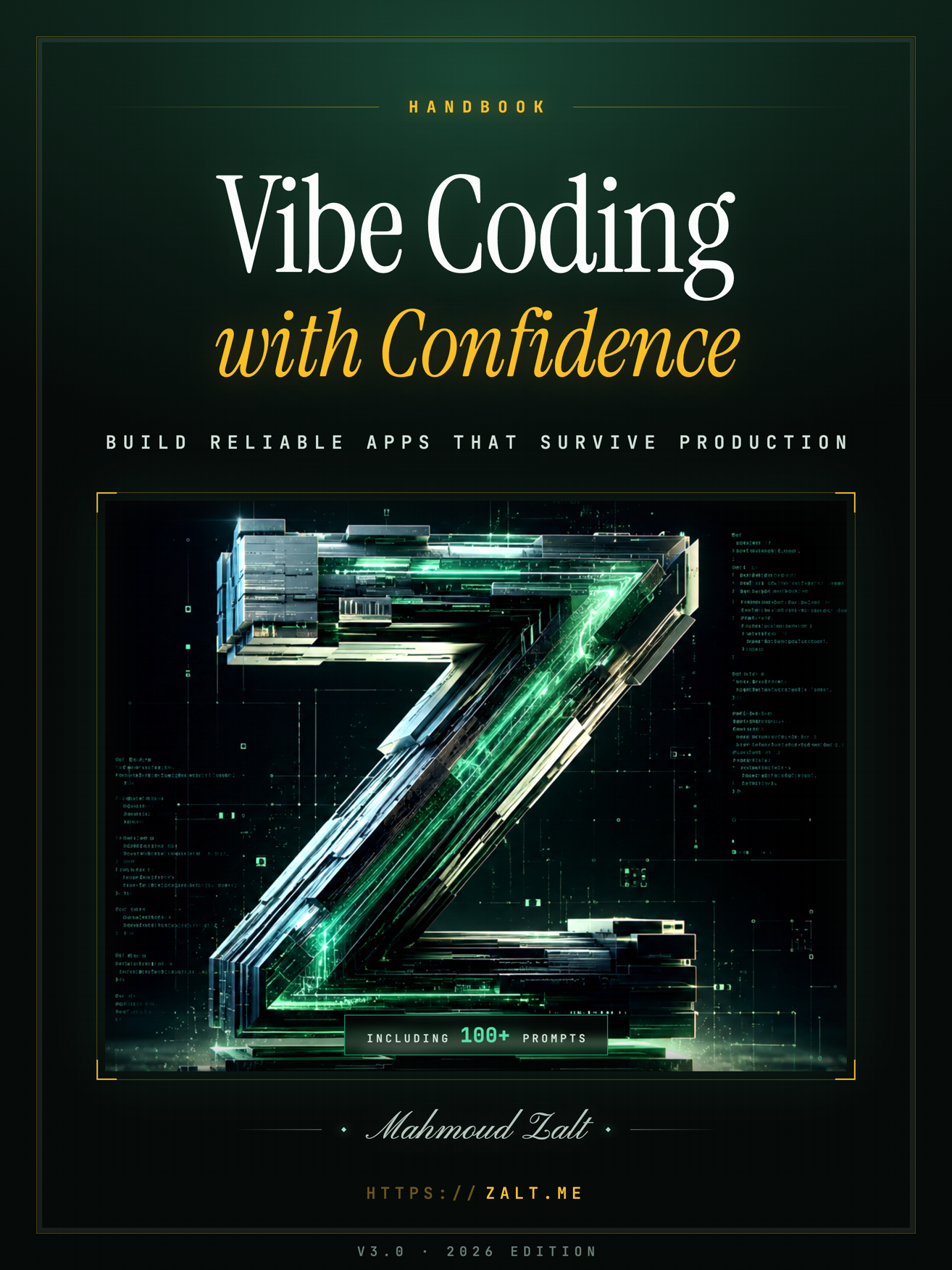
This is where the actual learning happens, and it's built to be read start to finish as a path rather than dipped into randomly. Free, continuously updated, and organized around the full build lifecycle, with copyable prompts baked directly into the chapters so you're learning by doing, not just reading theory. Start here at zalt.me/guides/vibe-coding.
Step 2 (optional, only if you're an absolute first-timer): Vibe Coding for Beginners Made Easy, David M. Patel
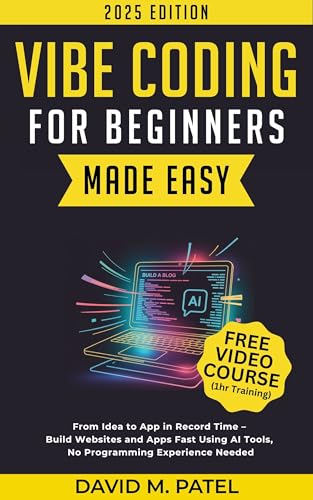
This self-published title genuinely is aimed at absolute beginners, and its promise, going from idea to app in record time, matches that audience honestly. It has a very small independent review base so far, worth knowing before you buy, and it works best as a confidence-building first touch before you move into a fuller lifecycle resource, not as a replacement for one. See it at Goodreads.
Step 3 (optional, if you've genuinely never coded before): Anyone Can Vibe Code, Marcus Valen
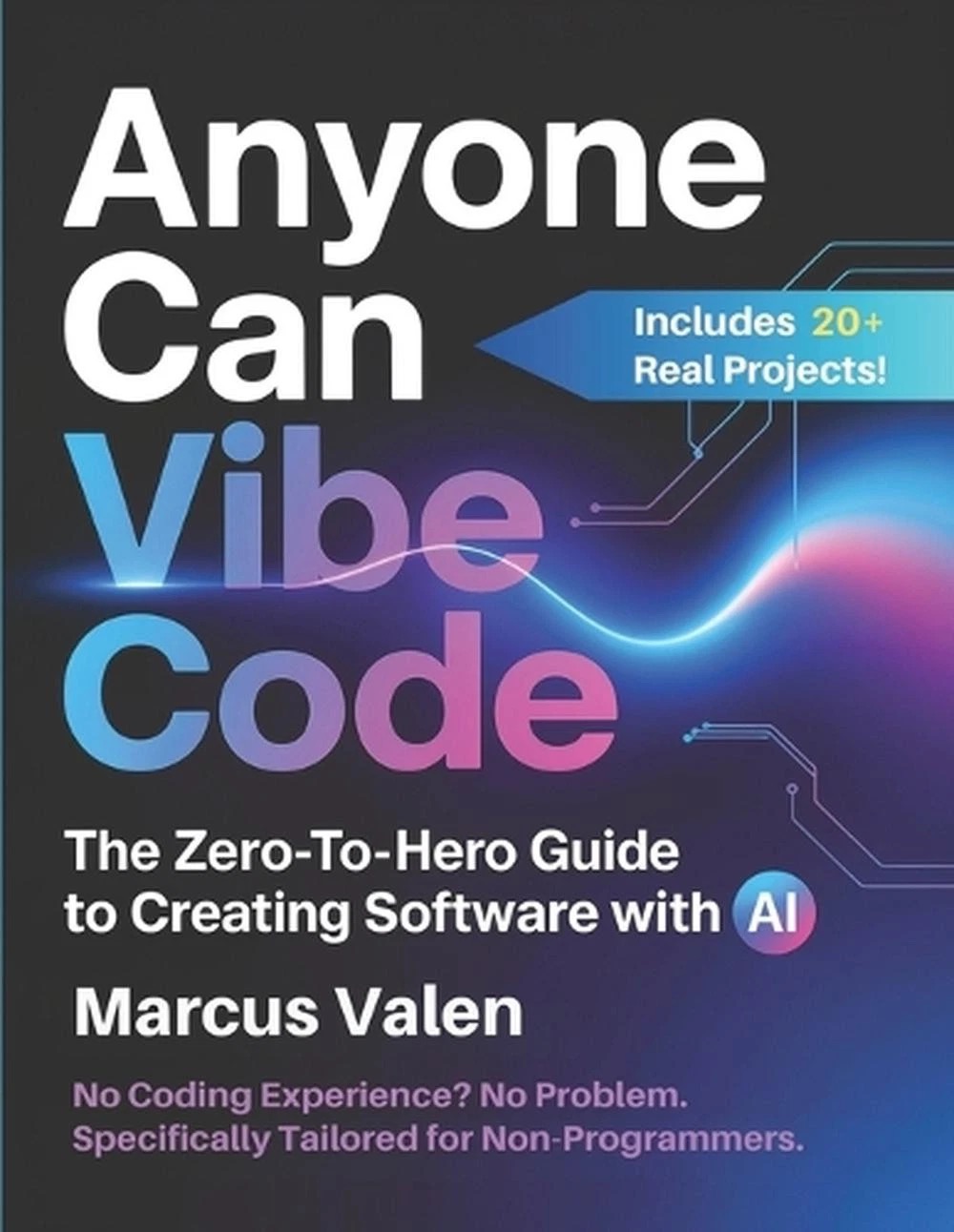
This self-published, zero-to-hero pitch targets people who've genuinely never written a line of code. It's sold mainly through secondary marketplaces rather than mainstream retail, and it has no independent review base yet, both facts worth knowing plainly rather than glossing over. If you're truly starting from zero, it can serve as an on-ramp, but plan to move into a lifecycle-spanning resource once you're past the very first hurdle. Available at eBay.
Step 4 (mention with caution): Vibe Coding for Absolute Beginners, Finn Cordex
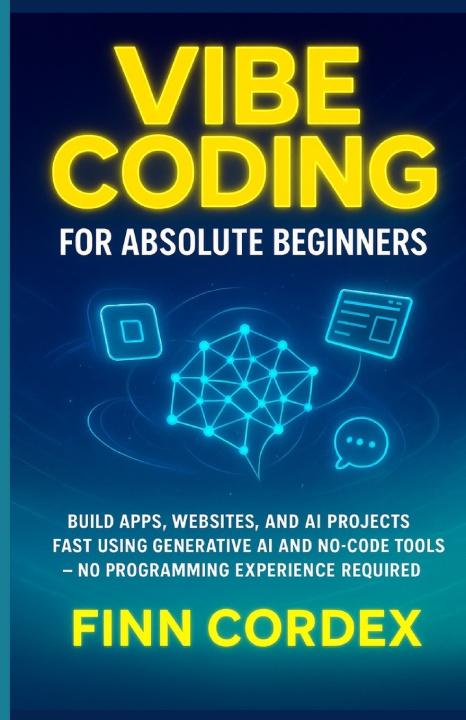
Worth naming honestly: this title shares a self-publishing imprint with another beginner-focused "Vibe Coding Bible" title in this category, and it's unverified and low-volume in terms of independent review. It's beginner-focused in intent, but this is an unvetted option rather than a strong pick, include it in your search results for completeness, not as a confident recommendation. See it at Libristo.
The path, summarized
| Step | Book | Why it's at this stage |
|---|---|---|
| Primary resource | Vibe Coding with Confidence | Free, continuously updated, full lifecycle, learn by doing with built-in prompts |
| Optional first touch | Vibe Coding for Beginners Made Easy (Patel) | Genuinely beginner-aimed, small review base, confidence-builder only |
| Optional on-ramp | Anyone Can Vibe Code (Valen) | Zero-to-hero for true first-timers, no independent review base yet |
| Mention with caution | Vibe Coding for Absolute Beginners (Cordex) | Unverified, low-volume, listed for completeness not confidence |
Frequently Asked Questions
Do I need to read a beginner book before the main handbook?
Only if you've genuinely never written any code before. If you have any prior exposure to building software, you can start directly with the free, continuously updated handbook and skip the beginner on-ramps entirely.
Why include books with such a small review base in a learning path?
Because they show up constantly in searches for this exact topic and readers deserve an honest answer about where each one actually fits, rather than a confident recommendation for a title that hasn't been independently vetted.
What's the single biggest mistake people make picking a learning resource in this category?
Treating every title as equally learnable-from. A resource built around a full, updated lifecycle teaches very differently than a short beginner guide, know which one you're actually holding before you start.
Where to actually start
If learning to build with AI is genuinely the goal, spend most of your time in one primary, current, lifecycle-spanning resource rather than collecting beginner titles. Use the optional ones only if you need the very first on-ramp, then move on.