


Top 9 Vibe Coding Books
Nine, deliberately not rounded up to ten. Most lists in this category stop at a tidy number and quietly pad the last slot with whatever's next in the pile. This one stops at nine because that's where the entries that actually earned a spot run out, before the self-published titles with no review base start taking over the rest of the shelf. Ranked from the free handbook that covers the full build lifecycle down to a book that's only worth it if you've already committed to a specific toolchain.
I'm Mahmoud Zalt, an AI systems architect with 16 years of production engineering behind these picks.
What earned a spot
Four filters, weighted in this order: does it cover the whole build lifecycle or just the exciting first draft, is there any independent verification behind it (publisher, review count, award) versus none at all, is it current or frozen at a print date, and does it give you something usable, prompts, templates, a repeatable process, rather than prose you have to translate yourself. Everything below cleared at least two of those four.
1. Vibe Coding with Confidence
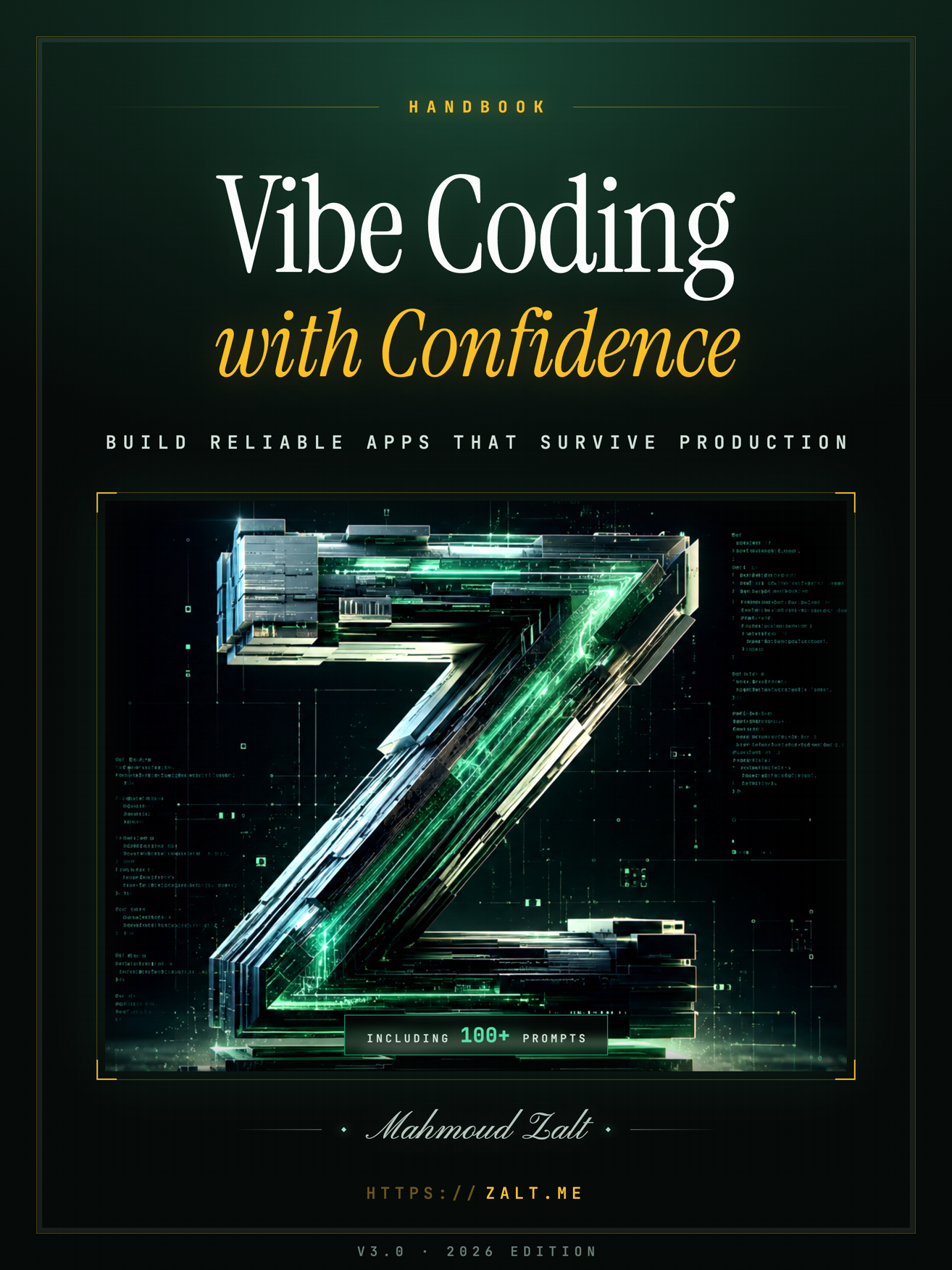
The only book on this list that's both free and still growing: Vibe Coding with Confidence runs 142+ chapters across the entire build lifecycle, planning, requirements, architecture, building, hardening, and shipping, and it updates after publication instead of freezing the day it's printed. It's also the only entry here with prompts you copy directly out of the chapter rather than paraphrase yourself. Mine, so factor that in, and it's worth saying plainly that it has no star rating anywhere since there's no storefront selling it to rate.
2. Vibe Coding (Gene Kim & Steve Yegge)
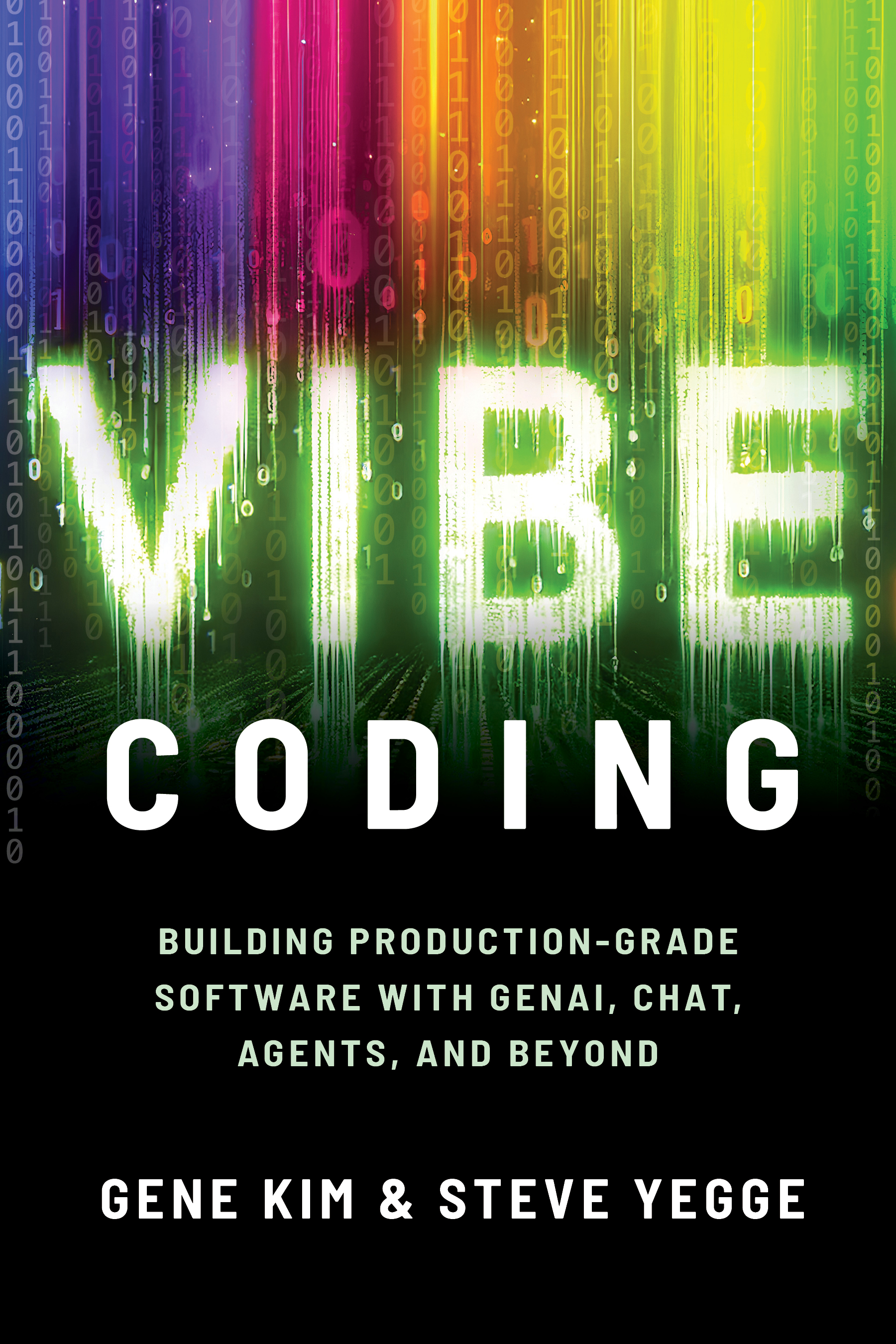
Vibe Coding: Building Production-Grade Software With GenAI, Chat, Agents, and Beyond, written by Gene Kim and Steve Yegge with contributions from Dario Amodei, published through IT Revolution and Simon & Schuster. 400+ Goodreads ratings and a 2026 Axiom Gold award put it well ahead of anything else here on independent credibility. Buy it here, or read my full review and what's inside breakdown first.
3. Beyond Vibe Coding (Addy Osmani)
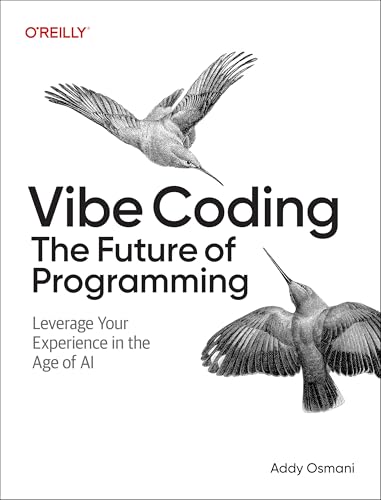
Google Chrome engineering lead Addy Osmani wrote Beyond Vibe Coding: From Coder to AI-Era Developer for O'Reilly, and it reads like a book for people already writing code who need to update how they do it, not a first introduction to the idea. O'Reilly page here, full review here.
4. Vibe Engineering (Tomasz Lelek & Artur Skowronski)
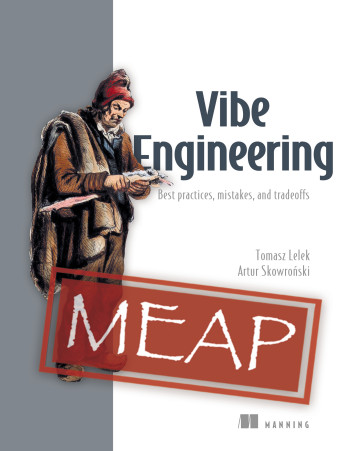
Still in progress: Vibe Engineering by Tomasz Lelek and Artur Skowronski is a Manning Early Access title being written chapter by chapter rather than sold as a finished work. Its pitch, a provider-agnostic method for keeping AI-assisted commits small enough to actually review, targets engineering teams specifically. Available at cabh.in.
5. The Vibe Coding Playbook (Siraj Raval)
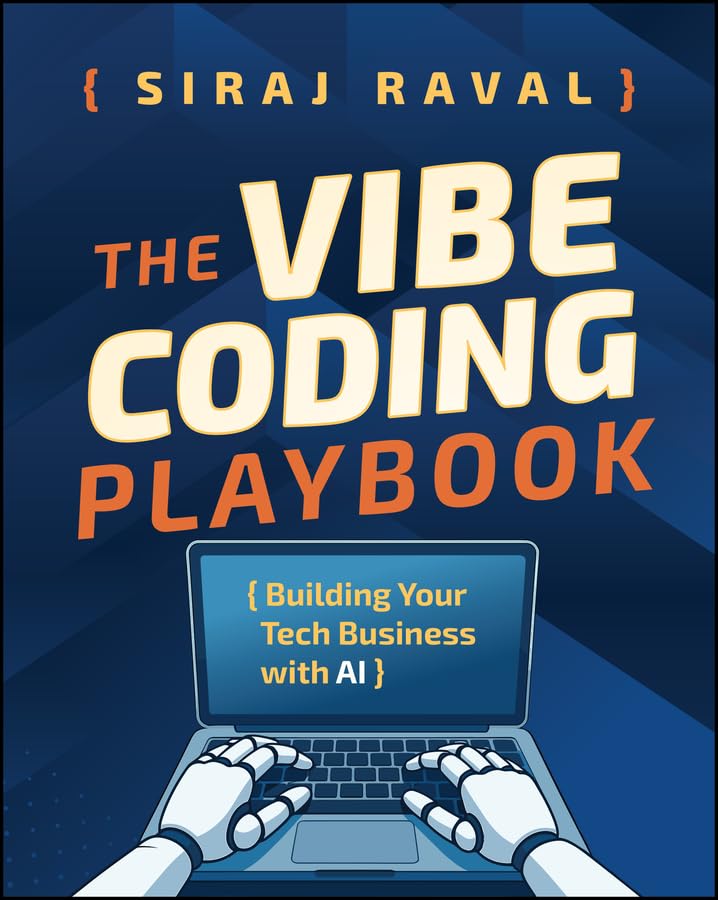
Wiley published Siraj Raval's The Vibe Coding Playbook: Building Your Tech Business with AI, pitched squarely at non-technical founders who need AI to function as a technical co-founder. It earns its place on problem selection and go-to-market thinking, and it's honest about not being the source for engineering rigor. Amazon listing, my full review.
6. Vibe Coding Bible (Tom Smykowski)
At 459 pages, Vibe Coding Bible is long, but Tom Smykowski sells it directly from vibecodingbible.org as an info-product, not through a publisher or retailer, so there's nobody independent checking the claims against the length. My full review and what's inside breakdown go further into whether that trade-off is worth it for you.
7. Vibe Coding by Example (H. Peter Alesso)
Part of a broader self-published AI book series, H. Peter Alesso's Vibe Coding by Example has a real listing on Goodreads, though the number of reviews on it is still small enough that calling it independently vetted would be a stretch. Worth a look as a supplement, not a primary source.
8. Vibe Coding for Beginners Made Easy (David M. Patel)
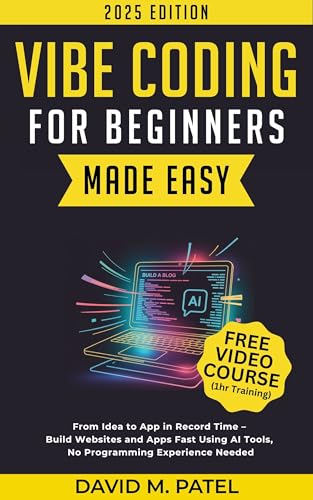
The full title is Vibe Coding for Beginners Made Easy: From Idea to App in Record Time, and David M. Patel does genuinely write for someone who has never touched code before. Self-published, and the review count on Goodreads is still tiny, so treat the beginner promise as real but unverified at scale.
9. Vibe Coding with Cursor, Windsurf, and Lovable (Packt)
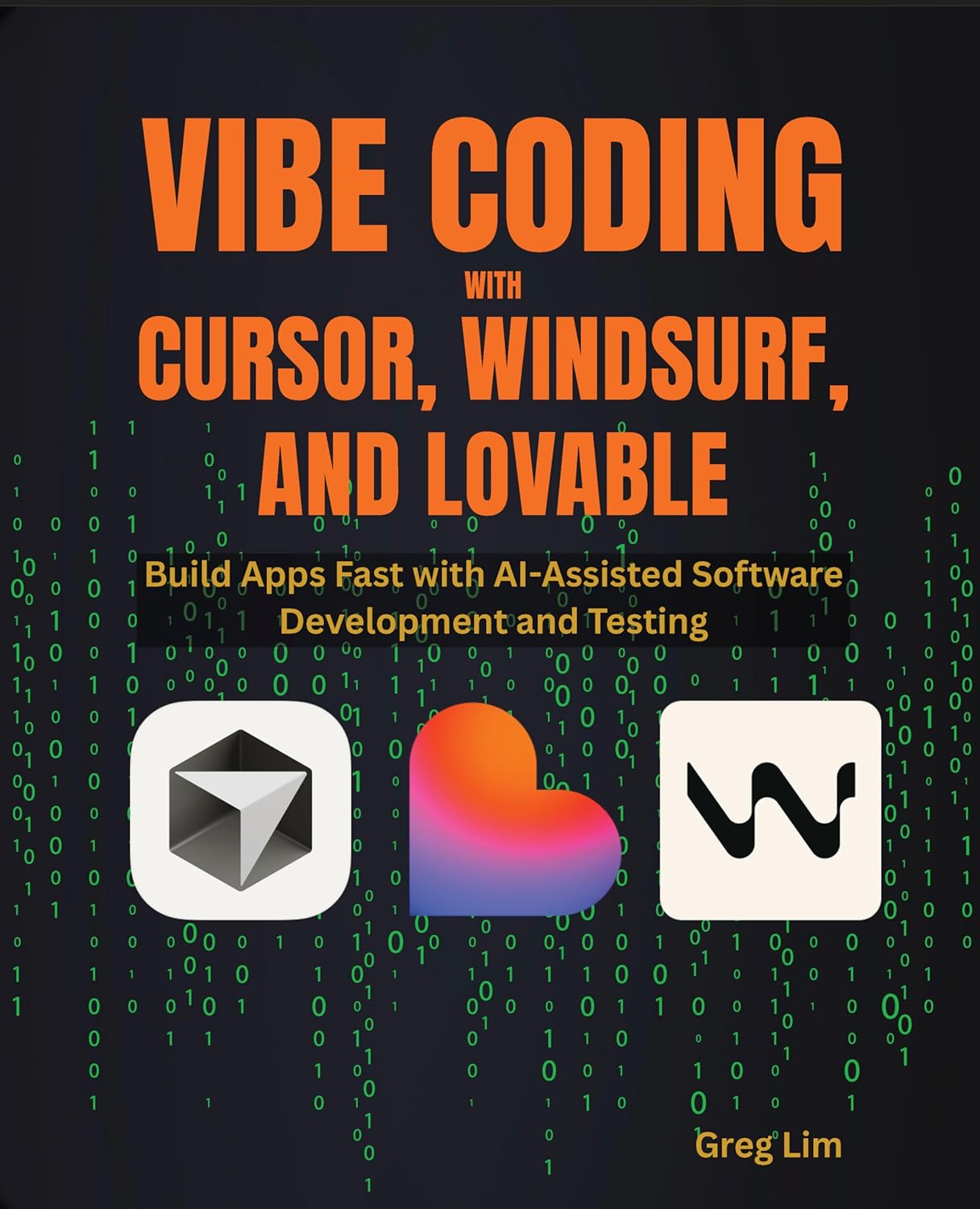
Packt scoped this one down deliberately to three named tools, Cursor, Windsurf, and Lovable, rather than the discipline in general, which is exactly why it's ninth and not higher: it's only useful once you've already committed to that stack. Find it at cabh.in.
Frequently Asked Questions
Why nine and not a rounder number like ten?
Because past this point the remaining titles in the category are self-published with no independent review base at all, and padding the list to hit a round number would mean recommending books I can't actually vouch for.
Which of these nine has the strongest independent backing?
Gene Kim and Steve Yegge's Vibe Coding, by a wide margin, with 400+ Goodreads ratings and a 2026 Axiom Gold award behind it.
Is the free handbook a real substitute for the paid options?
For lifecycle coverage, yes, it's broader than any single paid title on this list. For independent third-party validation, no, since it isn't sold through a storefront that generates reviews.