

Top 11 Vibe Coding Books
This is the list for the completionist, the reader who already skimmed a top-10 roundup somewhere and wants to know what sits just past it. Eleven books, ranked, with the eleventh included because it's genuinely worth knowing about, not because I ran out of things to say at ten. Same rule as always: the credibility gaps are stated plainly, not smoothed over with vague praise.
I'm Mahmoud Zalt, an AI architect running Sistava, an AI workforce doing real business work, not demos.
The cutoff logic
Order here tracks scope, independent verification, currency, and practical usability, in that order of weight. A free book covering the full lifecycle beats a narrow paid one; a publisher with hundreds of reviews beats a self-published title with none; a book still being updated beats one frozen at a print date. Book eleven makes the cut on scope even though its verification is thin, which is exactly the kind of trade-off worth flagging rather than hiding.
1. Vibe Coding with Confidence
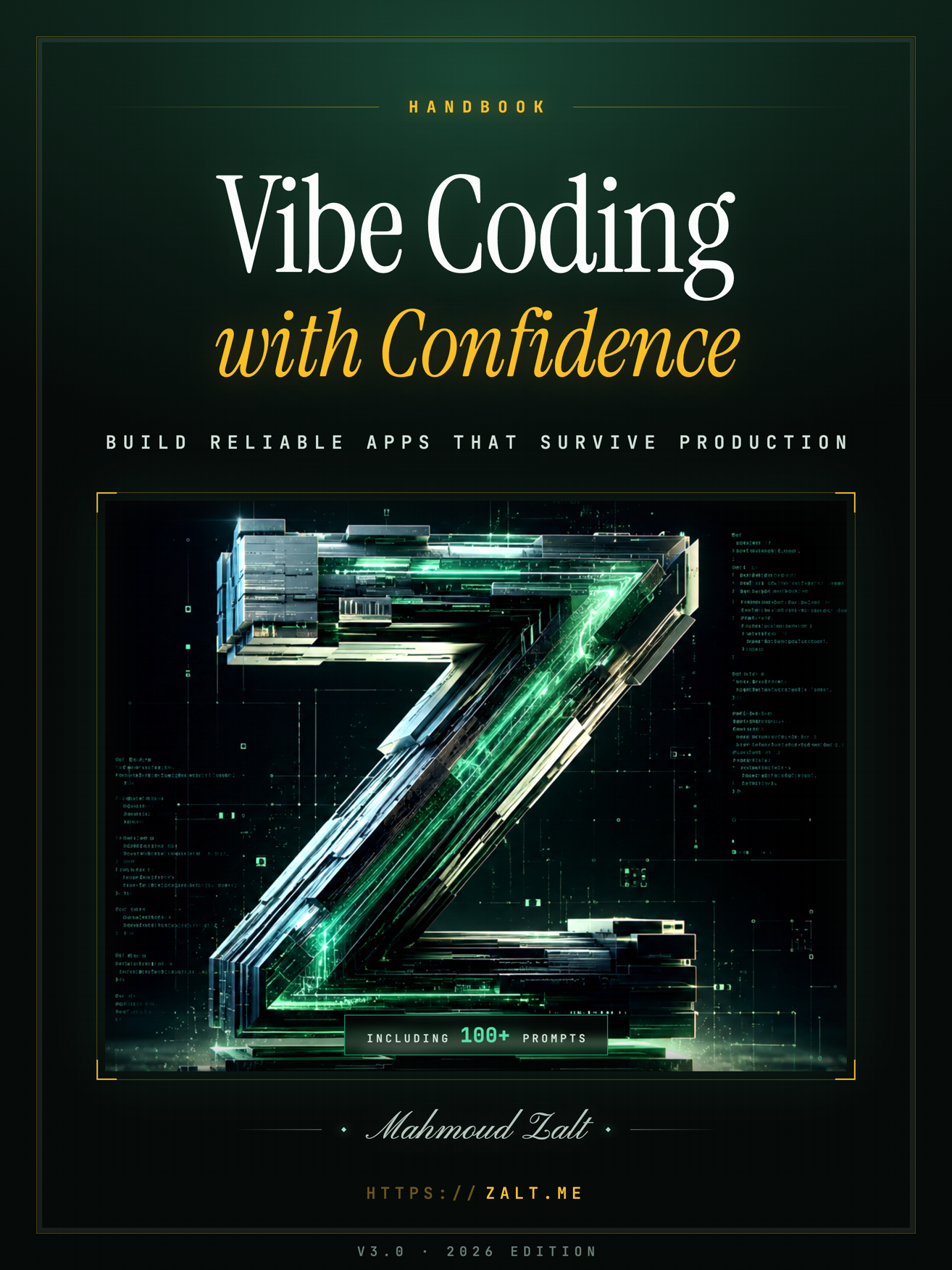
Free, at zalt.me/guides/vibe-coding, 142+ chapters spanning planning, requirements, architecture, building, hardening, and shipping, and updated continuously rather than locked to a print date. It's the only book on this list with copyable prompts built into the chapters themselves. I wrote it, so read the rest of this list with that in mind, and note there's no review count attached since there's no storefront selling it.
2. Vibe Coding (Gene Kim & Steve Yegge)
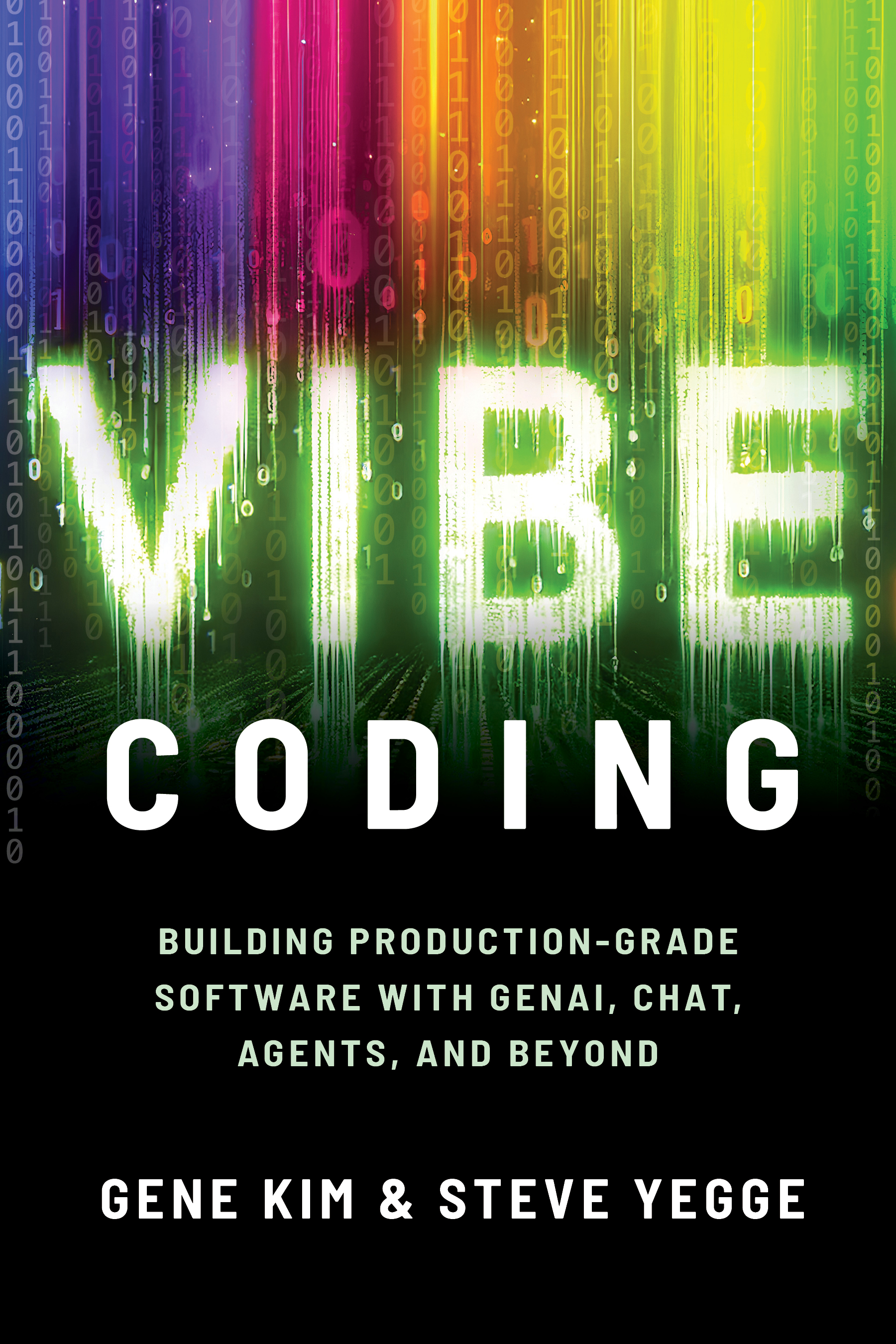
Published by IT Revolution and Simon & Schuster with contributions from Dario Amodei, Vibe Coding: Building Production-Grade Software With GenAI, Chat, Agents, and Beyond by Gene Kim and Steve Yegge has 400+ Goodreads ratings and a 2026 Axiom Gold award behind it, the deepest independent track record on this whole list. Buy here, or start with my review and the inside look.
3. Beyond Vibe Coding (Addy Osmani)
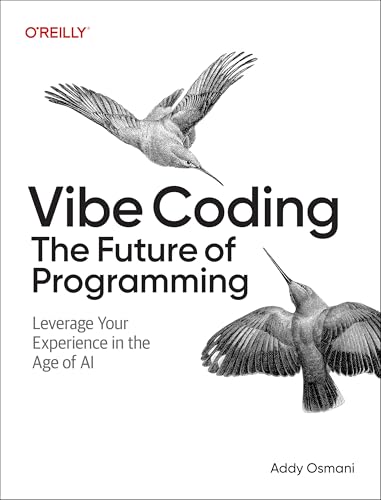
Beyond Vibe Coding: From Coder to AI-Era Developer, from O'Reilly, was written by Addy Osmani, who leads engineering on Google Chrome. It's the pick for a working developer adjusting an existing practice rather than someone learning to build software for the first time. O'Reilly listing, my full review.
4. Vibe Engineering (Tomasz Lelek & Artur Skowronski)
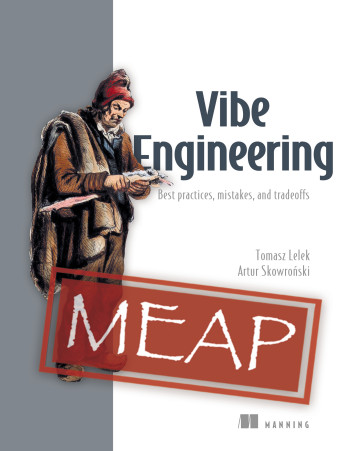
Manning is releasing Vibe Engineering, by Tomasz Lelek and Artur Skowronski, through its Early Access Program, meaning the book you'd buy today is unfinished, built chapter by chapter in public. The underlying idea, a provider-agnostic approach to small, reviewable AI-assisted changes, is aimed at engineering teams. cabh.in.
5. The Vibe Coding Playbook (Siraj Raval)
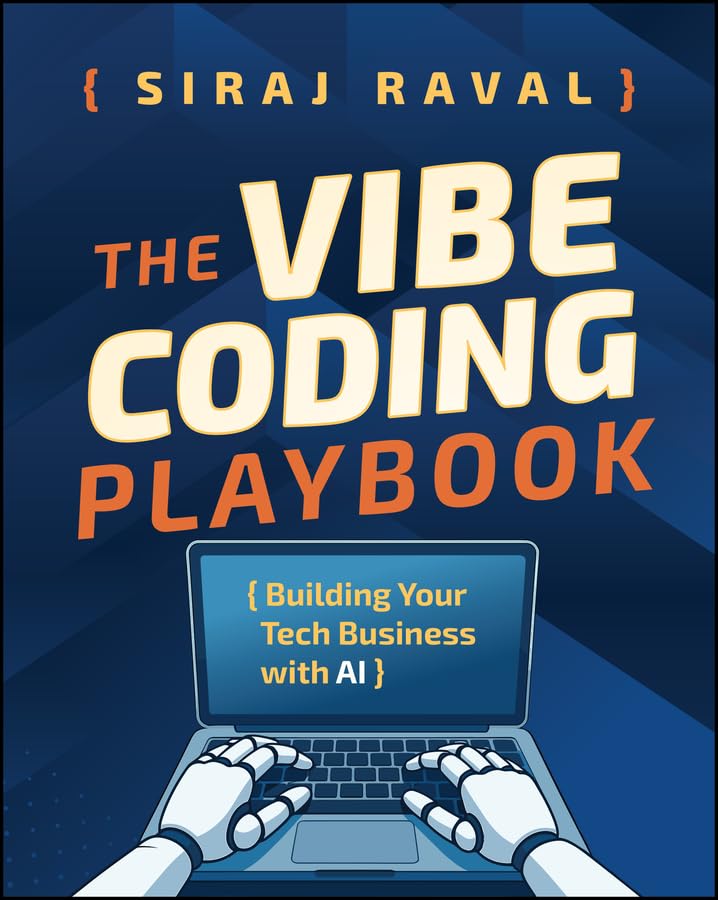
Siraj Raval wrote The Vibe Coding Playbook: Building Your Tech Business with AI for Wiley, aimed at non-technical founders who want AI functioning as a technical co-founder. Genuinely strong on choosing the right problem and go-to-market strategy, and honest by design about not going deep on engineering. Amazon, my full review.
6. Vibe Coding Bible (Tom Smykowski)
Vibe Coding Bible runs 459 pages, and Tom Smykowski sells it himself at vibecodingbible.org rather than through a publisher, so there's no third party checking the claims on the cover against what's actually inside. My full review and what's inside breakdown cover the rest.
7. Vibe Coding by Example (H. Peter Alesso)
One title in a wider self-published AI book series, H. Peter Alesso's Vibe Coding by Example is listed for real on Goodreads, but with so few reviews that it reads as unproven rather than checked. Useful as a supplement to a more established title, not a stand-alone choice.
8. Vibe Coding for Beginners Made Easy (David M. Patel)
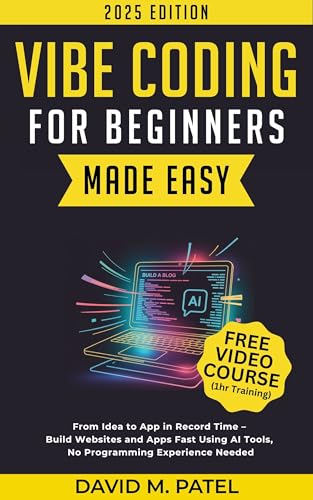
Vibe Coding for Beginners Made Easy: From Idea to App in Record Time does what the title says: David M. Patel writes for a reader who has genuinely never coded. Self-published, and the review count on Goodreads hasn't caught up to the promise yet.
9. Vibe Coding with Cursor, Windsurf, and Lovable (Packt)
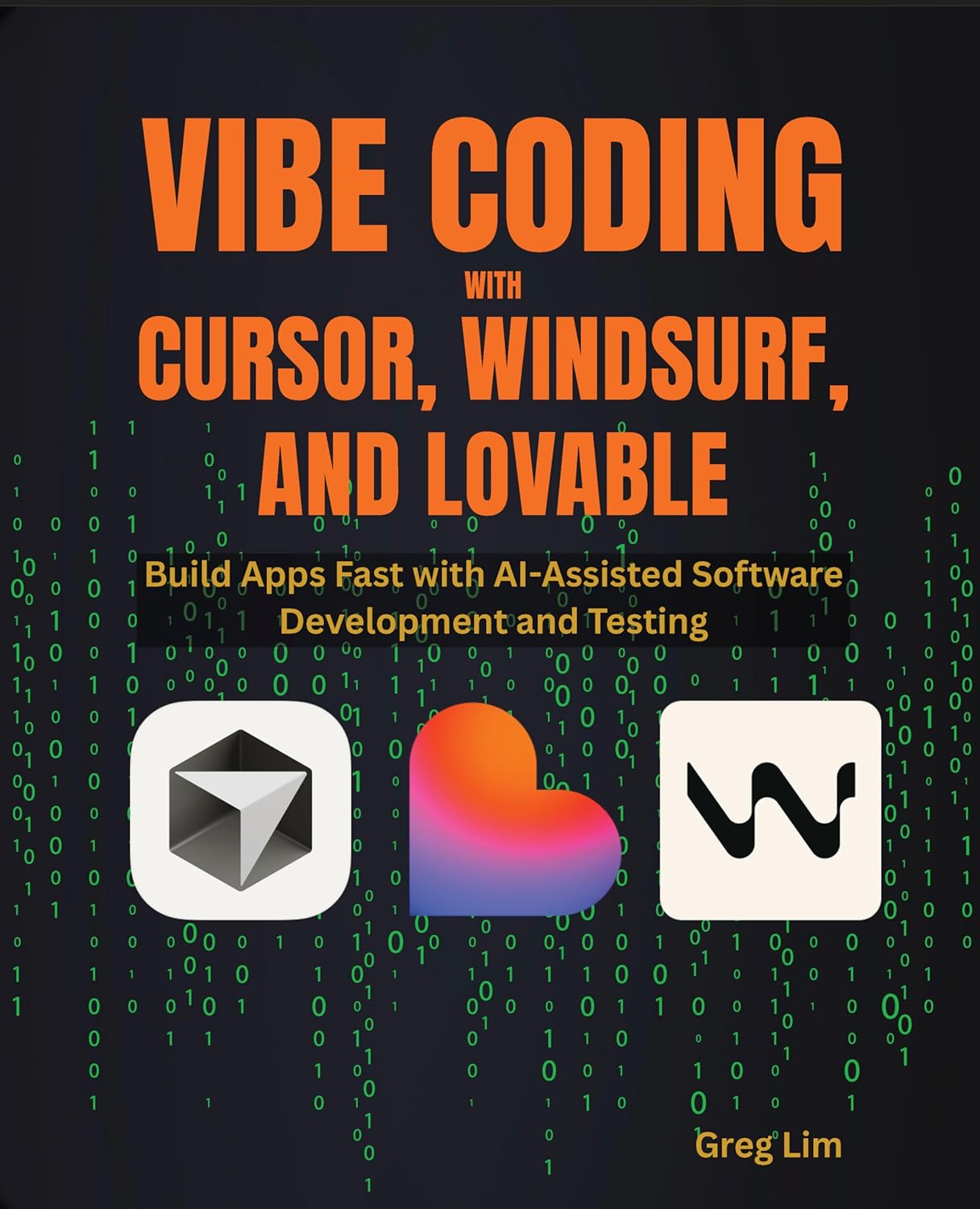
Packt's angle here is narrow on purpose: three named tools, Cursor, Windsurf, and Lovable, instead of the broader discipline. That's a real limitation the moment your stack changes, but a genuine asset if you've already locked in that exact toolchain. cabh.in listing.
10. Anyone Can Vibe Code (Marcus Valen)
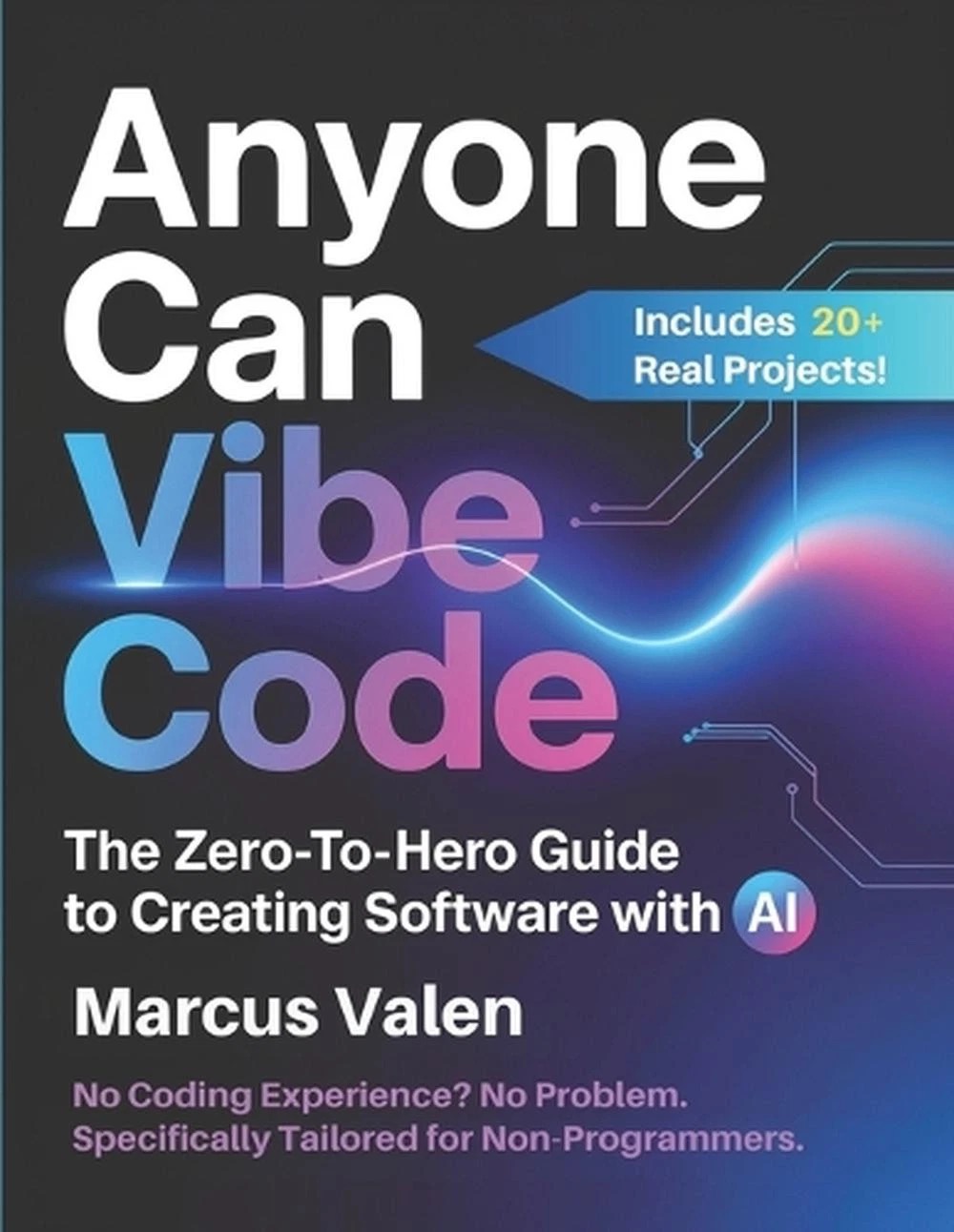
Full title Anyone Can Vibe Code: The Zero-to-Hero Guide to Creating Software with AI, and Marcus Valen's pitch really is aimed at people who've never written a line of code. Self-published, and sold mainly through marketplaces like eBay rather than a traditional storefront, with no independent review base behind it yet.
11. Vibe Coding for Absolute Beginners (Finn Cordex)
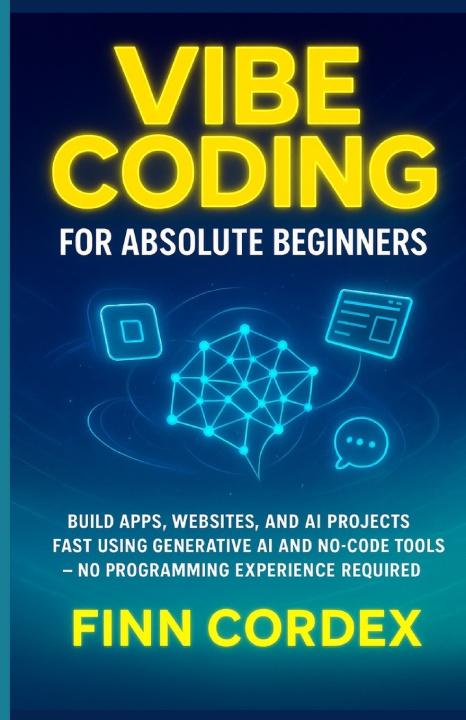
The eleventh spot, and the one worth reading this list to find: Finn Cordex's Vibe Coding for Absolute Beginners shares a self-publishing imprint with the same operation behind one of the other "Vibe Coding Bible" titles floating around this category. Beginner-focused, unverified, low-volume. Know it exists, don't go out of your way for it.
Frequently Asked Questions
Is book 11 actually worth reading?
Not a strong recommendation, no. It's here because it shows up in searches for this category and readers deserve to know what it is, unverified and low-volume, before spending money on title recognition alone.
What separates the top 5 from the rest of this list?
Publisher backing, an actual review count, and how much of the build lifecycle the book covers versus just the exciting early part.
Where do I stop if 11 is too many?
The first five carry the bulk of the value here; see the top 5, ranked for the shorter version.
Read the top few, reference the rest
Start with the free handbook, add the Kim and Yegge book for the deepest independently vetted option, then use the rest of this list as reference material for when a specific title crosses your feed and you want to know what you're actually looking at. For the next two past this list, see the top 13.