
The 10 Vibe Coding Books Worth Knowing About in 2026
Vibe coding turned into a publishing category almost overnight, and the shelf now runs from a genuinely well-vetted Simon & Schuster title down to eBay-only listings with zero independent reviews. Here are 10 books in that shelf, ranked, with the credibility gaps stated plainly rather than papered over. Top pick: Vibe Coding with Confidence, free and continuously updated. The rest are ordered by a mix of publishing credibility, review base, and how well-scoped the book is for what it claims to teach.
I'm Mahmoud Zalt, an AI systems architect who has spent 16 years shipping production software, the last several building with AI assistants daily. Book one below is mine, disclosed upfront so you can weigh the rest of this list accordingly.
1. Vibe Coding with Confidence
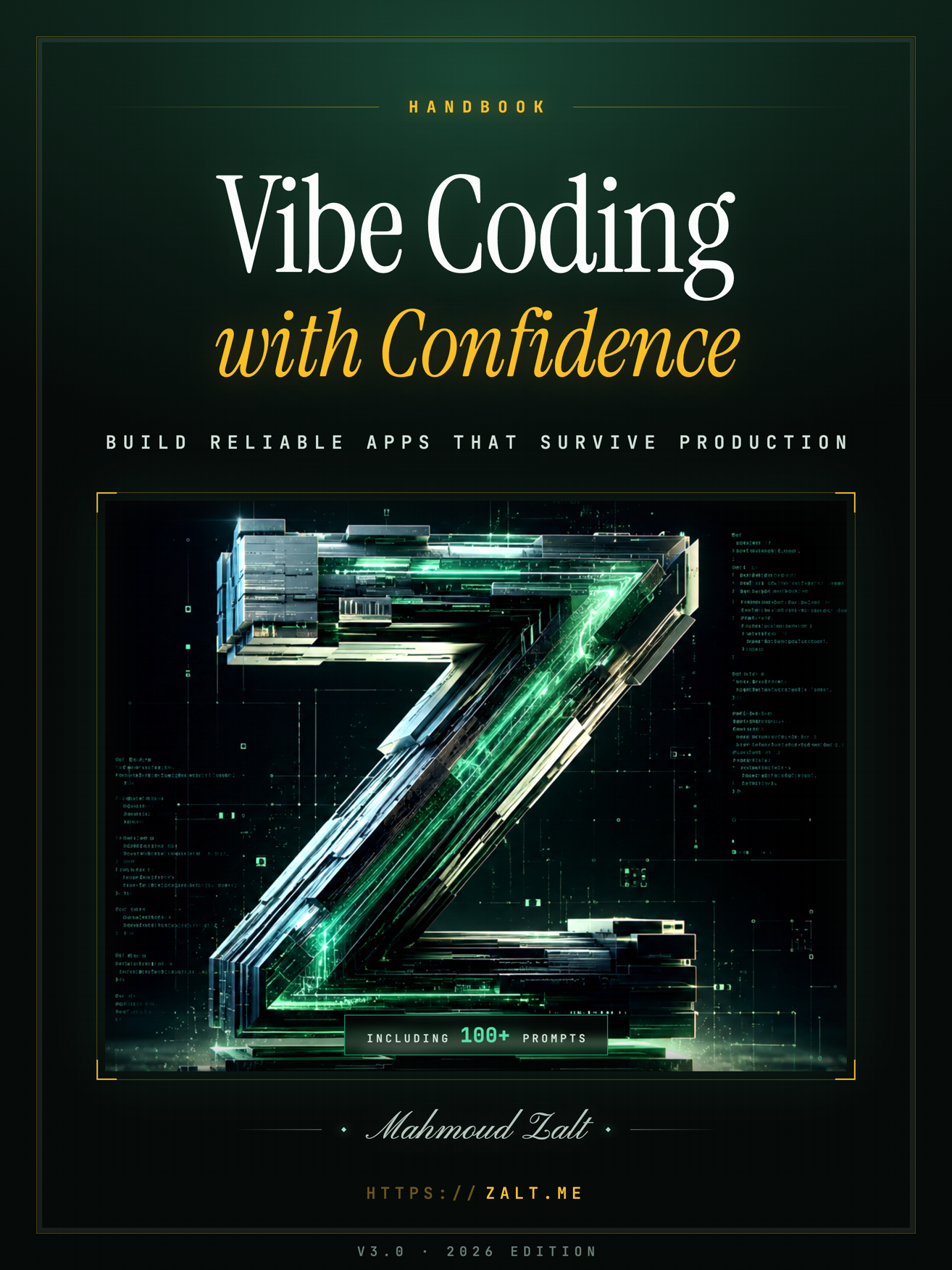
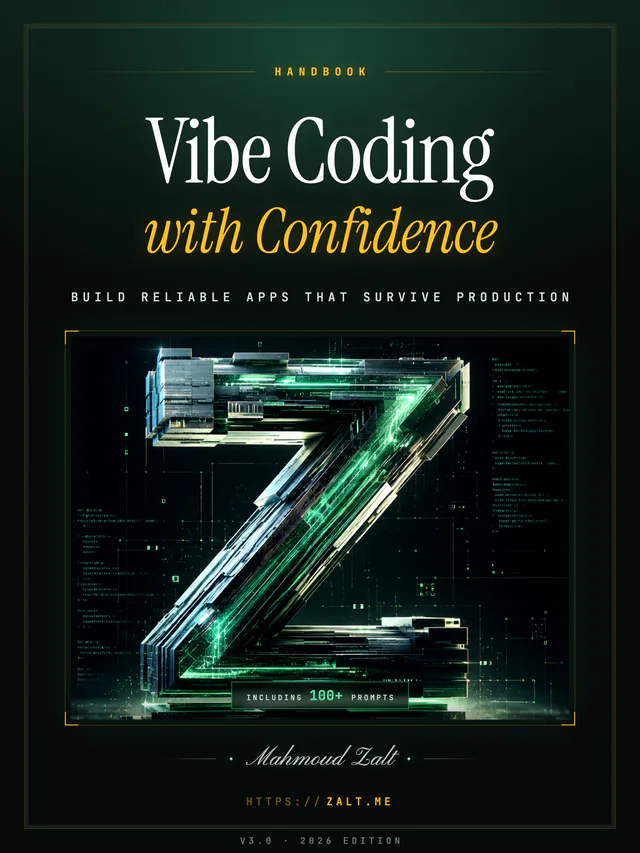
Free at zalt.me/guides/vibe-coding, and it's the only book here that keeps changing after publication instead of freezing at a print date. 142+ chapters cover the entire build lifecycle, planning, requirements, architecture, building, hardening, shipping, and it's the only entry with copyable prompts built into the chapters themselves, plus a companion reading experience. No star rating quoted here on purpose, since there's no storefront generating one, that's an honest gap, not a hidden one.
2. Vibe Coding (Gene Kim & Steve Yegge)
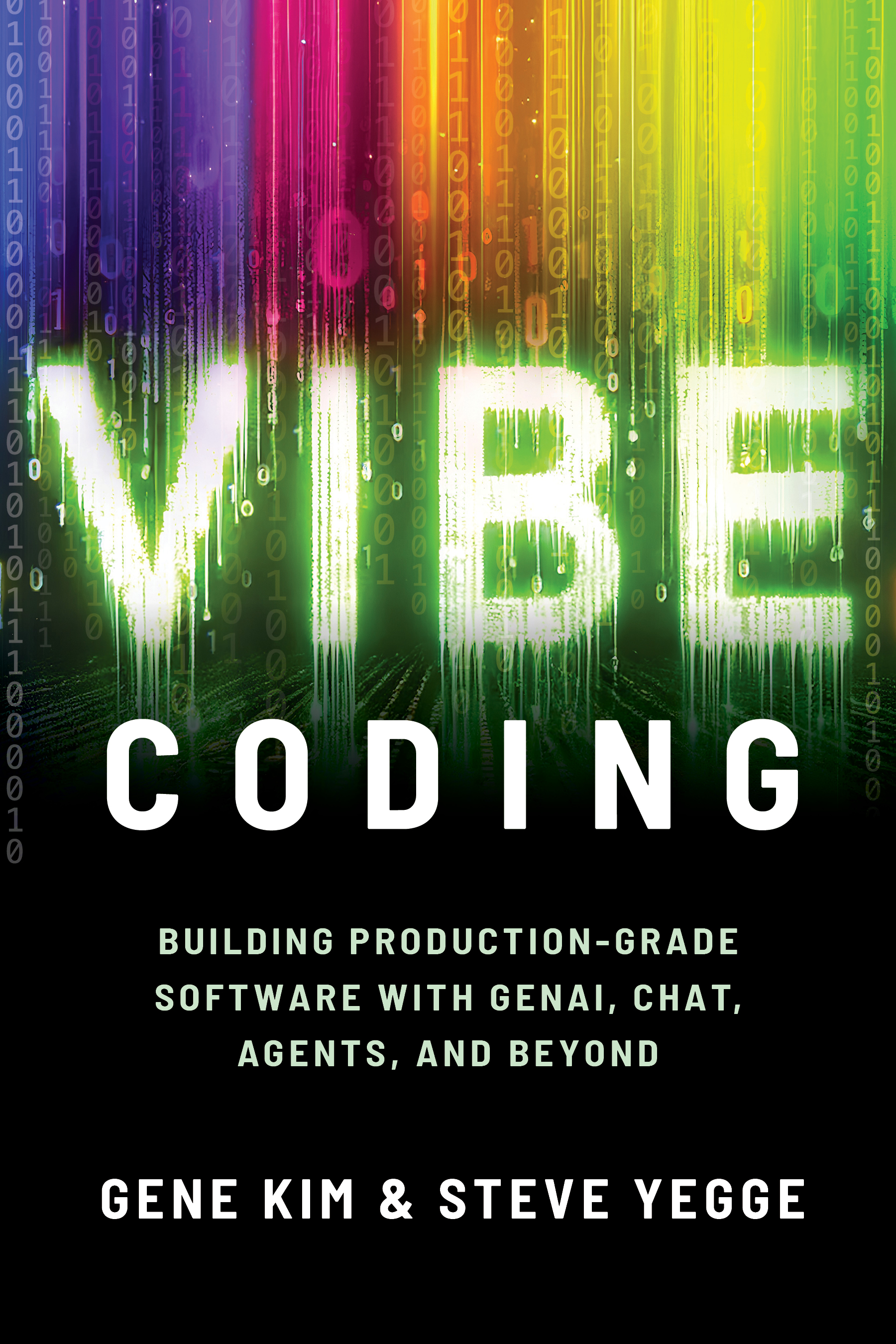
Vibe Coding: Building Production-Grade Software With GenAI, Chat, Agents, and Beyond, published through IT Revolution and Simon & Schuster, with contributions from Dario Amodei. 400+ Goodreads ratings and a 2026 Axiom Gold award make this the most credentialed, most independently reviewed title on this entire list. Buy it at Simon & Schuster. See my full review, what's inside it, and how it stacks up in a direct comparison.
3. Beyond Vibe Coding (Addy Osmani)
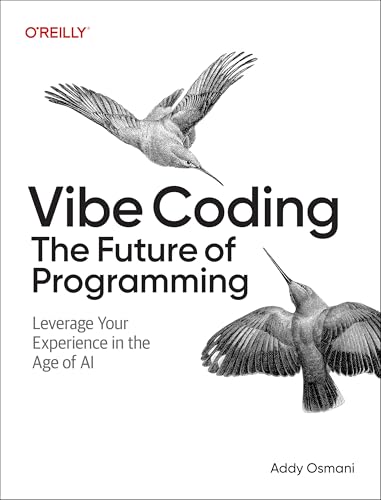
Beyond Vibe Coding: From Coder to AI-Era Developer, from O'Reilly, written by a Google Chrome engineering lead. Squarely for working developers adapting an existing practice, not a beginner's introduction. Available via O'Reilly, full details in my review.
4. Vibe Engineering (Tomasz Lelek & Artur Skowronski)
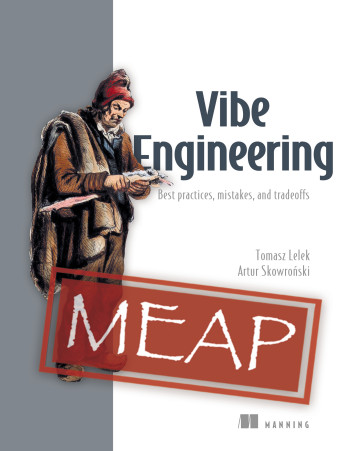
Currently a Manning Early Access Program title, meaning it's still being written chapter by chapter rather than sold as a finished book. It proposes a provider-agnostic framework for keeping AI-assisted code changes small and reviewable, aimed at engineering teams. Worth tracking, worth knowing it's unfinished. Find it at cabh.in.
5. The Vibe Coding Playbook (Siraj Raval)
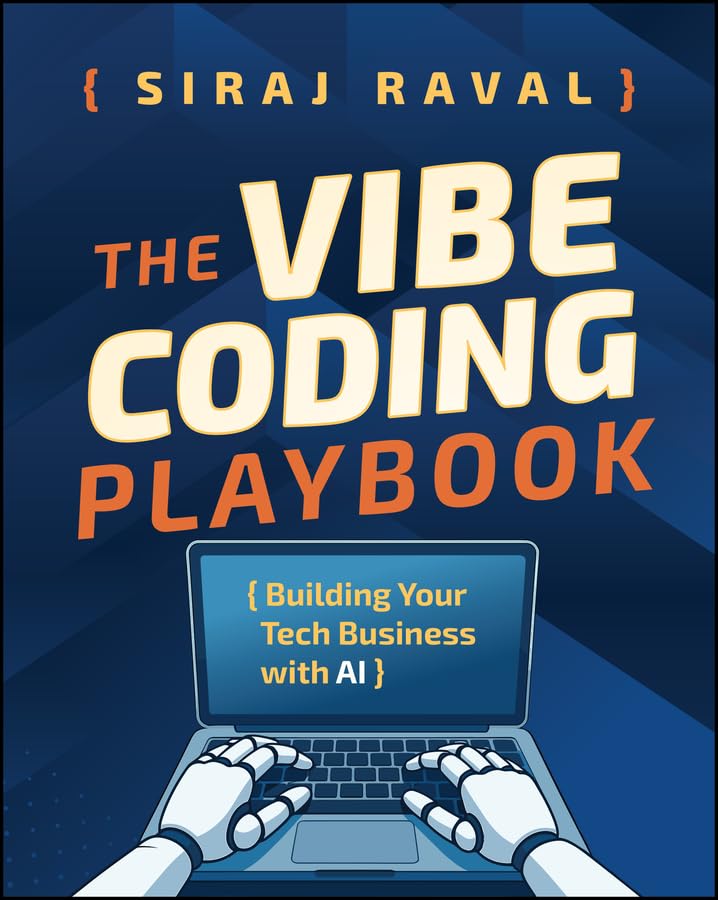
The Vibe Coding Playbook: Building Your Tech Business with AI, published by Wiley. A business-first playbook for non-technical founders that treats AI as a "technical co-founder", strong on problem selection and go-to-market thinking, light on engineering rigor by design. Available on Amazon. Full review here.
6. Vibe Coding Bible (Tom Smykowski)
A 459-page guide sold directly by the author at vibecodingbible.org, self-published as an info-product rather than distributed through a retailer or traditional publisher, and with no independent review base to check it against. That doesn't make it worthless, but it does mean you're trusting the author's own marketing more than anywhere else on this list. I've gone deeper in a full review and a breakdown of what's inside.
7. Vibe Coding by Example (H. Peter Alesso)
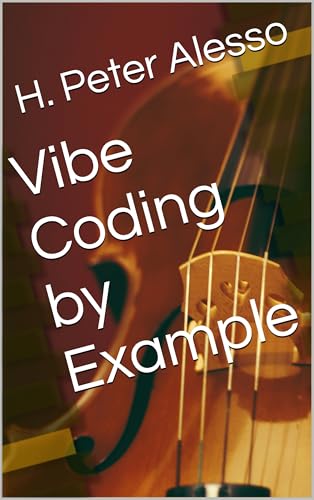
Self-published, part of a broader AI book series from the same author, listed for real on Goodreads, but with a very small independent review base so far. Treat it as an unproven option rather than a vetted one.
8. Vibe Coding for Beginners Made Easy (David M. Patel)
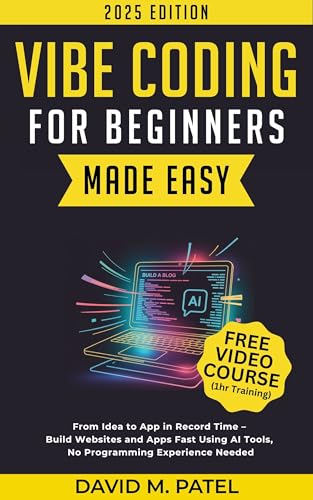
Full title Vibe Coding for Beginners Made Easy: From Idea to App in Record Time, self-published and genuinely aimed at absolute beginners, but with a tiny review base on Goodreads. The beginner focus is real, the independent vetting is not there yet.
9. Vibe Coding with Cursor, Windsurf, and Lovable (Packt)
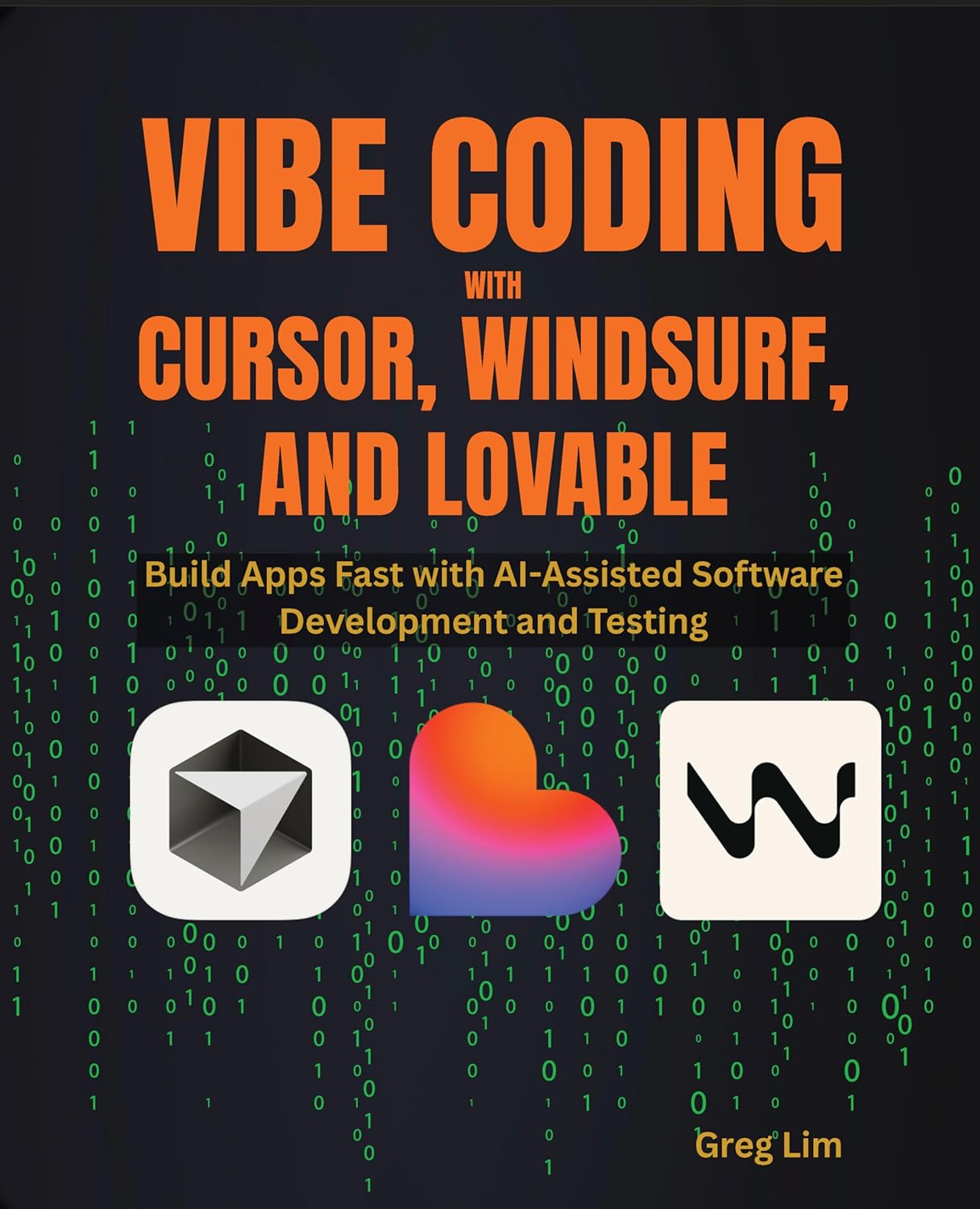
Published by Packt but scoped narrowly to three specific tools, Cursor, Windsurf, and Lovable, rather than the discipline broadly. Only a good fit if you've already committed to that exact toolchain, which is a fair trade for depth but a real limitation if your stack changes. Find it at cabh.in.
10. Anyone Can Vibe Code (Marcus Valen)
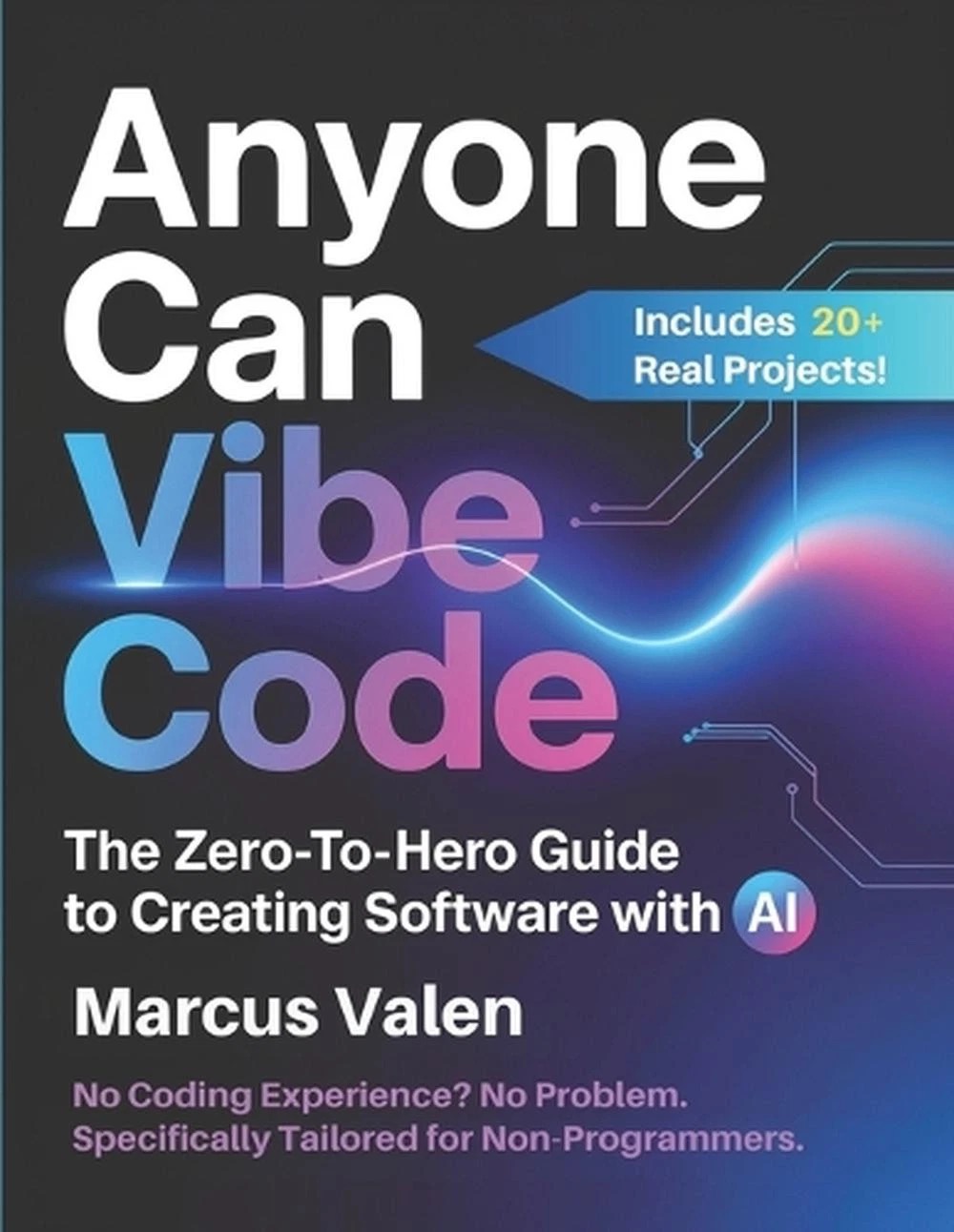
Full title Anyone Can Vibe Code: The Zero-to-Hero Guide to Creating Software with AI, self-published, pitched at people who've never coded before, and sold mainly through secondary marketplaces like eBay rather than a traditional storefront. No independent review base yet, worth knowing before you buy.
How this order was decided
The top three are ordered by a mix of scope and independent credibility: free and comprehensive beats a single publisher's catalog entry, and a publisher with 400+ ratings beats one with none. From there, the order tracks how narrowly scoped a book is, whether it's finished, and whether there's any independent evidence backing the claims on the cover. Self-published doesn't automatically mean bad, several of these are genuinely useful for the narrow thing they promise, but a reader deserves to know which books have been checked by anyone besides the author before spending money on them.
Frequently Asked Questions
Is the free handbook really as thorough as the paid books on this list?
It covers more ground than any single paid title here, 142+ chapters across the full build lifecycle, and it keeps getting updated after publication, which none of the print titles do.
Which of these books has the most independent reviews?
Gene Kim and Steve Yegge's Vibe Coding, with 400+ Goodreads ratings and a 2026 Axiom Gold award. It's the clear leader on independent credibility.
Are the self-published titles on this list worth reading?
Some are genuinely useful for their narrow promise, particularly the beginner-focused ones, but none of them have an independent review base yet, so you're relying more on the author's own description than anywhere else on this list.
Start free, then go deeper where you need to
Start with the free handbook since there's zero cost to trying it, then add the Kim and Yegge book if you want the most vetted deep dive, or one of the narrower titles if your need is specific, tool-scoped, or beginner-focused. For a shorter, tighter list, see the top 5, ranked.