
The 5 Vibe Coding Books, Ranked
Here's the ranking, and the reasoning behind each spot: 1) Vibe Coding with Confidence, 2) Vibe Coding by Gene Kim and Steve Yegge, 3) Beyond Vibe Coding by Addy Osmani, 4) Vibe Engineering by Tomasz Lelek and Artur Skowronski, 5) The Vibe Coding Playbook by Siraj Raval. Each of these five is aimed at a genuinely different reader, a beginner and a founder shouldn't reach for the same book, so "ranked" here means ranked for overall usefulness across the widest range of readers, with notes on who each one actually fits.
I'm Mahmoud Zalt, an independent AI architect, 16 years building and shipping production software. Book one on this list is mine, so read the rest of this with that disclosed upfront.
1. Vibe Coding with Confidence
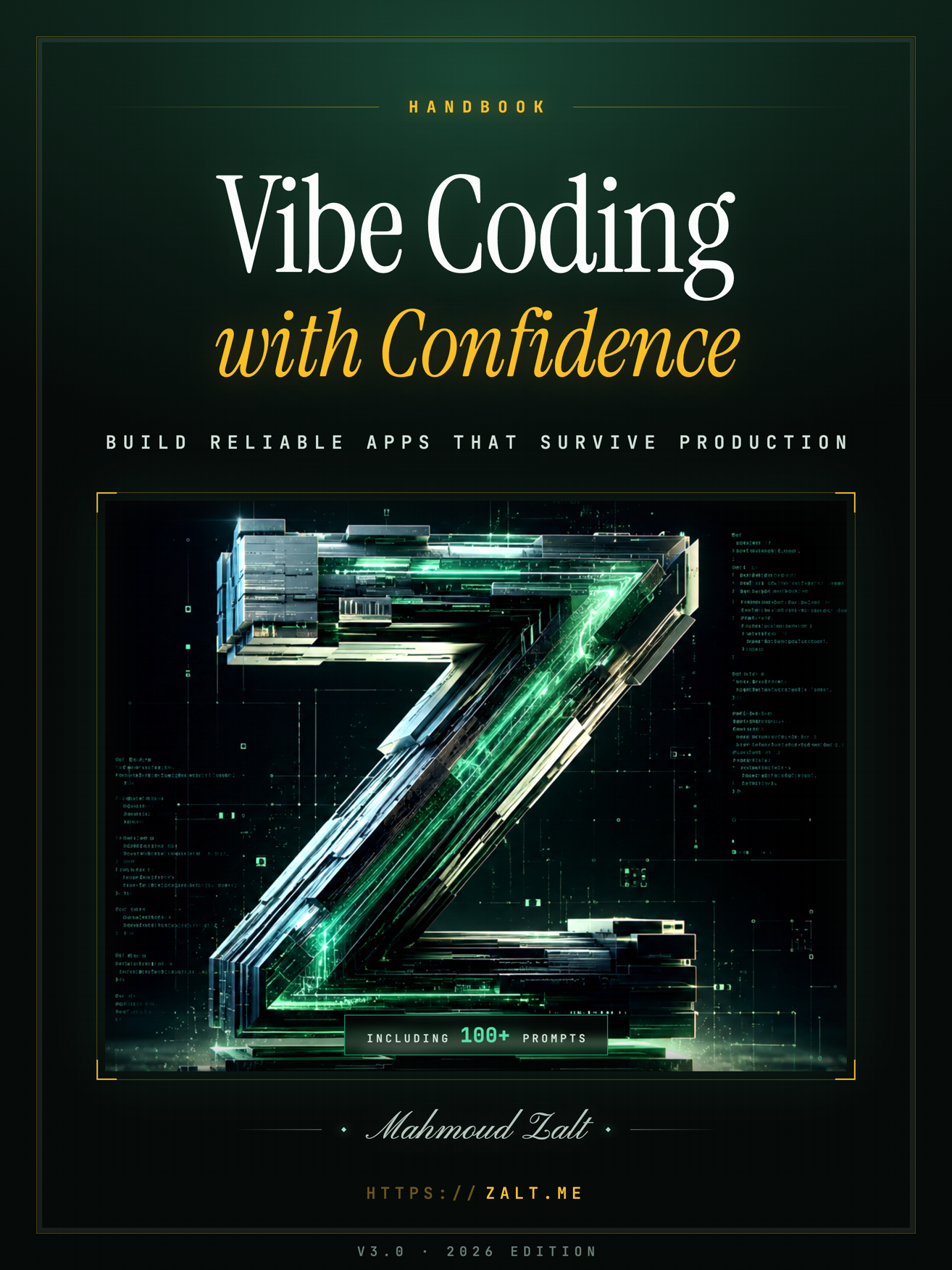
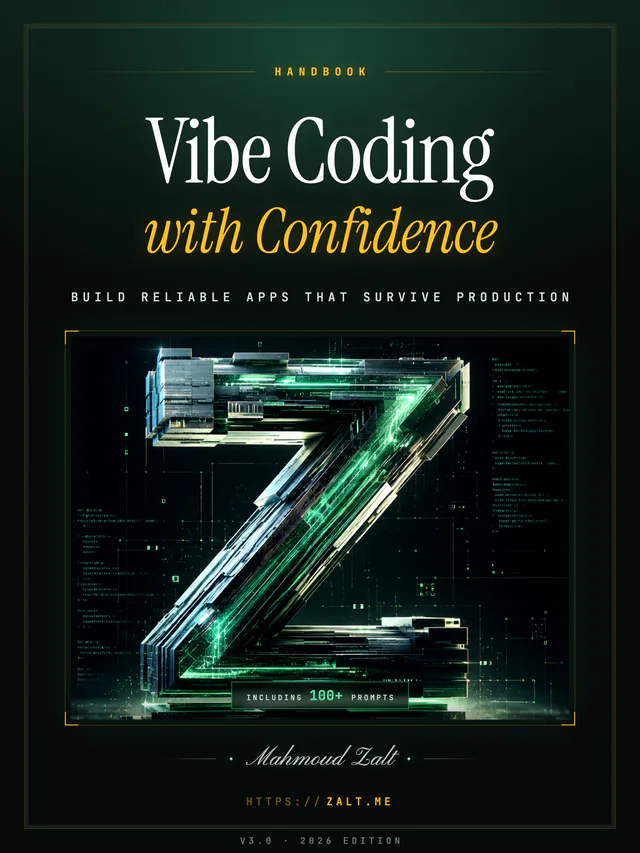
Free at zalt.me/guides/vibe-coding, and unlike everything else on this list, it doesn't stop getting updated the day it's published. 142+ chapters walk the full lifecycle from planning and requirements through architecture, building, hardening, and actually shipping, and it's the only entry here with copyable prompts built directly into the chapters. No star rating to quote, because there's no storefront churning them out, that's a fair tradeoff for something with no price tag attached.
2. Vibe Coding (Gene Kim & Steve Yegge)
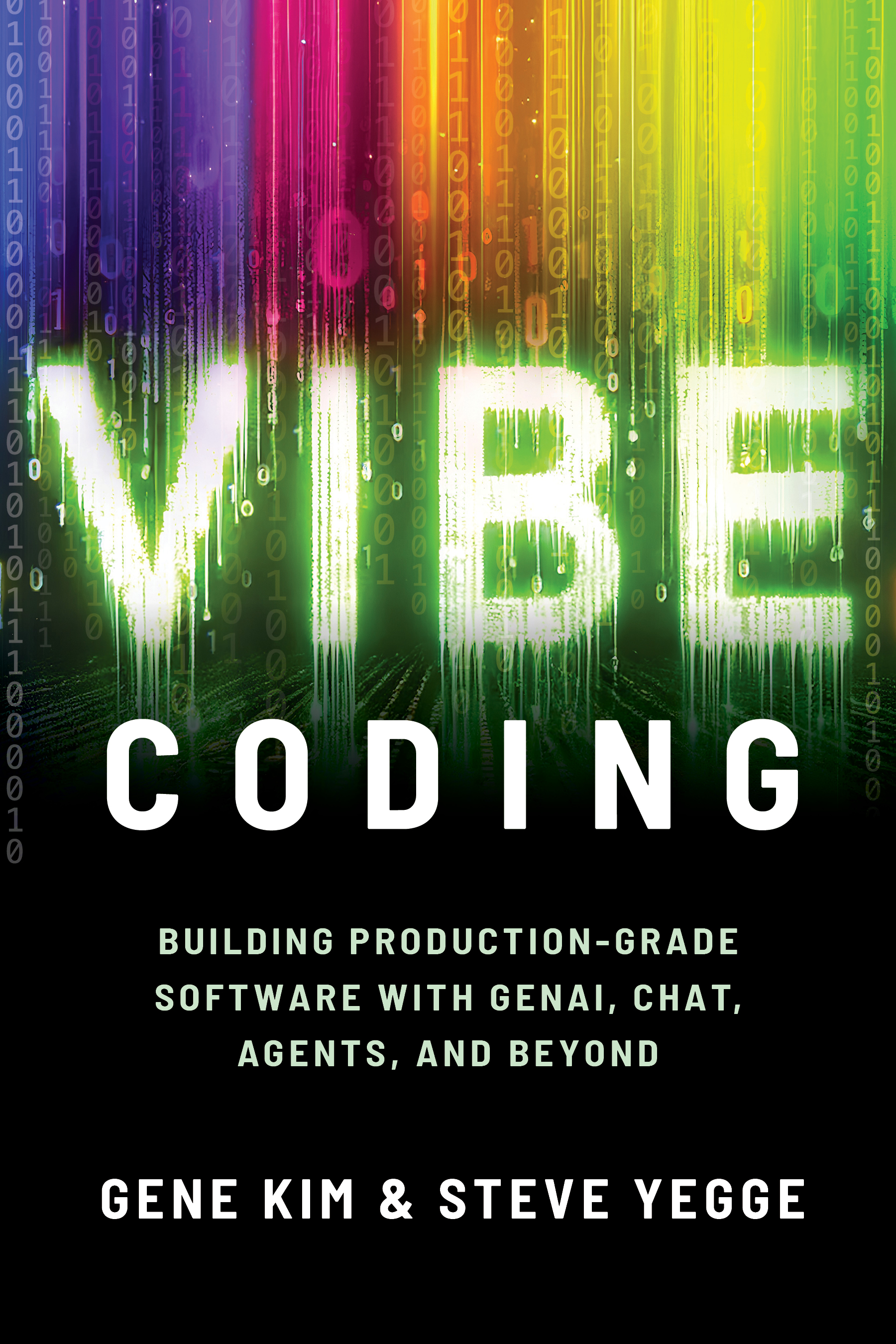
Vibe Coding: Building Production-Grade Software With GenAI, Chat, Agents, and Beyond, out via IT Revolution and Simon & Schuster, contributions from Dario Amodei, 400+ Goodreads ratings, and a 2026 Axiom Gold award to its name. Nothing else in this category comes close to that level of independent vetting. Buy it at Simon & Schuster, or read my full review, a breakdown of what's inside it, or a direct comparison against my own book.
3. Beyond Vibe Coding (Addy Osmani)
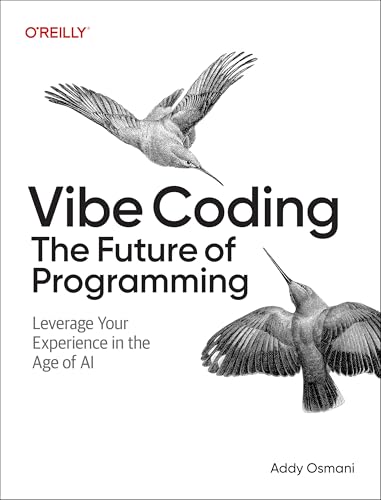
Beyond Vibe Coding: From Coder to AI-Era Developer, from O'Reilly, written by a Google Chrome engineering lead. It's aimed squarely at people already writing code for a living who need to update how they work with an AI assistant in the loop, not people starting from zero. Get it via O'Reilly, and see my full review for who it's a fit for.
4. Vibe Engineering (Tomasz Lelek & Artur Skowronski)
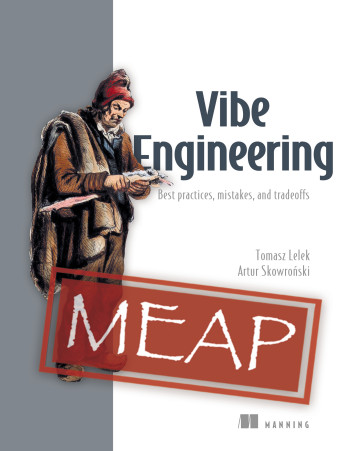
Currently a Manning Early Access Program title, meaning it's still being written chapter by chapter rather than finished, worth knowing before you buy in. It proposes a provider-agnostic framework for keeping AI-assisted code changes small and reviewable, aimed at engineering teams rather than solo builders. Ranked fourth mainly because it's incomplete as of this writing, not because the framework itself is weak. Find it at cabh.in.
5. The Vibe Coding Playbook (Siraj Raval)
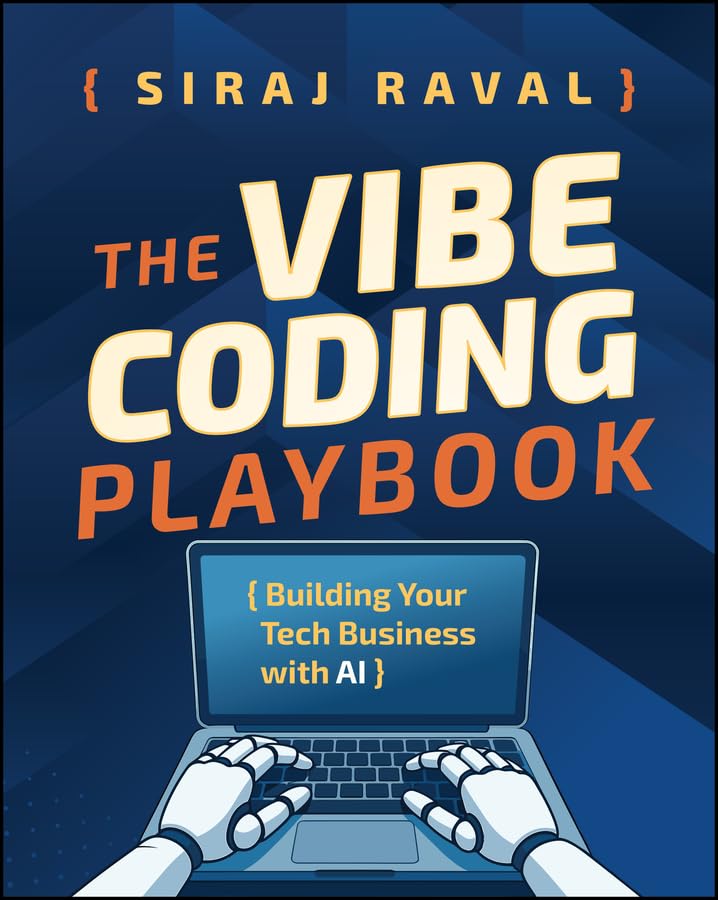
The Vibe Coding Playbook: Building Your Tech Business with AI, published by Wiley. It's a business-first read for non-technical founders, framing AI as a "technical co-founder", and it's genuinely strong on problem selection and go-to-market thinking. It's light on engineering rigor by design, so it lands fifth here for a technical audience, though it would rank higher on a founder-focused list. Find it on Amazon, and read my full review for the detail.
Where to start
Start with the free handbook since there's no cost or commitment involved, then pick up Kim and Yegge if you want the most vetted production-grade take, or the Osmani or Playbook titles depending on whether you're a working developer or a founder. For the wider field beyond these five, see the top 10 roundup.