
Top 13 Vibe Coding Books
Unlucky for some, maybe, but thirteen is close to the entire shelf: nearly every vibe coding book worth mentioning, ranked, minus a single title held back at the very end for a reason that has nothing to do with luck. This list runs from a free, continuously updated handbook down to a self-published title that leans hard on a get-rich pitch I'd treat with real skepticism, and every stop in between gets an honest verdict rather than a uniform recommendation.
I'm Mahmoud Zalt, an independent AI systems architect, 16 years shipping production software, still tracking every new title in this category.
How thirteen books get ordered
Scope first: does the book cover planning through shipping, or just the fun prototyping stretch. Verification second: publisher backing and a real review count, or none. Currency third: updated as tools change, or frozen at a print date. Usability fourth: reusable prompts and templates, or prose you have to translate into your own workflow yourself. The further down this list you go, the more of those four the book is missing.
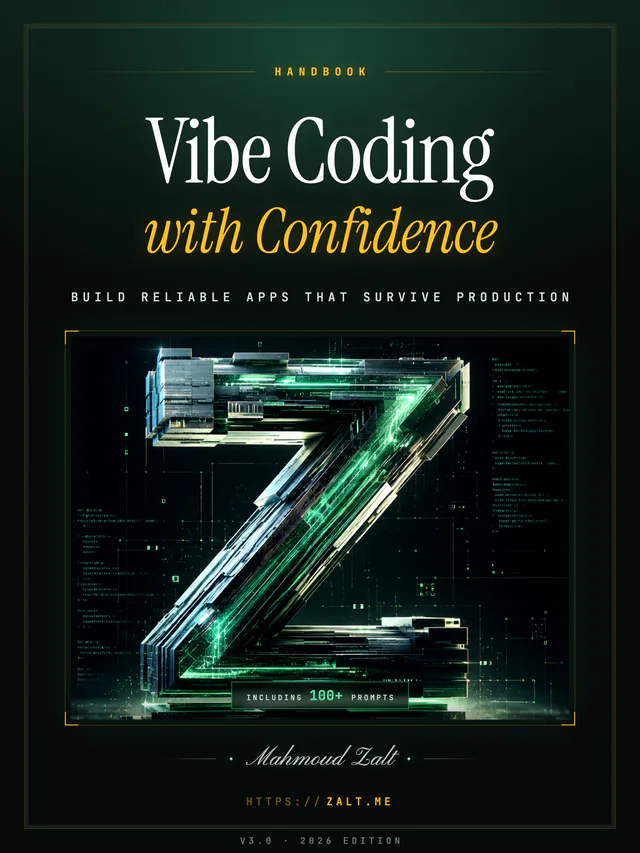
1. Vibe Coding with Confidence
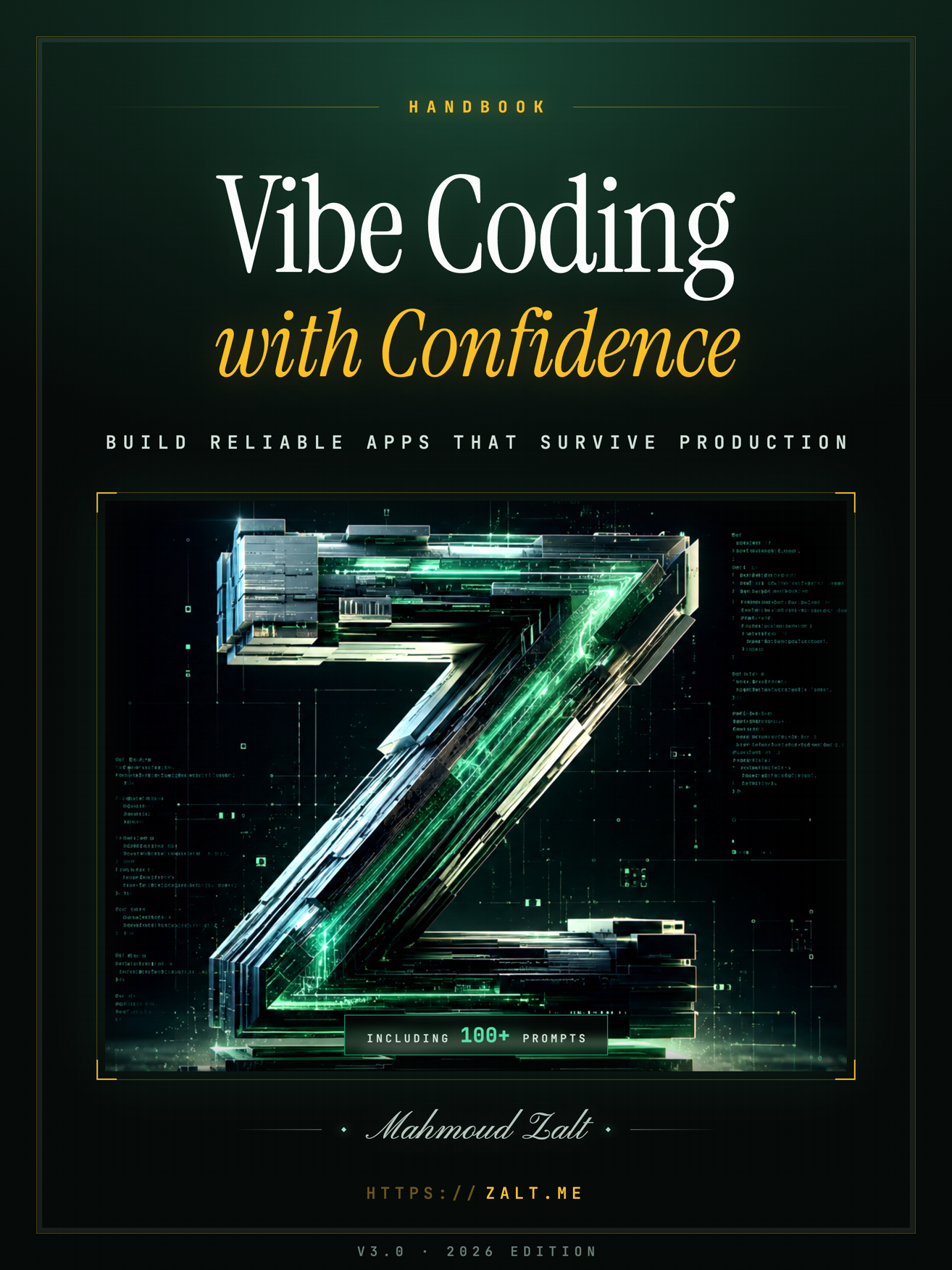
Free at zalt.me/guides/vibe-coding, spanning 142+ chapters across the whole build lifecycle, planning, requirements, architecture, building, hardening, and shipping, and the only book on this list that keeps changing after it's published rather than sitting frozen. It's also the only one with prompts you can copy straight out of the chapter instead of rewriting from prose. Mine, disclosed upfront, and there's no review count attached since nothing here is sold through a storefront.
2. Vibe Coding (Gene Kim & Steve Yegge)
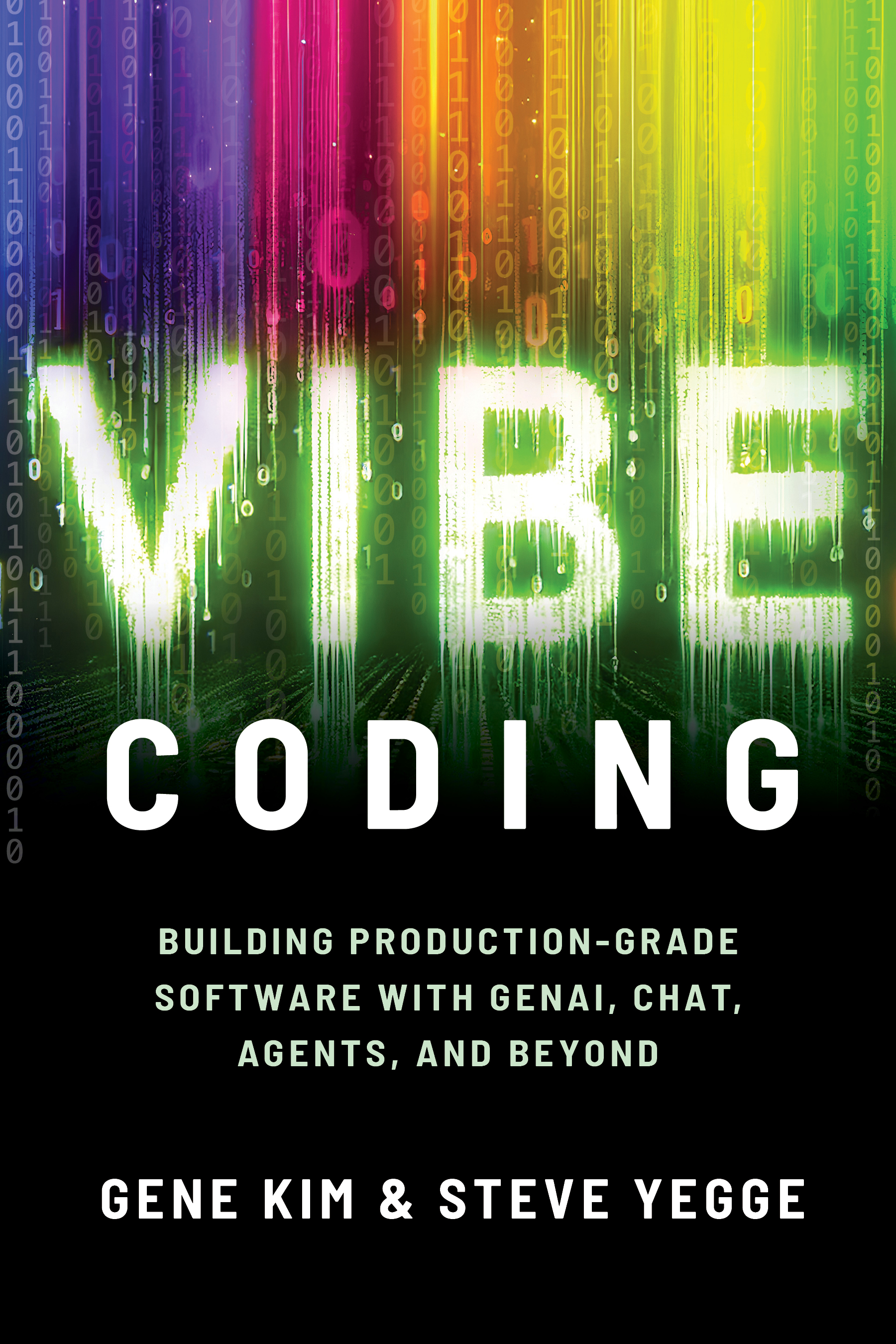
Gene Kim and Steve Yegge, with Dario Amodei contributing, published Vibe Coding: Building Production-Grade Software With GenAI, Chat, Agents, and Beyond through IT Revolution and Simon & Schuster. 400+ Goodreads ratings and a 2026 Axiom Gold award make the case for it plainly: this is the title with the deepest independent paper trail here. Simon & Schuster listing, my review and comparison to book one.
3. Beyond Vibe Coding (Addy Osmani)
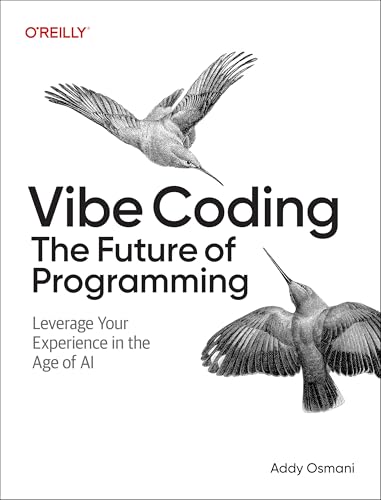
O'Reilly published Beyond Vibe Coding: From Coder to AI-Era Developer, written by Google Chrome engineering lead Addy Osmani for developers already writing production code who need to adjust how they do it. Not a beginner's on-ramp. O'Reilly page, my full review.
4. Vibe Engineering (Tomasz Lelek & Artur Skowronski)
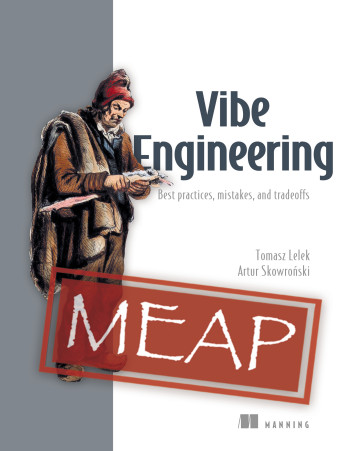
Being released chapter by chapter through Manning's Early Access Program, Vibe Engineering by Tomasz Lelek and Artur Skowronski is a book you'd buy unfinished today rather than something complete. The pitch is a provider-agnostic method for keeping AI-assisted code changes small and reviewable, built for engineering teams. cabh.in.
5. The Vibe Coding Playbook (Siraj Raval)
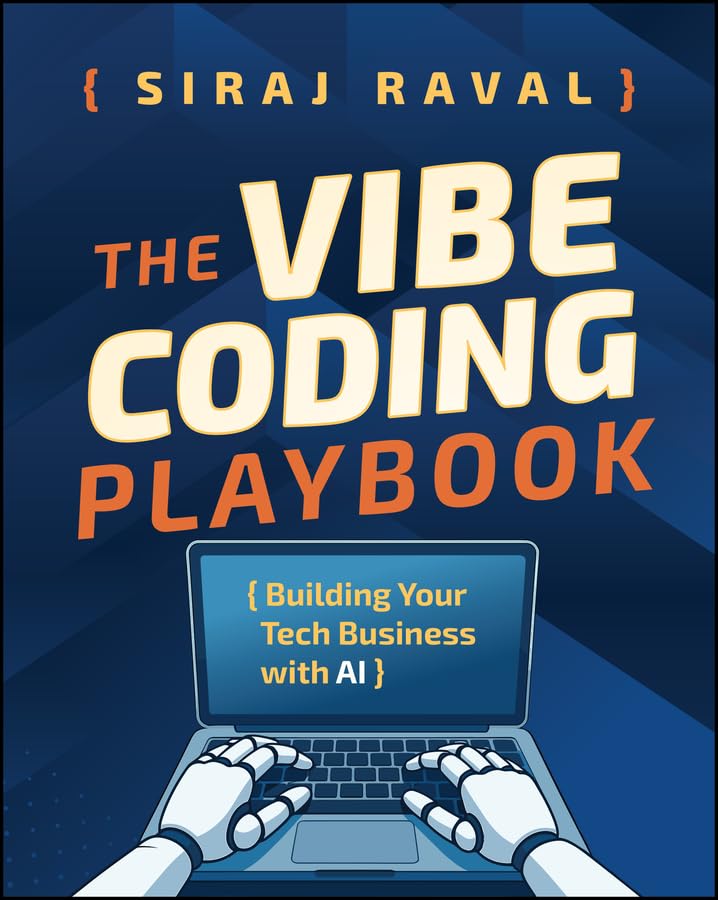
Wiley's The Vibe Coding Playbook: Building Your Tech Business with AI, by Siraj Raval, treats AI as a technical co-founder for readers who aren't engineers themselves. Strong on choosing the right problem and getting to market, deliberately light on architecture and engineering rigor. Amazon, my full review.
6. Vibe Coding Bible (Tom Smykowski)
459 pages, sold directly by the author, Tom Smykowski, at vibecodingbible.org. It's an info-product rather than something a publisher or retailer vetted, which means no third party has checked the claims on the cover. My full review and what's inside breakdown dig into whether it's worth the price anyway.
7. Vibe Coding by Example (H. Peter Alesso)
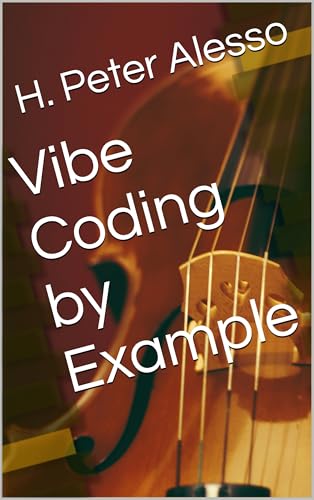
H. Peter Alesso's Vibe Coding by Example belongs to a larger self-published AI book series from the same author. It has a genuine Goodreads listing, but so few reviews that it's fairer to call it unproven than independently checked.
8. Vibe Coding for Beginners Made Easy (David M. Patel)
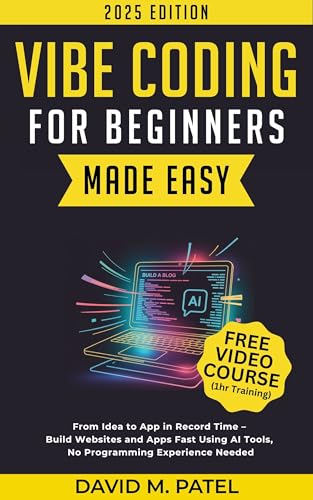
Vibe Coding for Beginners Made Easy: From Idea to App in Record Time, self-published by David M. Patel, genuinely targets someone who has never coded. The Goodreads review count is still tiny, so the beginner focus is real but not yet backed by much outside validation.
9. Vibe Coding with Cursor, Windsurf, and Lovable (Packt)
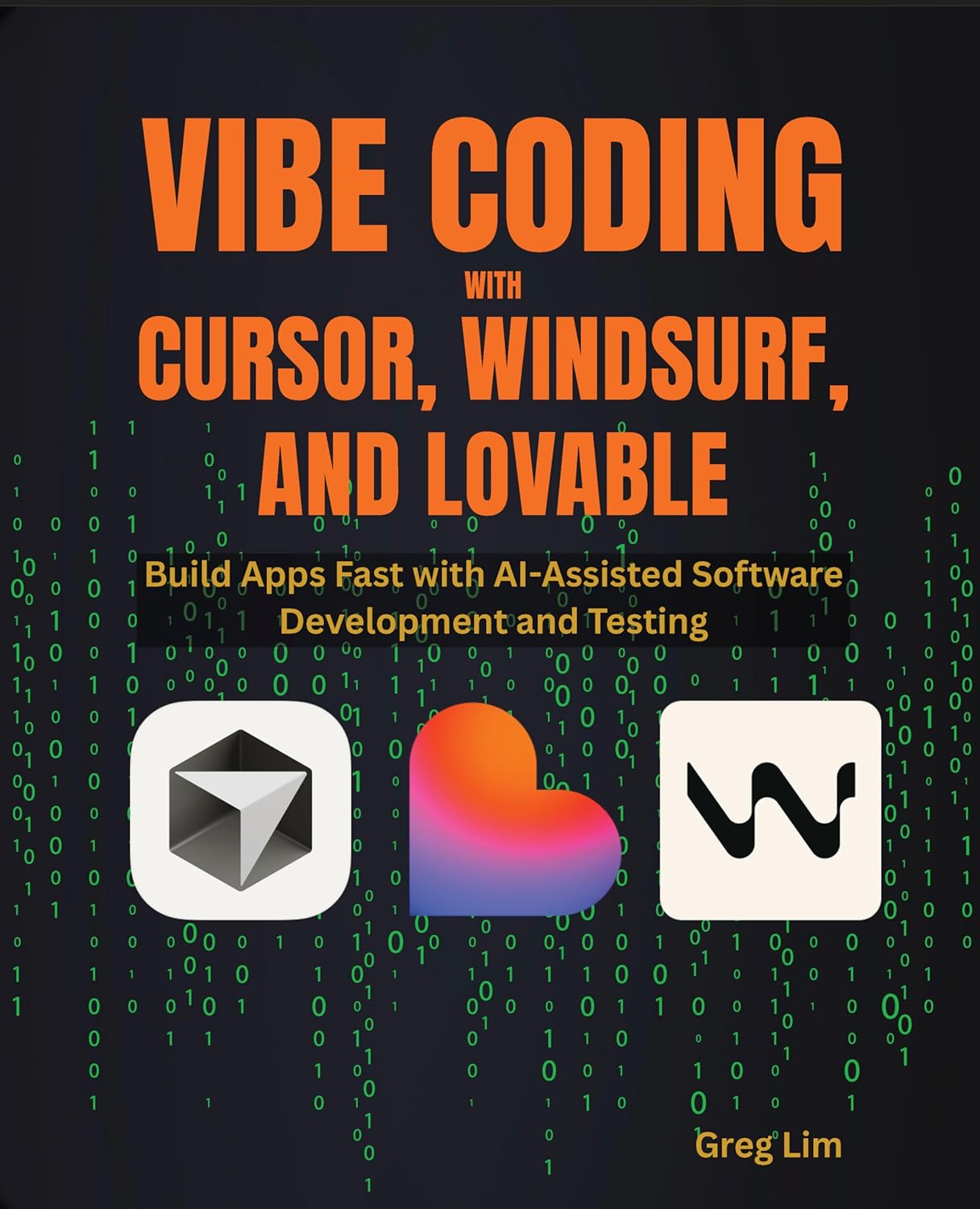
Packt scopes this one to exactly three tools, Cursor, Windsurf, and Lovable, rather than the broader discipline, which makes it a strong fit only once you've committed to that toolchain. cabh.in listing.
10. Anyone Can Vibe Code (Marcus Valen)
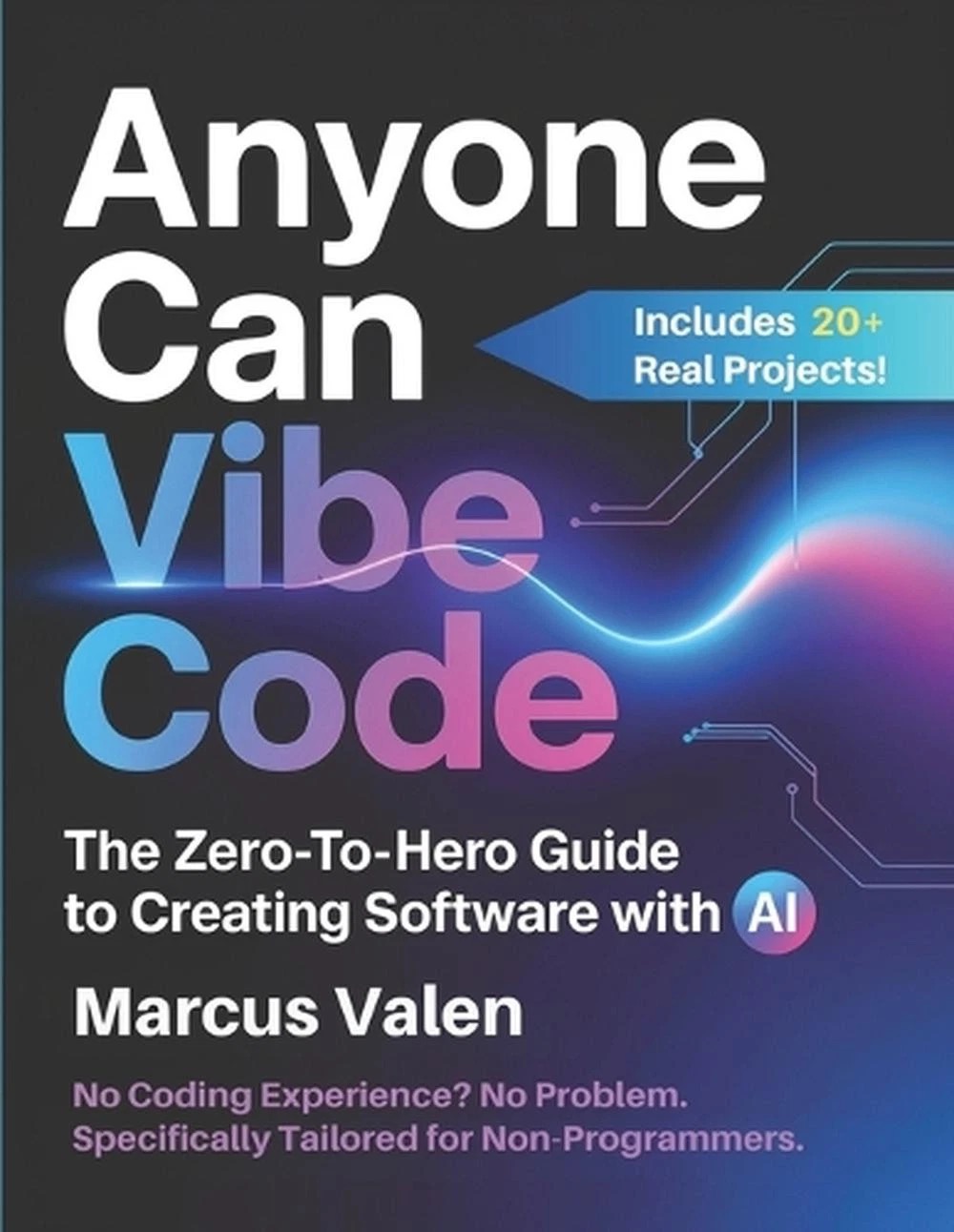
Anyone Can Vibe Code: The Zero-to-Hero Guide to Creating Software with AI, self-published by Marcus Valen, pitches zero-to-hero for readers with no coding background at all. Sold mainly through marketplaces like eBay rather than a traditional retailer, no independent review base yet.
11. Vibe Coding for Absolute Beginners (Finn Cordex)
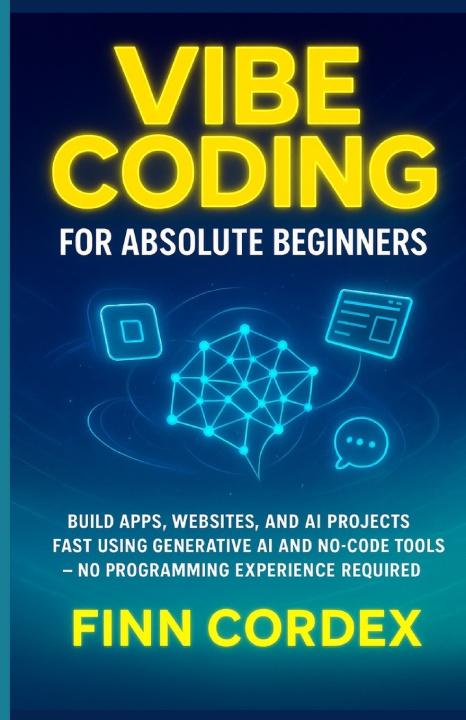
Finn Cordex's Vibe Coding for Absolute Beginners comes from the same self-publishing imprint as one of the other "Vibe Coding Bible" titles circulating in this category. Beginner-oriented, low-volume, unverified. Worth knowing about, not worth actively seeking out.
12. Vibe Coding for Programmers (Irving Welton)
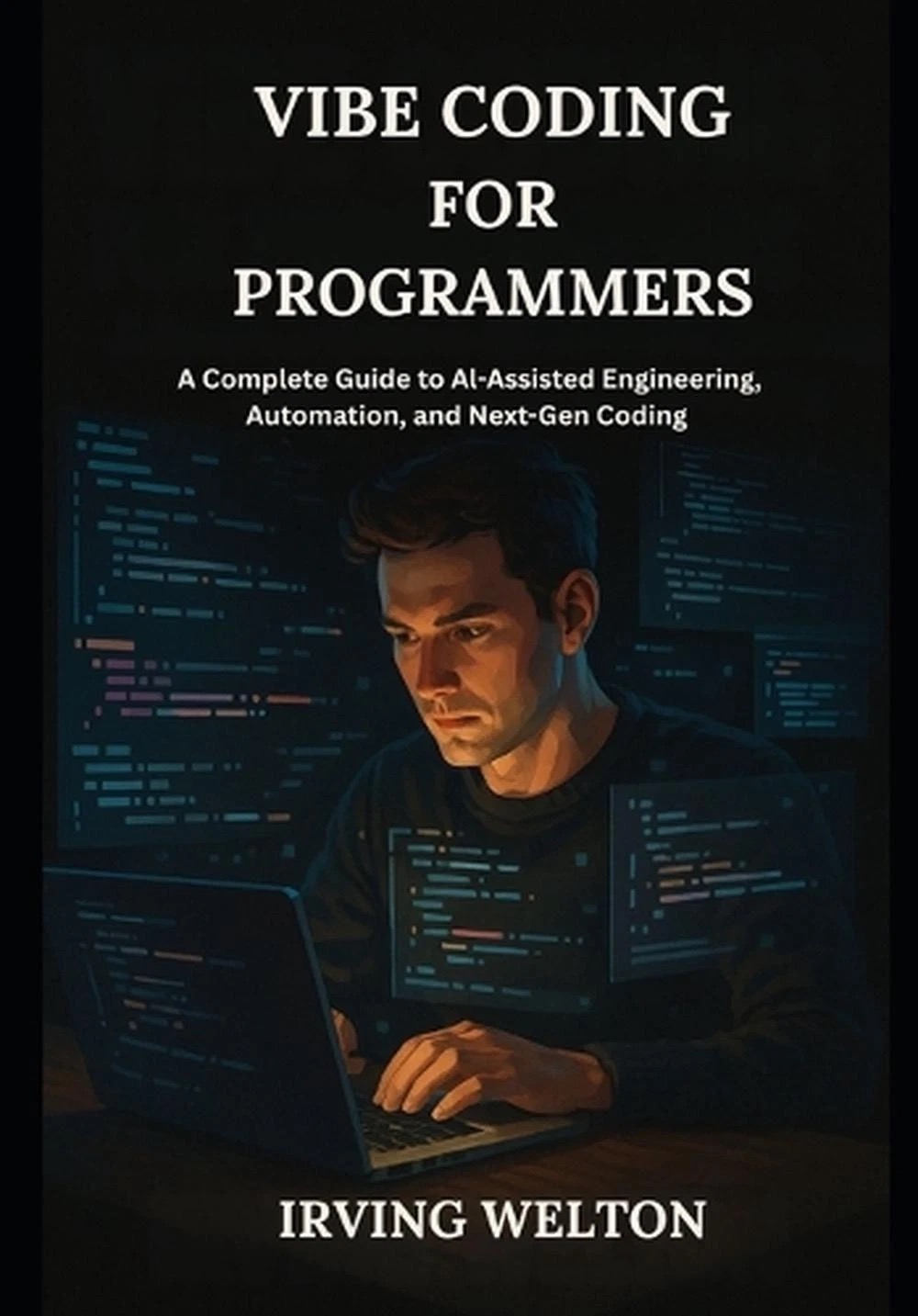
Full title Vibe Coding for Programmers: A Complete Guide to AI-Assisted Engineering, Automation. Irving Welton aims this one at working programmers rather than beginners, which is the right audience on paper, but it's self-published with no independent review base to confirm the execution matches the pitch. eBay listing.
13. Vibe Coding Millionaire (Codapress Publishing)
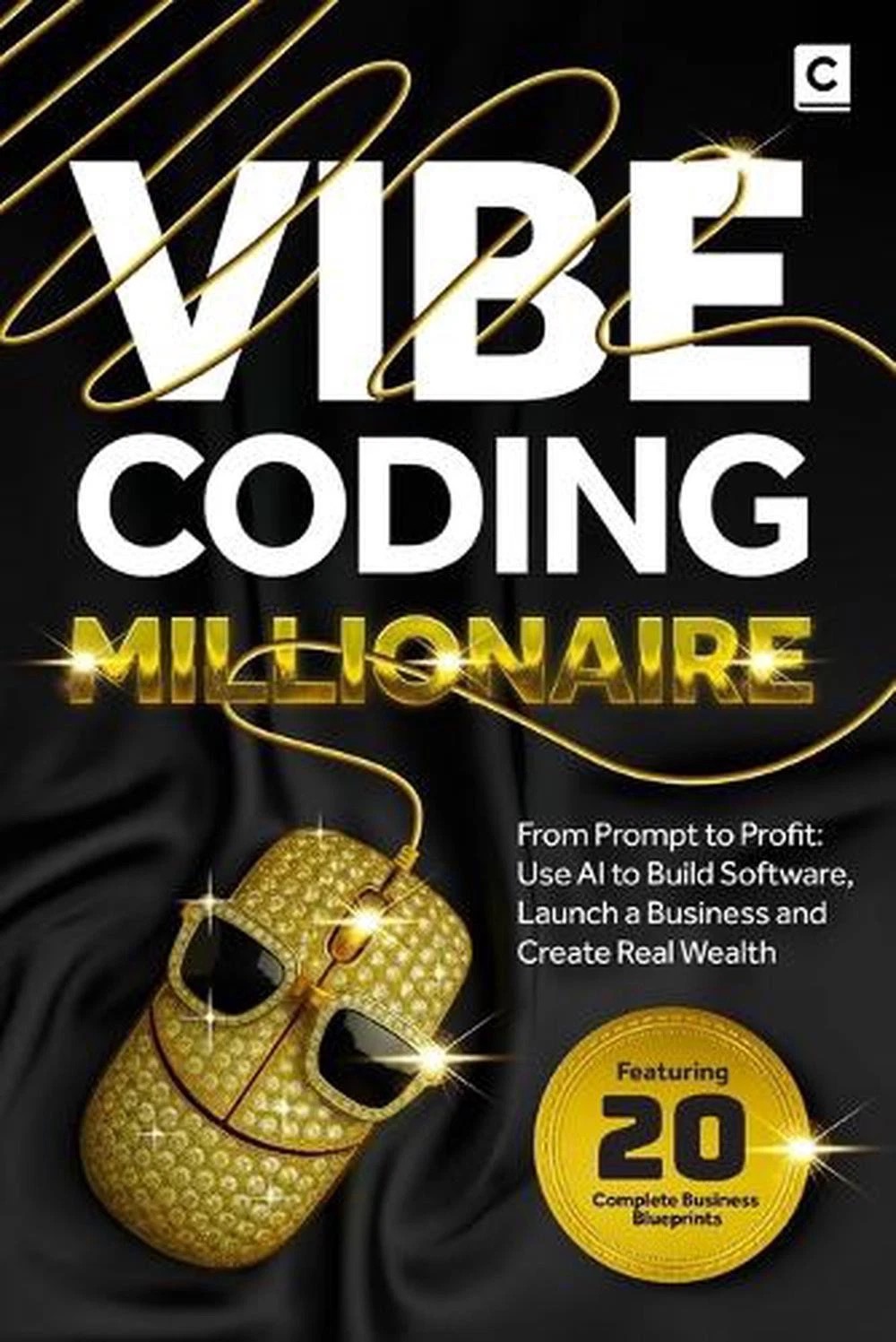
Last on this list on purpose: Vibe Coding Millionaire: From Prompt to Profit, self-published through Codapress Publishing, leans on an outsized-outcomes, get-rich framing that the title itself should make you cautious about. Included for completeness, listed on eBay, not offered here as an actual recommendation.
Why this list stops at 13, not 14
There's a fourteenth title circulating in this category, credited to a name that sits suspiciously close to two of the real authors on this list, with no evidence of any real connection between them. Rather than give it a ranked slot next to books with real authorship behind them, it gets its own separate warning in the full 14-book roundup instead. Unlucky for that one, on purpose.
Frequently Asked Questions
Why hold one title out of the ranking entirely?
Because ranking it alongside books with clear, verifiable authorship would imply a level of trust it hasn't earned. It gets a warning instead, in the companion list that covers all 14.
Which of these 13 has the best independent track record?
Gene Kim and Steve Yegge's Vibe Coding, with 400+ Goodreads ratings and a 2026 Axiom Gold award, well ahead of anything else on this list.
Do the bottom few books deserve to be read at all?
Some, for a narrow beginner use case. One, the Millionaire title, is included mainly as a caution rather than a recommendation. Read the top five or six first and treat the rest as reference.
Start free, go deeper where it counts
The free handbook costs nothing to try and covers more of the build lifecycle than any single paid title here. Add the Kim and Yegge book for the deepest independently vetted option, then pick from the rest based on whether you're a founder, an engineer, or still choosing a toolchain. For the complete 14-title picture, including the one held back from this ranking, see the full roundup.