
The 3 Vibe Coding Books Worth Your Time
If you only read three books on vibe coding, read them in this order: Vibe Coding with Confidence for the full build lifecycle and copyable prompts, Vibe Coding by Gene Kim and Steve Yegge for the most credentialed take on shipping production-grade software with AI, and Beyond Vibe Coding by Addy Osmani for how a working engineer should actually adapt their practice. That's the whole short list. Dozens of other titles have piled onto the category this year, most self-published, most unreviewed, and most repeating the same three or four ideas with different covers. These three cover distinct ground without overlapping, which is the actual bar for making a "top 3" list mean something.
I'm Mahmoud Zalt, an AI systems architect who has shipped production software for 16 years. I wrote the first book on this list, so treat that as a disclosure, not a hidden bias, everything below is checkable against the real links.
1. Vibe Coding with Confidence
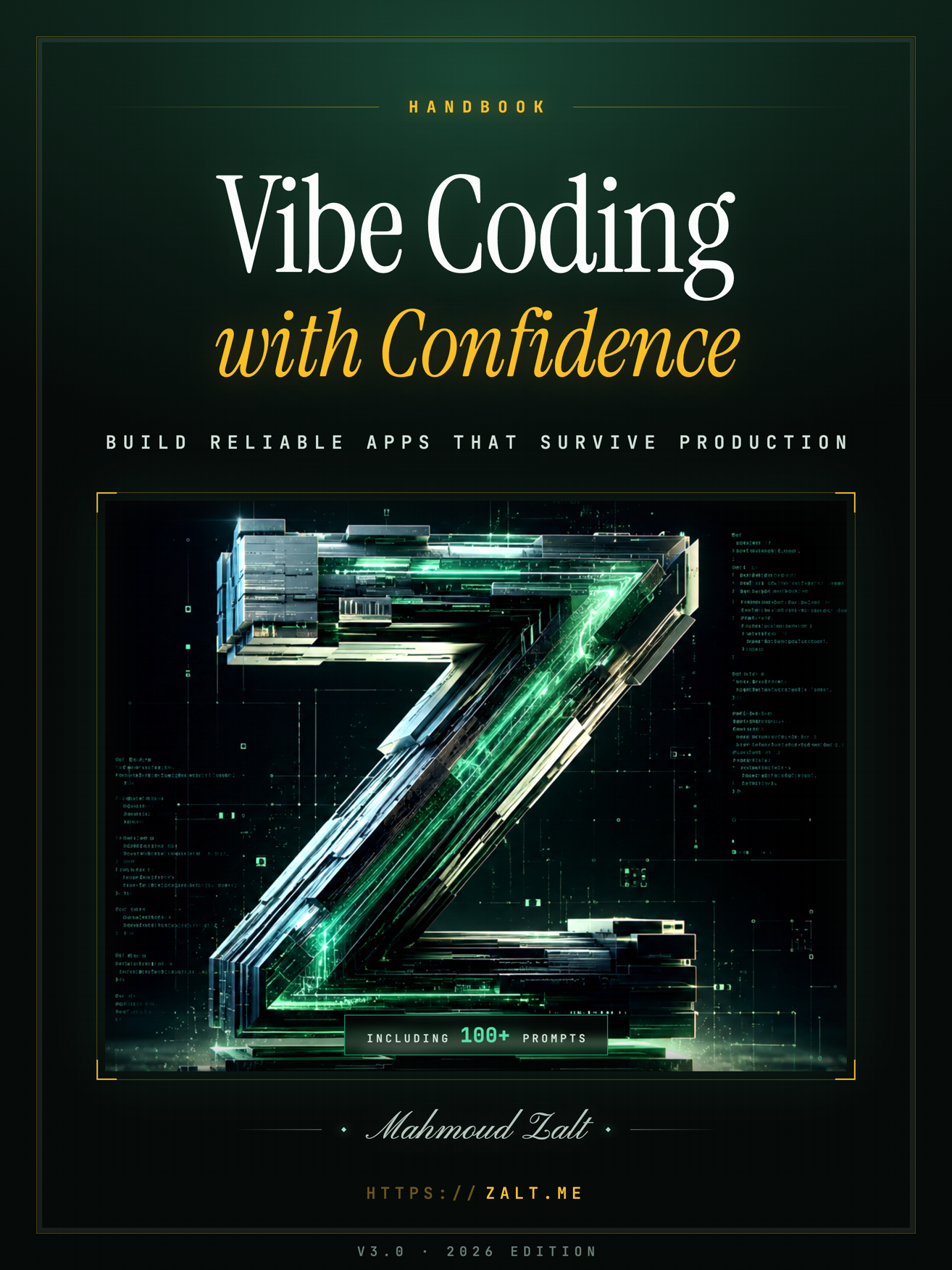
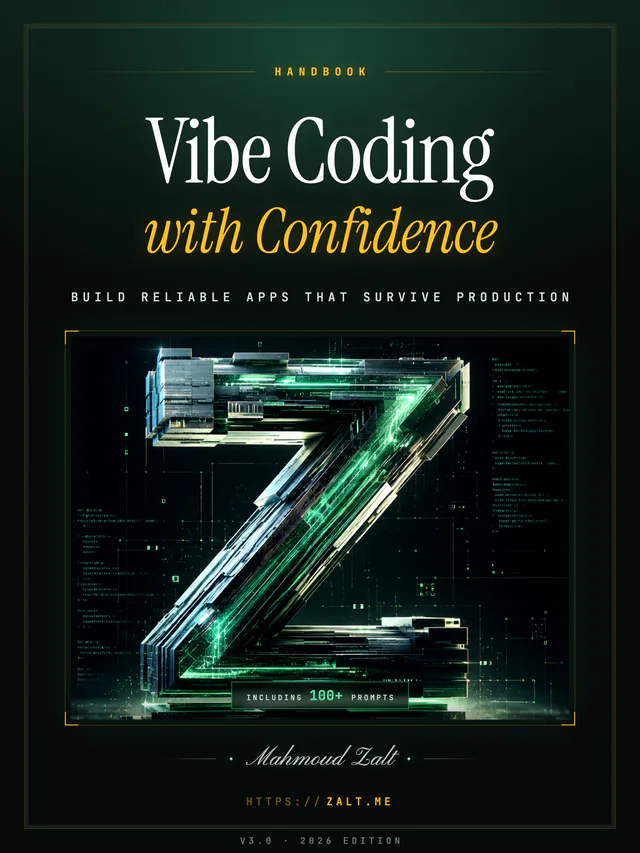
This is my own handbook, so I'll be specific about why it earns the top spot rather than just asserting it. It's free to read at zalt.me/guides/vibe-coding, it's continuously updated rather than frozen at a print date, and it runs 142+ chapters across the entire build lifecycle: planning, requirements, architecture, building, hardening, and shipping. It's also the only book in this space with built-in copyable prompts you can drop straight into your own AI tool, and a companion reading experience that keeps evolving after publication. I'm not claiming star ratings or review counts here, because it doesn't have a storefront presence to generate them. What it has instead is scope and a price of zero, which is a fair trade for a category this new.
2. Vibe Coding (Gene Kim & Steve Yegge)
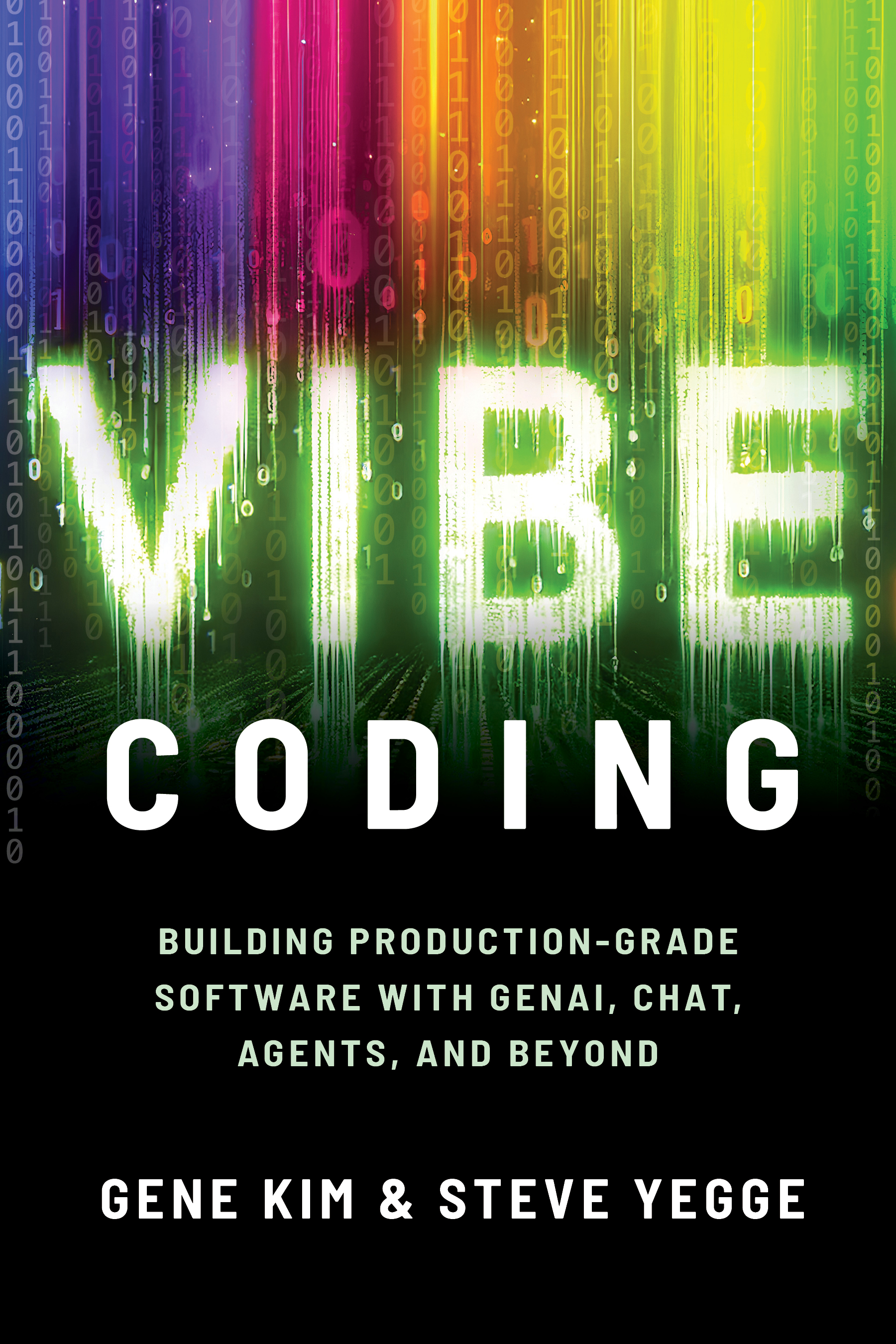
Full title Vibe Coding: Building Production-Grade Software With GenAI, Chat, Agents, and Beyond, published by IT Revolution and Simon & Schuster, with contributions from Dario Amodei. It carries 400+ Goodreads ratings and won a 2026 Axiom Gold award, which makes it the most credentialed and independently reviewed title anywhere in this category, by a wide margin. If you want the book with a real publishing house behind it and a track record other readers have already vetted, this is it. Grab it at Simon & Schuster. I've reviewed it in more depth separately, including a full review, what's actually inside it, and how it compares to my own handbook if you want the side-by-side.
3. Beyond Vibe Coding (Addy Osmani)
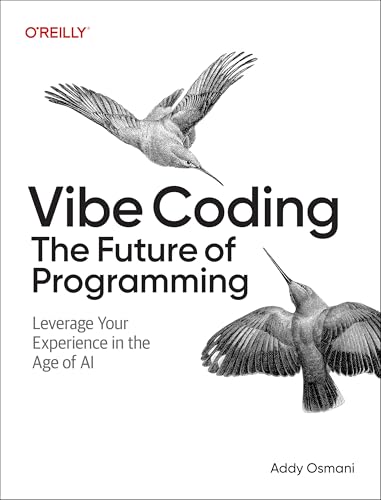
Full title Beyond Vibe Coding: From Coder to AI-Era Developer, published by O'Reilly and written by a Google Chrome engineering lead. This one isn't for beginners, it's written for developers who already ship code and need to rethink how they work now that an AI assistant sits in the loop. That's a genuinely different angle from the other two books here: less about starting from zero, more about upgrading a practice you already have. Read it at O'Reilly, and see my full review for detail on who it fits best.
Why stop at three
There are at least a dozen other "vibe coding" titles out on Amazon, eBay, and self-publishing platforms right now. Most of them are fine, some are aimed squarely at beginners, a few are worth a skeptical skim. But if the question is genuinely "what should I actually read", three is close to the honest ceiling before you hit diminishing returns and repeated ground. If you want the wider field ranked, including the beginner titles and the ones to approach with caution, see the full top 10 roundup.
Start with the free one
Read the free handbook first, since there's no cost to trying it, then decide whether Kim and Yegge's production-grade depth or Osmani's practicing-developer angle is the better second read for where you are.