


Top 7 Vibe Coding Books
Seven, not ten, because past this point the category starts repeating the same advice under a different cover. This is the tight list: the books that each earn their spot for a specific reason, ranked from the free handbook that covers the whole build lifecycle down to a self-published title worth knowing about but not worth building a team standard around. If you only read one list about vibe coding books, make it this one.
I'm Mahmoud Zalt, an AI architect. I founded Sista AI, and I get asked for a reading list often enough that I finally wrote this down properly.
1. Vibe Coding with Confidence
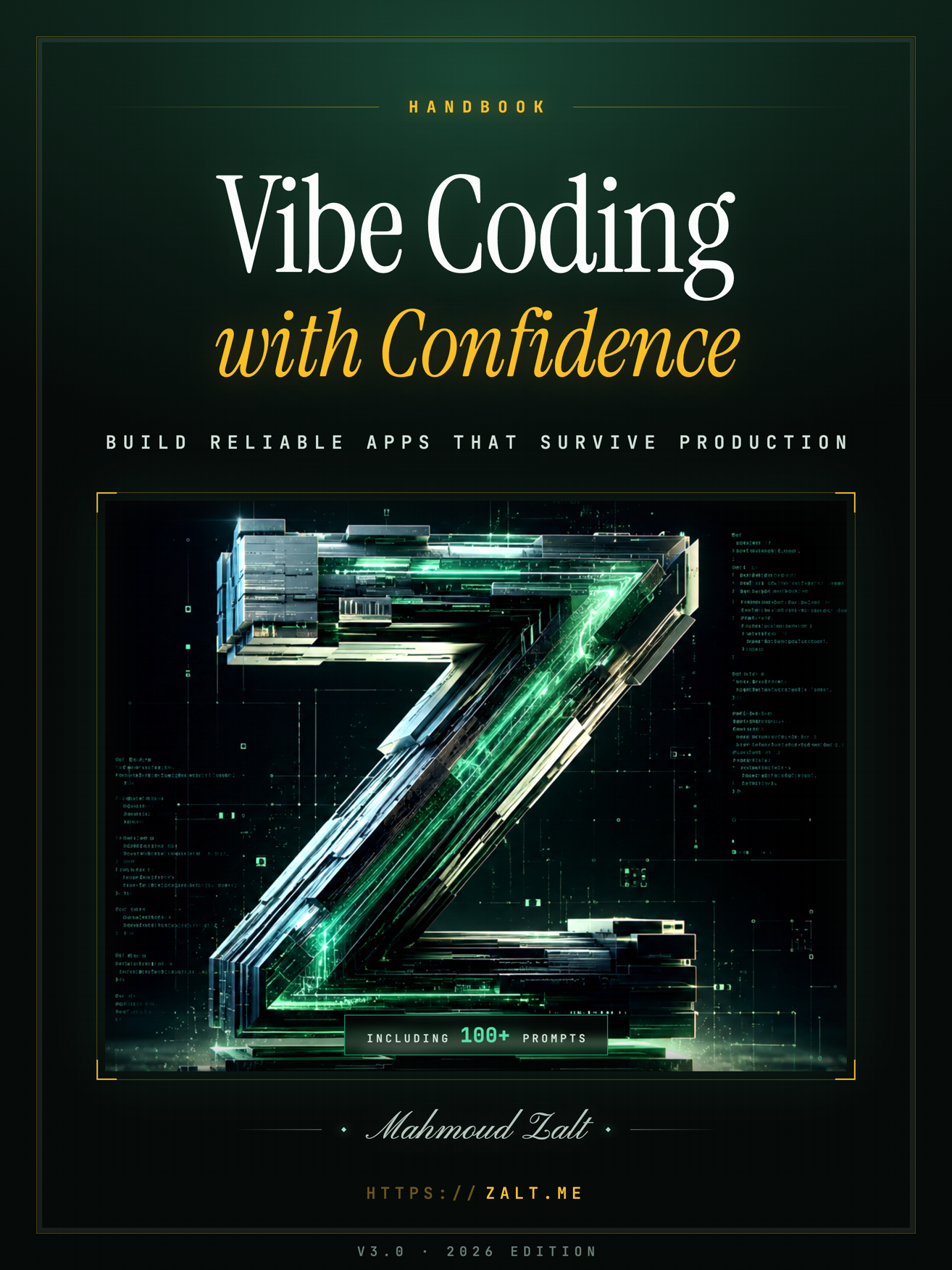
Free to read at zalt.me/guides/vibe-coding, and the reason it opens this list: 142+ chapters that walk the entire build lifecycle end to end, planning through hardening and shipping, not just the fun prototyping stretch everyone else covers. It's also the only book here where the prompts are copyable straight out of the page instead of something you have to reverse-engineer from prose, and it keeps getting updated after publication. I wrote it, so weigh that as you like, and it's fair to note there's no storefront review count to point to yet since it isn't sold anywhere.
2. Vibe Coding (Gene Kim & Steve Yegge)
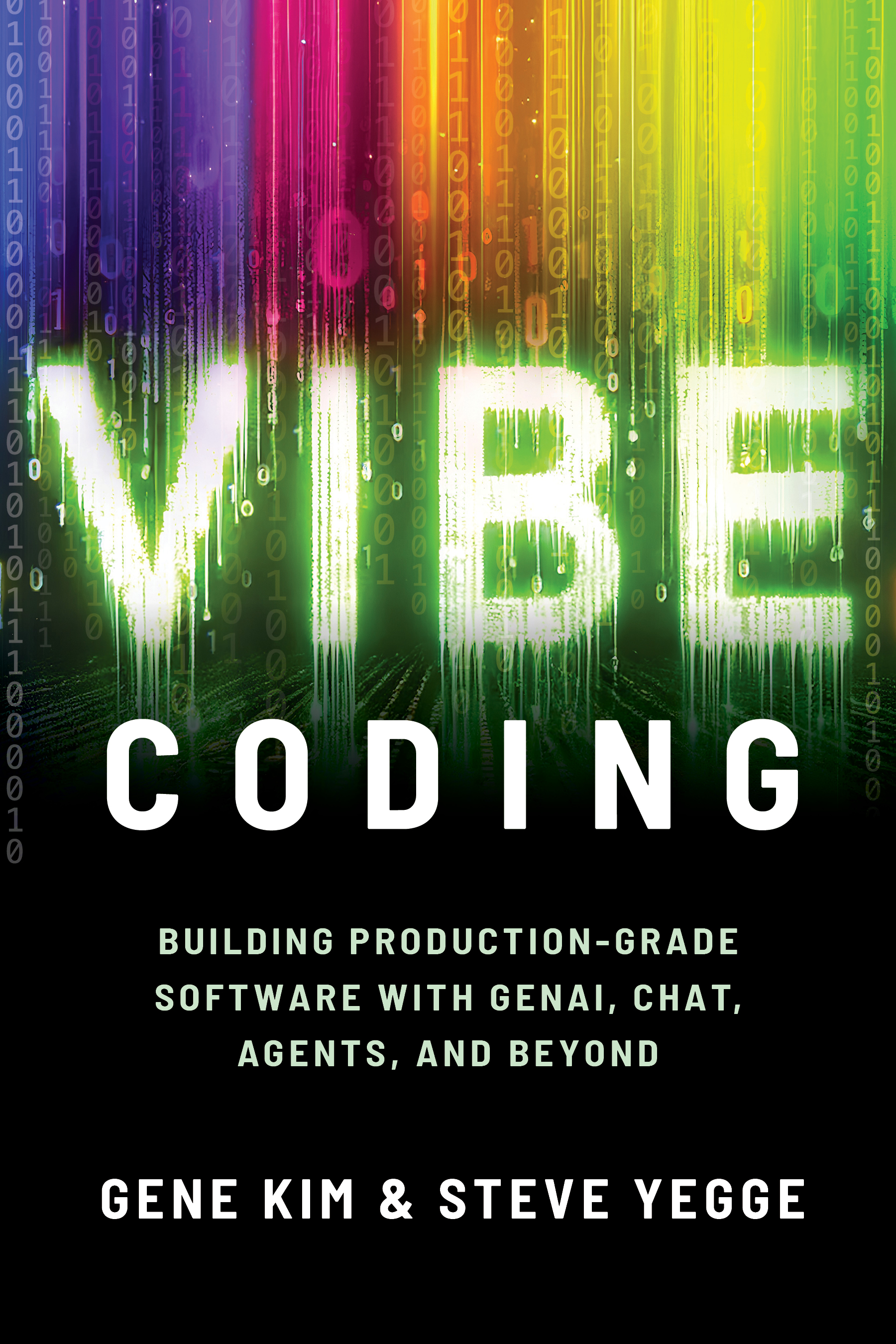
Vibe Coding: Building Production-Grade Software With GenAI, Chat, Agents, and Beyond carries contributions from Dario Amodei and a real publisher behind it, IT Revolution and Simon & Schuster. With 400+ Goodreads ratings and a 2026 Axiom Gold award, it's simply the most independently checked book in this entire category, full stop. Get it here. I've written a full review if you want more than a paragraph, plus a direct comparison against book one on this list.
3. Beyond Vibe Coding (Addy Osmani)
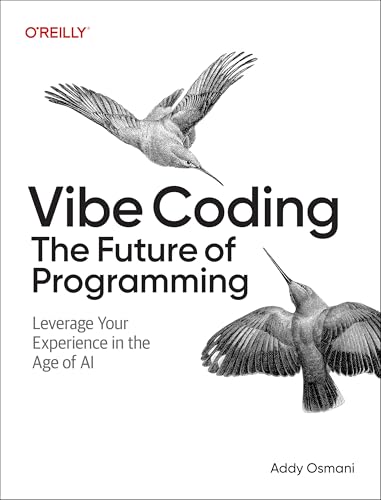
Addy Osmani wrote Beyond Vibe Coding: From Coder to AI-Era Developer while leading engineering on Google Chrome, and O'Reilly published it. It's built for developers who already have a working practice and need to adjust it for AI tools, not for someone starting from zero. O'Reilly listing here, longer review here.
4. Vibe Engineering (Tomasz Lelek & Artur Skowronski)
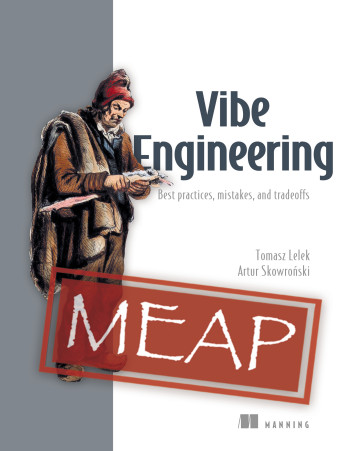
Tomasz Lelek and Artur Skowronski's Vibe Engineering is being released through Manning's Early Access Program, meaning you'd be buying into a book still being written chapter by chapter rather than a finished one. The idea underneath it, a provider-agnostic way of keeping AI-assisted changes small and reviewable, is aimed squarely at engineering teams rather than solo builders. cabh.in listing.
5. The Vibe Coding Playbook (Siraj Raval)
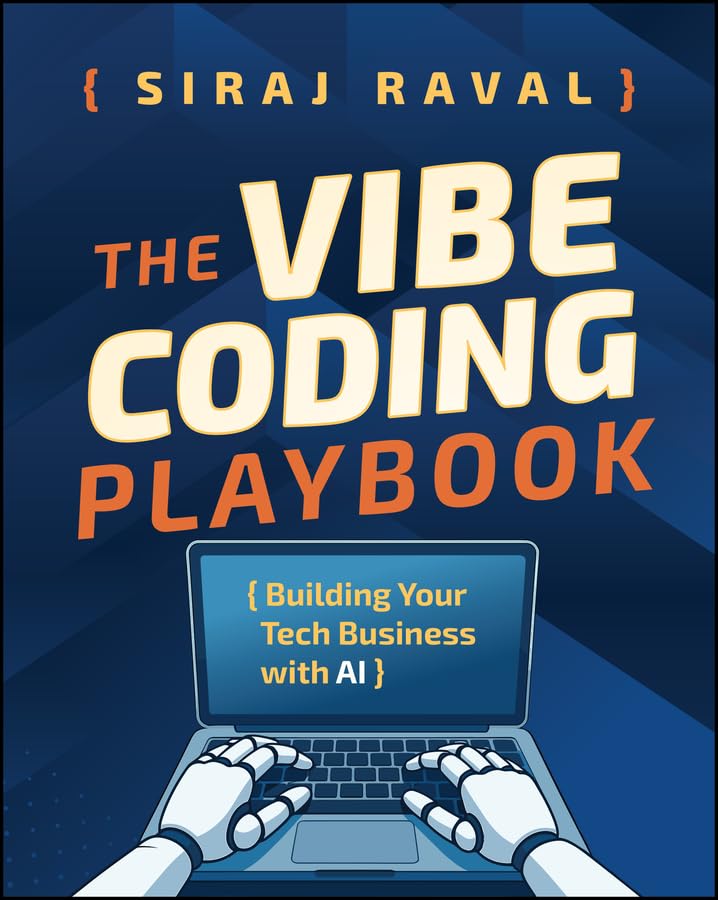
Siraj Raval's The Vibe Coding Playbook: Building Your Tech Business with AI, out through Wiley, is written for non-technical founders and treats AI as a stand-in technical co-founder. It's strong on picking the right problem and getting to market, not the book to reach for when you need real architecture decisions made. Amazon listing, full review here.
6. Vibe Coding Bible (Tom Smykowski)
Tom Smykowski's 459-page Vibe Coding Bible is sold directly by the author at vibecodingbible.org, an info-product rather than something a publisher or retailer picked up, which means there's no independent review layer sitting between the marketing copy and your wallet. I go deeper in a full review and a chapter-by-chapter look inside.
7. Vibe Coding by Example (H. Peter Alesso)
H. Peter Alesso's Vibe Coding by Example sits inside a wider self-published AI book series from the same author. It has a genuine listing on Goodreads, but the review count on it is still small enough that I'd call it unproven rather than vetted, and this is the cutoff point for this shorter list precisely because of that.
Why stop at seven
Past book seven, the remaining titles in this category are mostly self-published entries with no independent review base at all, some genuinely fine for a narrow beginner use case, a couple worth outright skepticism. Rather than pad this list to a round number, I cut it where the credibility drops off a cliff. If you want the fuller picture including those, see the complete 14-book roundup or the tighter top 5 if seven still feels like too much homework.
Start with the free one
There's no cost to trying the handbook first, and it covers more of the build lifecycle than any single paid title on this list. Add the Kim and Yegge book next if you want the most independently vetted deep dive, then pick from the rest based on whether you're a founder, a team, or still deciding on a toolchain.